Niger Revokes Gold Mining Concessions as Military Government Tightens Control Over Natural Resources

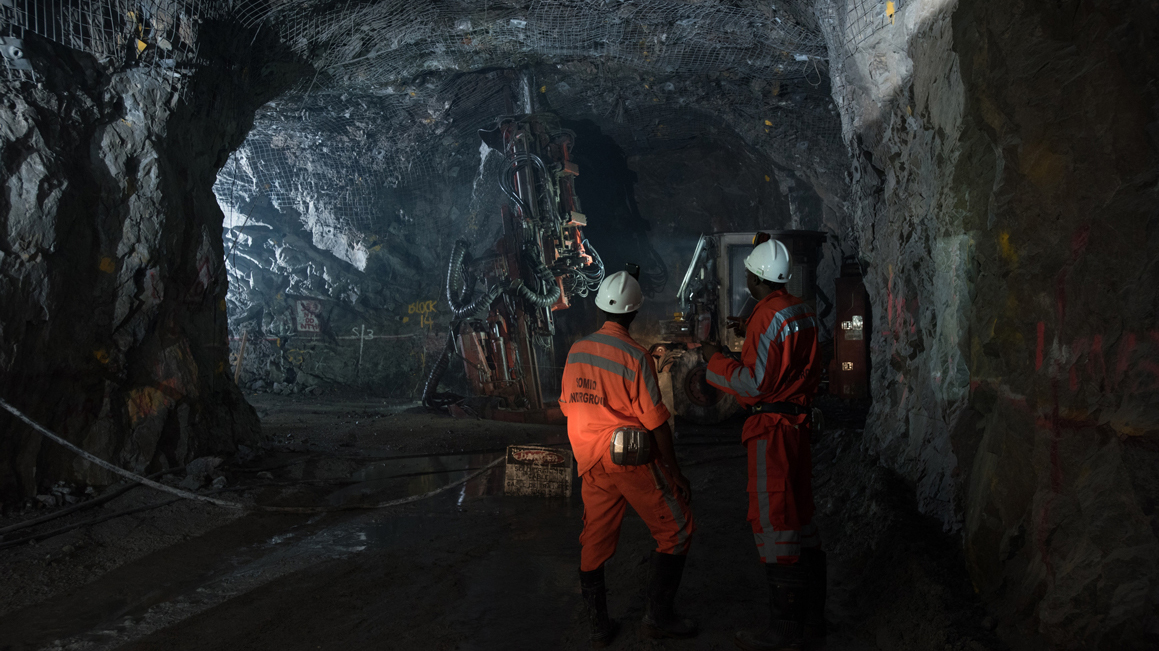
The military government of Niger has revoked several gold mining concessions as part of a broader effort to strengthen state control over the country’s natural resources and enforce compliance in the mining sector.
The decision affects licences granted between 2017 and 2020 to mining companies Comini, Afrior, and Ecomine, which authorities say failed to meet contractual obligations related to tax payments, reporting requirements, and environmental regulations.
The move reflects a significant shift in Niger’s economic strategy following the 2023 Niger coup d’état, as the country’s military leadership seeks to reshape how its mineral wealth is managed and distributed.

Government Cites Contract Violations
According to an official government statement, the affected companies failed to fulfil several obligations required under their mining agreements.
These include:
- Failure to submit annual technical and financial reports
- Non-payment of required taxes and royalties
- Non-compliance with environmental regulations governing mining operations
Authorities said revoking the licences was necessary to restore accountability and transparency in the mining industry.
Officials added that companies operating in Niger must comply fully with national regulations and align with the country’s economic development priorities.
Push for Greater Resource Sovereignty
The cancellation of the gold mining concessions forms part of a broader policy shift by Niger’s military authorities to increase state oversight and participation in strategic industries.
Government officials have argued that previous resource agreements allowed foreign companies to extract significant wealth while delivering limited economic benefits to local communities and the national treasury.
Niger is already one of the world’s leading uranium producers, with major deposits exploited for decades by companies including Orano.
In addition to uranium, the country also holds significant reserves of gold and oil, making the extractive sector a central pillar of its economy.
Oil Sector Also Under Scrutiny
The government’s resource review has extended beyond mining into the energy sector.
Authorities recently rejected a request by British energy firm Savannah Energy to extend its exploration and drilling licence in the country’s southeast.
The company was accused of failing to comply with the terms of an output-sharing agreement covering four oil blocks in the Agadem Rift Basin, an area considered vital to Niger’s emerging oil industry.
Officials said the decision aligns with broader efforts to ensure resource contracts support national economic interests and long-term development goals.
Regional Trend Toward Resource Nationalism
Niger’s policy direction mirrors a broader trend across parts of West Africa and the Sahel, where several governments have begun reviewing or renegotiating agreements with foreign mining and energy companies.
Supporters argue that such policies are necessary to correct historical imbalances in extractive industry contracts, ensuring greater national benefit from natural resources.
However, critics warn that abrupt licence cancellations and stronger nationalisation policies could create uncertainty for investors and delay new mining projects.
Balancing Resource Sovereignty and Investment
For Niger’s military leadership, tightening control over mining and oil concessions appears aimed at strengthening national revenues and economic sovereignty.
By enforcing stricter oversight of resource extraction agreements, authorities hope to ensure that the country’s gold, uranium, and oil wealth contributes more directly to national development.
The key challenge ahead will be balancing these ambitions with maintaining investor confidence in Niger’s mining and energy sectors, which remain crucial for the country’s long-term economic growth.
Share this content: