Africa’s Critical Minerals And Energy Resources Present Major Industrial Opportunity
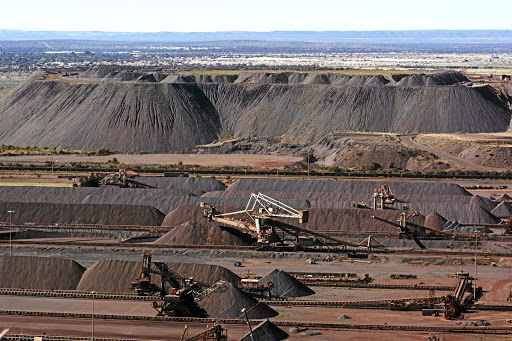
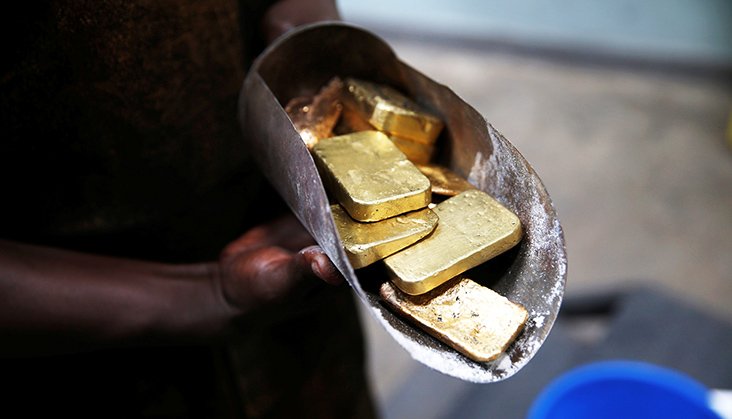
Africa’s vast reserves of critical minerals and energy resources are increasingly being viewed as one of the continent’s greatest economic opportunities, but analysts warn that success will depend on whether African countries can move beyond raw commodity exports into beneficiation, industrialisation and regional value chains.
As global demand for minerals linked to renewable energy, electric vehicles, battery manufacturing and digital infrastructure accelerates, Africa is emerging as a strategic supplier of the resources needed for the global energy transition. However, concerns remain that without stronger policies, infrastructure and investment frameworks, the continent could once again miss the opportunity to capture long-term industrial value from its natural resources.
According to industry researchers and energy analysts, the global debate is shifting away from fears of absolute mineral shortages toward concerns over supply chain concentration, processing capacity and geopolitical control of strategic resources.

The International Energy Agency has indicated that while critical minerals such as lithium, cobalt, copper, graphite, nickel and rare earth elements remain globally abundant, the biggest risks relate to the speed of investment, mine development timelines and refining bottlenecks. China currently dominates much of the world’s mineral processing and refining capacity, controlling between 50% and 90% of certain critical mineral value chains.
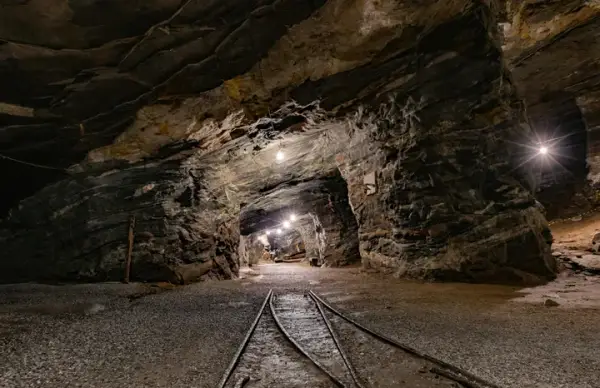
Africa holds some of the world’s largest reserves of critical minerals, including cobalt in the Democratic Republic of Congo, platinum group metals in South Africa and Zimbabwe, lithium across Southern Africa, manganese in South Africa and Gabon, and graphite in Mozambique and Tanzania. These minerals are essential for electric vehicles, renewable energy systems, semiconductors, hydrogen technologies and battery storage systems.
Despite this resource wealth, the continent continues to attract a relatively small share of global mining and processing investment compared to other major producing regions. Analysts point to infrastructure deficits, policy uncertainty, financing constraints, political instability and energy shortages as major barriers limiting Africa’s ability to move up the value chain.
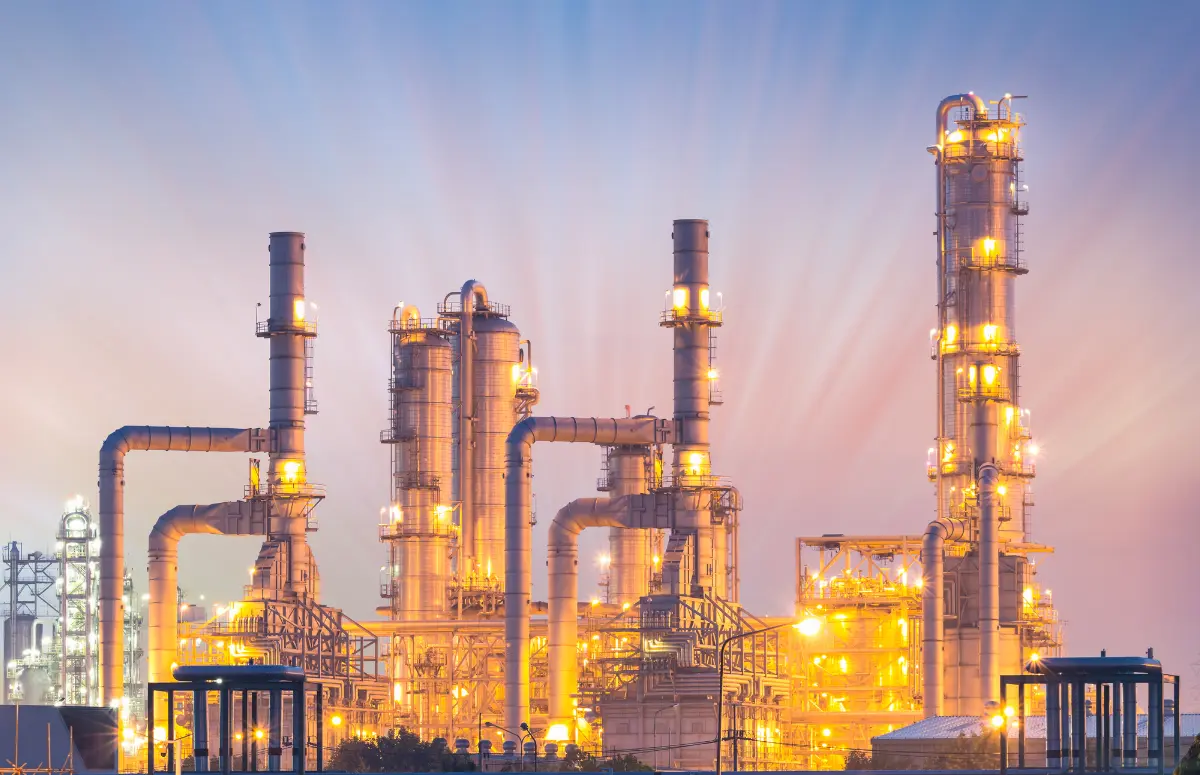
Industry experts argue that Africa’s opportunity lies not only in mining minerals, but in building integrated industrial ecosystems around processing, manufacturing and energy development.
Recent policy discussions across the continent have increasingly focused on beneficiation and value addition. South Africa’s Critical Minerals Strategy, for example, emphasises the need to expand downstream processing, local manufacturing, research and industrial capacity linked to strategic minerals.
At the Africa Energy Indaba 2026 in Cape Town, South African Electricity and Energy Minister Kgosientsho Ramokgopa stressed that minerals alone would not guarantee industrialisation without parallel investment in electricity generation, transmission infrastructure and manufacturing capability.
He argued that battery manufacturing, green hydrogen production and mineral processing all depend on stable and affordable energy systems capable of supporting industrial-scale operations.
Across the continent, governments are increasingly trying to secure greater economic benefits from mining through local refining initiatives, industrial parks and regional mineral strategies.
Countries such as the Democratic Republic of Congo, Zambia, Zimbabwe and Namibia are positioning themselves to benefit from growing global demand for battery minerals and green industrial inputs. However, experts caution that Africa risks remaining a supplier of raw materials unless governments strengthen regional coordination and industrial policy implementation.
The African Continental Free Trade Area is also being viewed as a critical mechanism for building regional mineral value chains. Analysts argue that no single African country may be able to independently establish globally competitive battery or clean-energy manufacturing industries, but regional integration could help combine mineral resources, industrial capacity, logistics networks and energy infrastructure.
At the same time, geopolitical competition over Africa’s minerals is intensifying as major global powers seek to secure long-term access to strategic supply chains. China remains a dominant investor in African mining projects and refining infrastructure, particularly in countries such as the Democratic Republic of Congo, Zambia and Zimbabwe. Western economies are also increasing efforts to strengthen partnerships with African mineral producers as concerns over supply chain security grow.
However, the rapid expansion of critical mineral extraction also raises environmental and social concerns. Researchers have warned that poorly managed mining expansion could increase pollution, water scarcity, biodiversity loss and displacement of communities, particularly in ecologically sensitive regions.
Environmental groups and development agencies are calling for stronger governance frameworks, responsible mining standards and more equitable benefit-sharing arrangements to ensure local communities benefit from resource extraction.
The continent’s ability to capitalise on the critical minerals boom will therefore depend on balancing investment attraction with sustainable development, infrastructure expansion and industrial diversification.
Analysts say Africa’s long-term opportunity lies not only in supplying the raw materials needed for the global energy transition, but in using those resources to drive industrialisation, manufacturing growth, job creation and energy development within the continent itself.
Share this content: