Zimbabwe Tightens Scrutiny on Chinese Lithium Mining Operations
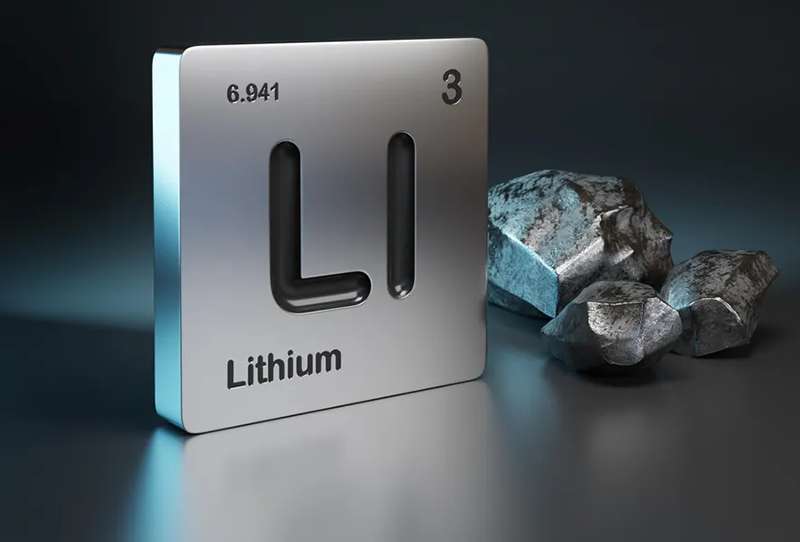
Zimbabwe is intensifying oversight of Chinese-owned lithium mining operations as concerns grow over environmental damage, labour rights violations and allegations of illegal mineral exports.
The increased scrutiny comes as the Southern African nation seeks to maximise benefits from its vast lithium resources while strengthening regulation of one of its fastest-growing mining sectors.
Lithium Becomes Strategic Resource for Zimbabwe

Zimbabwe possesses the largest lithium reserves in Africa and ranks among the world’s top lithium resource holders, making the mineral a critical component of the country’s mining sector.
Driven by rising global demand for electric vehicle batteries and energy storage technologies, lithium has become one of Zimbabwe’s most strategically important mineral exports.
Mining contributes approximately 14.5 percent of Zimbabwe’s gross domestic product and accounts for nearly 75 percent of export earnings, highlighting the sector’s importance to the national economy.
According to industry figures, Zimbabwe exported more than 1.1 million metric tonnes of lithium-bearing spodumene concentrate to China in 2025, representing an increase from the previous year.
Government Moves to Curb Raw Mineral Exports
Zimbabwean authorities have recently taken steps to tighten control over lithium exports as part of broader efforts to promote domestic value addition.
In February, the government announced the immediate suspension of lithium concentrate exports, accelerating plans that were originally scheduled to take effect later.
The move forms part of a wider strategy aimed at encouraging local processing and beneficiation of lithium before export.
Officials believe greater domestic processing capacity could increase export earnings, create jobs and position Zimbabwe more competitively within the global battery minerals value chain.
The government’s concerns intensified following reports that stockpiles of Zimbabwean lithium ore were discovered at the Port of Beira in Mozambique, triggering investigations into possible violations of export regulations.
Authorities have repeatedly emphasised that Zimbabwe’s long-term objective is to export higher-value lithium products rather than unprocessed raw materials.
Environmental Concerns Draw Attention
Environmental organisations and civil society groups have raised concerns about the impact of some lithium mining operations on local communities and ecosystems.
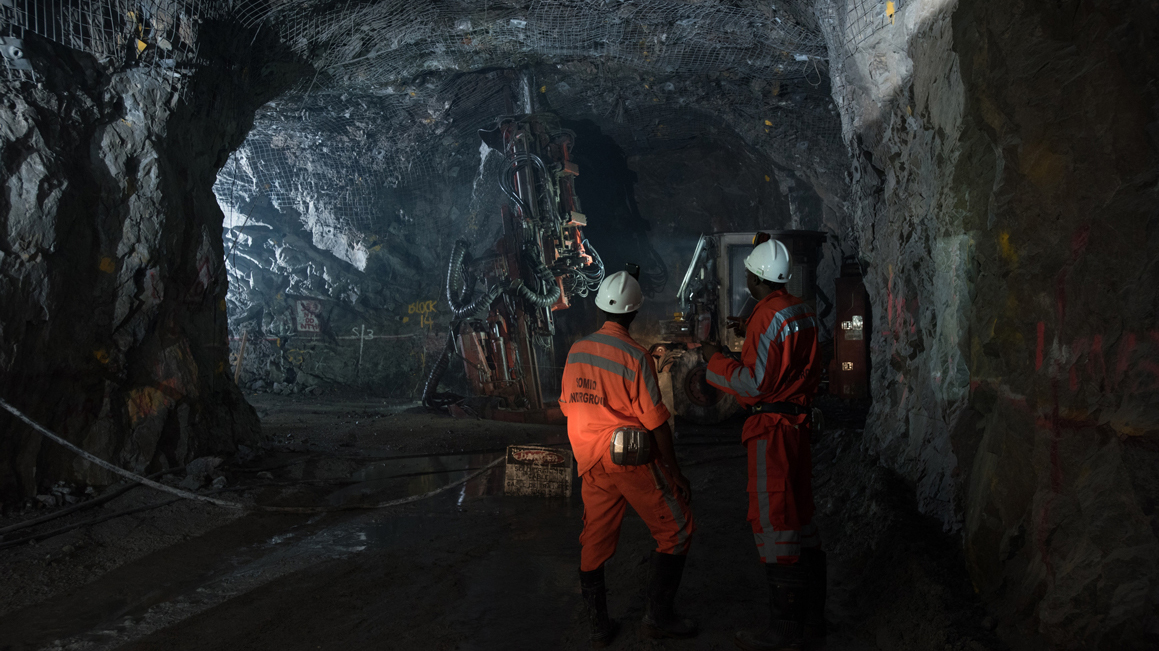
Communities located near mining sites have reported challenges including water contamination, groundwater depletion, dust pollution and land degradation associated with mining activities.
Environmental advocates argue that stronger monitoring and enforcement mechanisms are needed to ensure mining projects operate responsibly while protecting local livelihoods and natural resources.
As lithium demand continues to grow globally, environmental management has become an increasingly important issue for governments seeking to balance economic development with sustainability.
Labour Rights and Worker Welfare Under Spotlight
Labour organisations have also voiced concerns regarding working conditions at certain mining operations.
The Zimbabwe Congress of Trade Unions (ZCTU) has previously called for stronger enforcement of labour regulations and greater protection for mine workers.
Worker advocacy groups have highlighted concerns related to workplace safety, wages, working hours and employee welfare within parts of the mining sector.
Labour representatives argue that foreign investment should be accompanied by adherence to national labour laws and internationally recognised workplace standards.
The debate has intensified amid reports of workplace accidents and allegations of worker mistreatment at some operations.
Calls for Greater Accountability
Civil society organisations are increasingly calling for improved transparency, stronger governance and enhanced accountability within Zimbabwe’s mining sector.
Advocates argue that mining investments should generate broader economic benefits for local communities through employment, infrastructure development, environmental protection and revenue generation.
They also stress the importance of ensuring that mining companies operate within legal and regulatory frameworks while respecting community rights.
The issue has become particularly significant as Zimbabwe seeks to attract foreign investment while maintaining public confidence in the management of its natural resources.
Chinese Investment Remains Significant
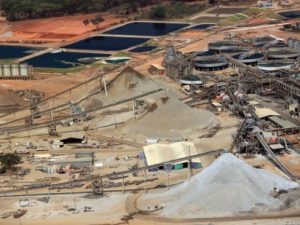
Chinese companies continue to play a major role in Zimbabwe’s mining industry, particularly in lithium extraction and processing projects.
Over the past decade, Chinese investment has contributed significantly to the development of Zimbabwe’s mining infrastructure and expansion of mineral production capacity.
The partnerships have helped accelerate growth in the lithium sector, supporting Zimbabwe’s ambitions to become a major global supplier of battery minerals.
However, the growing importance of lithium has also increased expectations regarding environmental stewardship, labour compliance and value addition.
Push for Beneficiation and Industrial Development
Zimbabwe’s latest policy measures reflect a broader trend among resource-rich African countries seeking to capture more value from mineral production.
Rather than exporting raw materials, governments are increasingly encouraging local processing, refining and manufacturing activities.
In Zimbabwe’s case, policymakers view lithium beneficiation as a key opportunity to diversify the economy, strengthen industrial development and create higher-skilled employment opportunities.
The transition is expected to require significant investment in processing infrastructure, energy supply and technical expertise.
Outlook for Zimbabwe’s Lithium Industry
Despite ongoing challenges, Zimbabwe’s lithium sector remains one of Africa’s most promising mining industries.
Global demand for battery minerals is expected to remain strong as countries accelerate the transition to renewable energy and electric mobility technologies.
The government’s efforts to strengthen regulation, promote local processing and address environmental and labour concerns are likely to play an important role in shaping the sector’s future.
Industry observers believe that balancing investor confidence with stronger governance will be critical to ensuring that Zimbabwe’s lithium resources deliver sustainable long-term economic benefits.
Conclusion
Zimbabwe’s decision to intensify scrutiny of Chinese-owned lithium mining operations signals a new phase in the management of one of the country’s most valuable natural resources.
As authorities push for greater accountability, local beneficiation and improved compliance standards, the lithium sector is likely to remain at the centre of Zimbabwe’s economic development strategy.
The outcome of these reforms could determine how effectively the country converts its vast lithium reserves into long-term growth, employment opportunities and industrial development.
Share this content: