Ghana’s Tarkwa Mine Lease Talks Signal a New Era for African Mining Investment
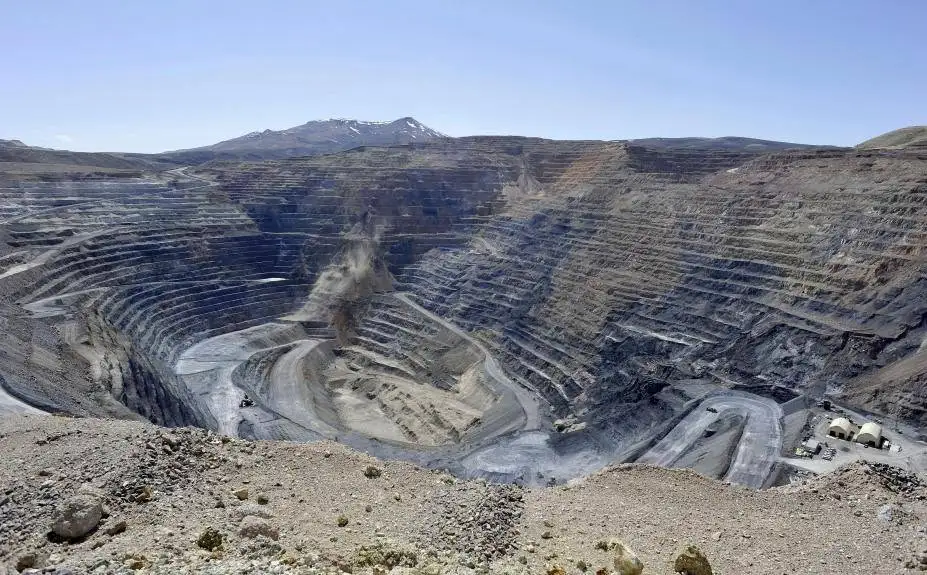
Negotiations over the renewal of Gold Fields’ lease at Ghana’s Tarkwa mine are emerging as a defining test of Africa’s evolving approach to resource governance, local value creation and mining investment.
The ongoing discussions surrounding the renewal of Gold Fields’ mining lease at the Tarkwa gold mine have become more than a contractual matter. They represent a broader shift in how African governments are redefining relationships with international mining companies as demand for strategic minerals continues to grow.
Across the continent, governments are increasingly seeking greater economic returns from their natural resources through stronger local participation, increased investment commitments and expanded value addition, while maintaining an investment climate capable of attracting long-term capital.

Africa’s Mining Model Is Changing
For decades, mining investment across Africa followed a familiar model: governments granted mining rights, companies invested in exploration and production, and states benefited through taxes, royalties, employment and export earnings.
Today, that model is evolving.
Rising global demand for critical minerals, supply chain diversification and the energy transition have strengthened Africa’s bargaining position, prompting governments to negotiate more favourable terms that deliver broader economic benefits beyond mineral extraction.
Many policymakers argue that Africa should capture a greater share of the value generated from its mineral wealth through local processing, procurement, skills development and domestic ownership.
Tarkwa Negotiations Reflect New Priorities
The Tarkwa lease renewal has become a key example of this changing policy direction.
Ghanaian authorities have indicated that any extension of Gold Fields’ mining lease must generate greater economic value for the country, including stronger local content commitments and increased domestic participation.
While government officials have not publicly outlined specific conditions for renewal, the negotiations are widely viewed as part of a broader effort to align mining investment with Ghana’s long-term industrial and economic development objectives.
Rather than focusing solely on royalties and taxes, governments are increasingly seeking investment that supports local supply chains, technology transfer and employment creation.
Damang Decision Raised Investor Questions
Investor attention has intensified following the government’s decision not to renew the lease for the nearby Damang mine.
The concession was subsequently awarded to Ghanaian mining company Engineers & Planners after the government concluded that the company had demonstrated the financial capacity and technical capability to develop the asset.
Although authorities described the process as competitive, the decision generated debate within the mining industry over policy consistency and concession allocation, reinforcing the importance of transparent regulatory frameworks.
However, analysts note that Damang and Tarkwa present different circumstances.
Unlike Damang, where investment had slowed in recent years, Tarkwa remains one of Gold Fields’ most productive operations and continues to receive long-term investment commitments.
Balancing Resource Nationalism and Investor Confidence
The outcome of the Tarkwa negotiations is expected to influence perceptions of Ghana’s mining investment environment across international markets.
As African governments pursue greater resource sovereignty, they also face the challenge of maintaining regulatory certainty for investors making long-term capital commitments.
Mining companies increasingly evaluate not only the quality of mineral deposits but also the predictability of licensing frameworks, contract enforcement and investment policies.
Industry experts argue that successful resource governance requires balancing national development objectives with transparent, stable and competitive investment conditions.
Implications for Africa’s Mining Future
The Tarkwa negotiations reflect a broader trend across Africa, where governments are seeking to maximise the developmental impact of mining through local value addition, industrialisation and stronger domestic participation.
As demand for gold and critical minerals continues to expand, the continent’s ability to negotiate investment frameworks that benefit both governments and private investors will shape the future competitiveness of Africa’s mining sector.
For Ghana, the outcome of the Tarkwa lease renewal will be closely watched by investors, policymakers and mining companies alike, serving as an important indicator of how Africa’s new mining bargain is taking shape in an increasingly strategic global minerals market.
Share this content: