African Mining Unions Unite to Strengthen Workers’ Rights Across the Continent
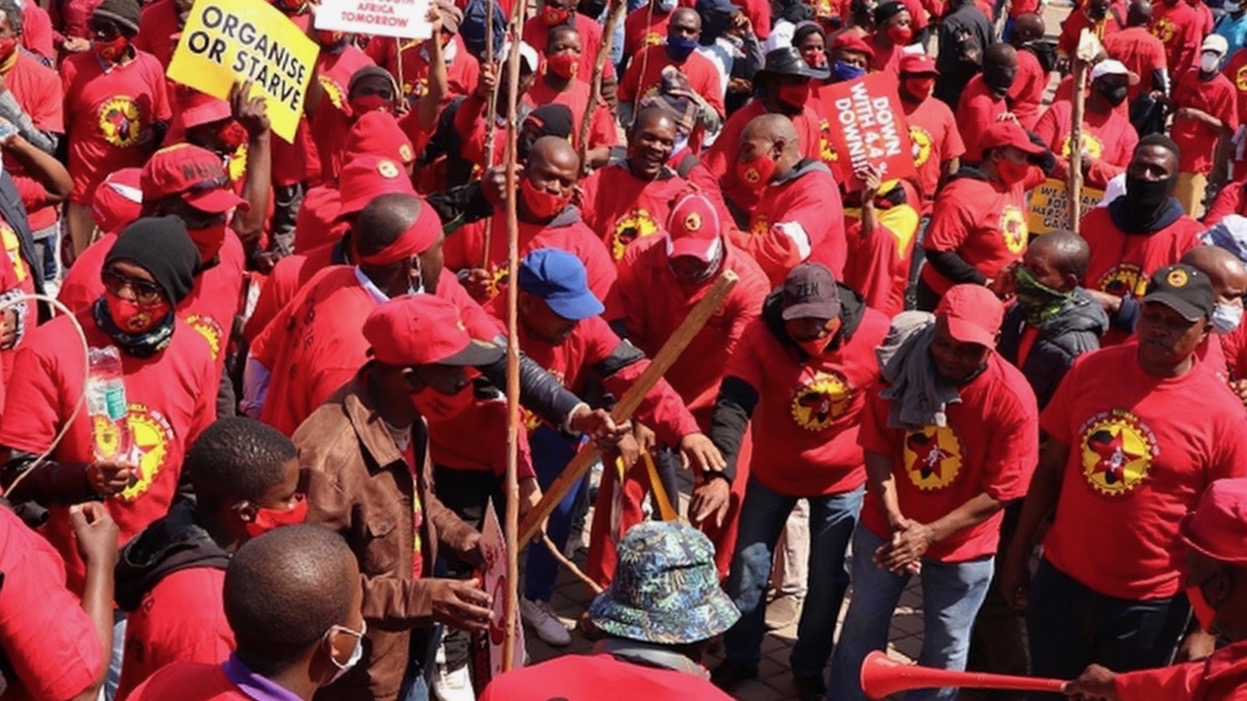
The African mining sector has taken a significant step towards stronger regional labour representation following the launch of the African Mining Network (AMNet), a new alliance designed to promote workers’ rights, improve mine safety, and strengthen collective bargaining across the continent.
The network was officially established after more than 50 delegates representing mining unions from 12 African countries met virtually on 27 July to create a coordinated platform capable of addressing the challenges facing mine workers in an increasingly globalised industry.
Unlike mining companies that operate seamlessly across national borders, labour unions have traditionally worked independently within their own countries. AMNet seeks to bridge that gap by creating a unified voice for African mine workers and encouraging cross-border collaboration.

Building Stronger Regional Representation
AMNet has identified several priorities that will guide its work, including improving occupational health and safety, defending workers against insecure employment, strengthening collective bargaining, promoting living wages, and supporting a just transition as the global mining industry shifts toward cleaner energy technologies.
The organisation also plans to tackle issues such as subcontracting, casual employment, labour broking and the exploitation of migrant workers, while encouraging stronger union cooperation across multinational mining companies operating in Africa.
Beyond labour representation, the network intends to engage governments, the African Union, regional economic communities and international financial institutions to influence mining policy and advocate for fairer labour practices.
Critical Minerals Create New Opportunities and Challenges
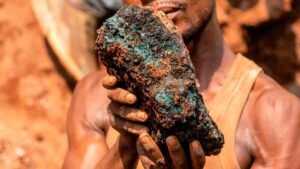
The growing global demand for minerals required in renewable energy technologies has placed Africa at the centre of the energy transition. Countries such as the Democratic Republic of Congo and Zambia dominate global cobalt production, while South Africa, Zimbabwe, Namibia, Botswana and Ghana remain major producers of platinum, lithium, diamonds and gold.
Guinea’s Simandou project is also expected to become one of the world’s largest high-grade iron ore developments.
However, union representatives argue that despite Africa supplying many of the world’s strategic minerals, much of the value continues to be captured elsewhere as raw materials are exported with limited local processing or manufacturing.
The delegates stressed that faster mineral extraction without sufficient investment in beneficiation, industrialisation and local job creation risks limiting the continent’s long-term economic benefits.
Improving Mine Safety and Working Conditions
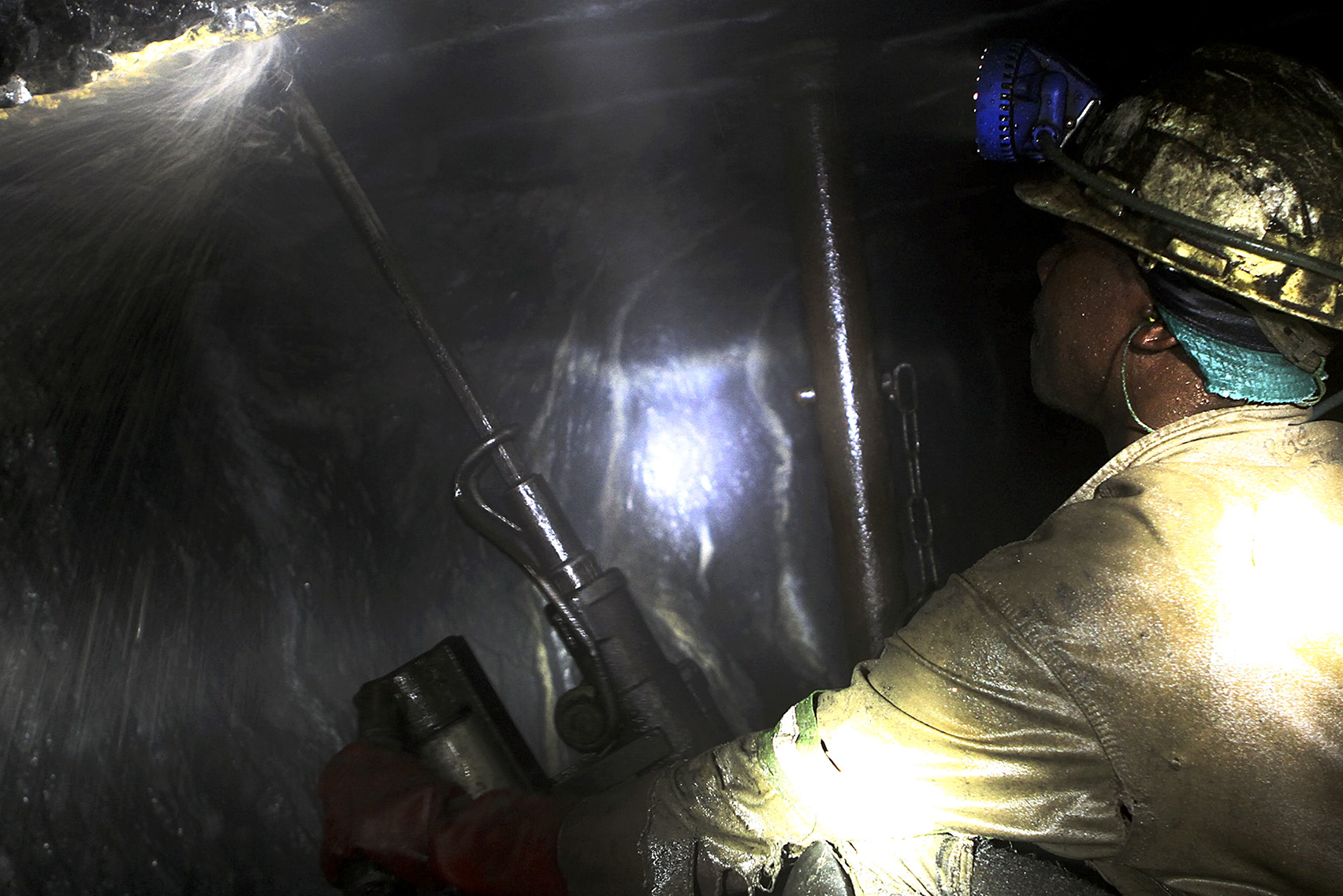
Health and safety remain among the network’s highest priorities. Delegates highlighted persistent fatalities, occupational diseases and workplace injuries in many mining operations, particularly where enforcement of safety regulations remains weak.
The uneven implementation of the International Labour Organization’s Safety and Health in Mines Convention (C176) continues to expose workers to unnecessary risks in several African mining jurisdictions.
Participants also raised concerns over increasing informal employment, subcontracting and labour casualisation, which have weakened traditional employment structures and reduced workers’ bargaining power across the industry.
Holding Global Mining Companies Accountable
A key objective of AMNet will be improving corporate accountability throughout international mineral supply chains.
The network plans to use research, policy advocacy and coordinated campaigns to ensure multinational mining companies comply with labour standards and human rights obligations.
One of its first initiatives will focus on the platinum supply chain, linking operations in Zimbabwe and South Africa with automotive manufacturers in Europe. Union leaders intend to use international human rights due diligence frameworks to address labour concerns where violations are identified.
The network will also examine conditions within the global diamond industry during a planned meeting in Botswana, bringing together mining unions and major diamond producers to discuss employment, market volatility and worker protections.
A Unified Voice for Africa’s Mining Workforce
AMNet’s proposed leadership structure includes co-chairs, a secretary, regional representatives for Francophone and North Africa, as well as dedicated representation for women and youth within the mining sector.
Delegates agreed that the organisation should focus on practical, results-driven campaigns capable of delivering measurable improvements for workers rather than attempting to address every issue simultaneously.
Mining union leaders believe that by working together across borders, African workers will be better positioned to negotiate with multinational mining companies, influence policy development and ensure that the continent’s vast mineral wealth generates broader economic and social benefits.
As Africa continues to supply the critical minerals driving the global energy transition, AMNet aims to ensure that worker welfare, safe working conditions and equitable value creation become central pillars of the continent’s mining future.
Share this content: