Gold Mine Control Continues to Fuel Terrorism Across the Sahel
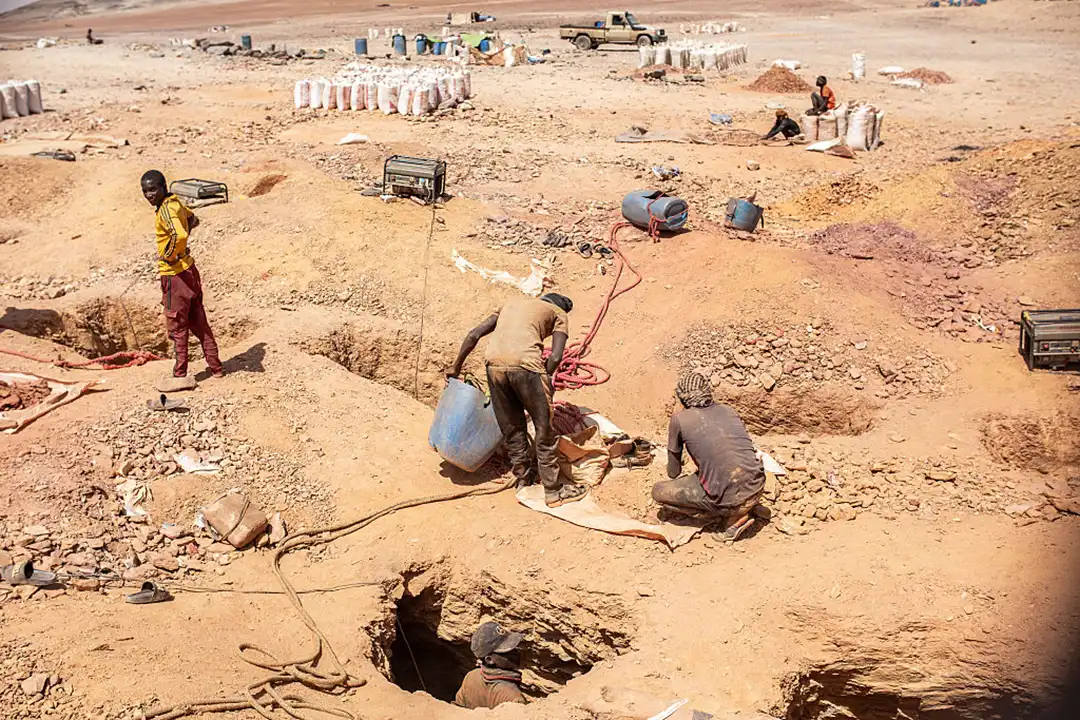
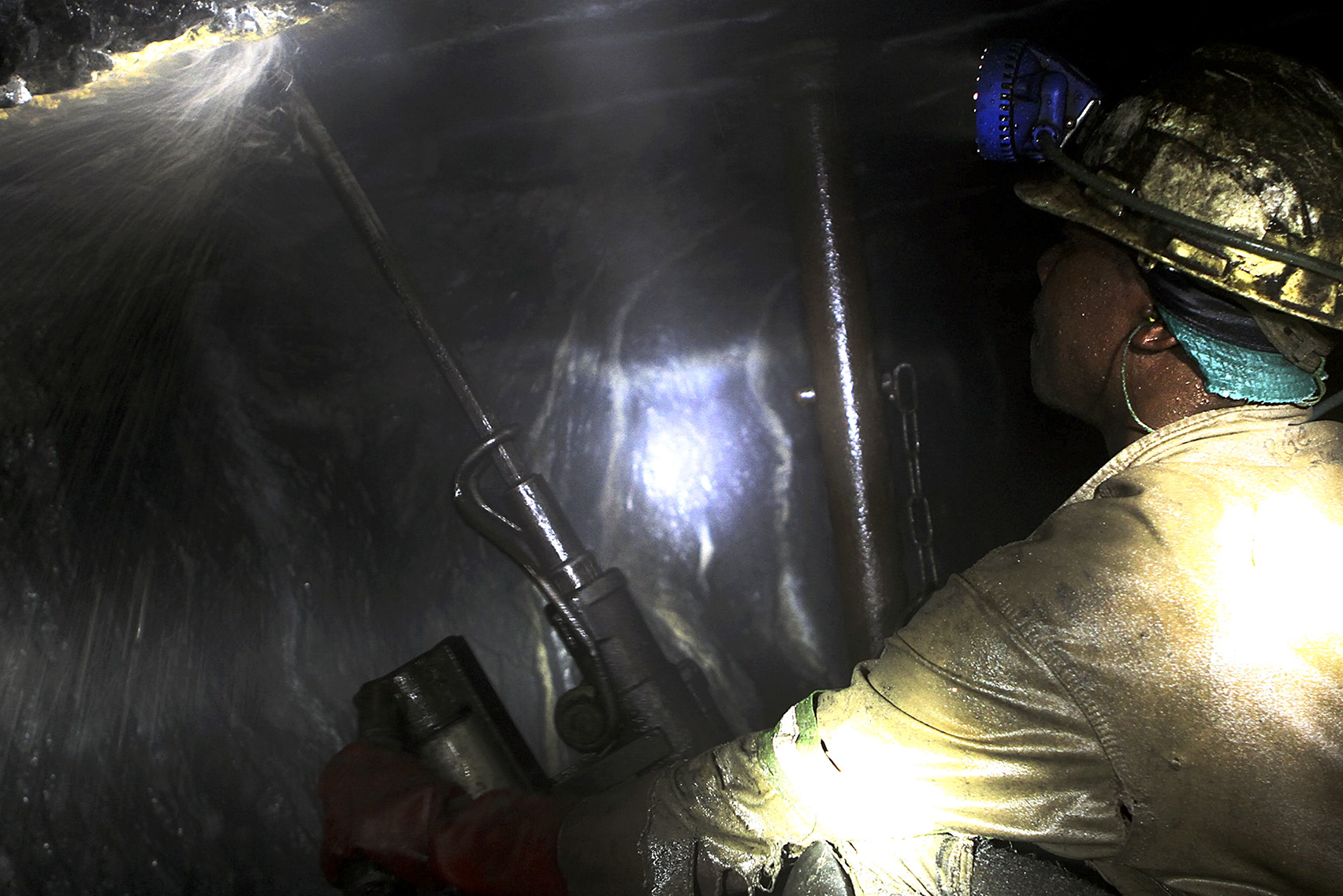
Gold miners work at an artisanal site near Kidal in northern Mali on May 15, 2026. AFP/GETTY IMAGES
The growing battle for control of gold mining areas is becoming a major driver of insecurity across the Sahel, with extremist groups increasingly targeting mining communities, transport routes and commercial hubs to finance their operations and expand their territorial influence.
A recent report by conflict monitoring organisation ACLED reveals that armed groups linked to al-Qaeda and the Islamic State are intensifying attacks within a 10-kilometre radius of gold mines, highlighting the strategic importance of mining regions in sustaining militant activities.

Among these groups, Jama’at Nusrat al-Islam wal-Muslimin (JNIM), an al-Qaeda-affiliated coalition, has emerged as the dominant force operating around gold-producing areas. The group competes with the Islamic State Sahel Province (ISSP), regional governments in Burkina Faso, Mali and Niger, and their security partners for influence over lucrative mining territories.
According to Héni Nsaibia, Senior West Africa Analyst at ACLED, mining areas have evolved into strategic assets that extend far beyond mineral extraction.
As militant groups expand into new territories, violence increasingly spreads from mining sites to surrounding communities, transport corridors and commercial centres, creating wider instability while strengthening extremist control over local economies.
Burkina Faso Remains the Epicentre
The report shows that Burkina Faso continues to record the highest number of mining-related violent incidents in the central Sahel, accounting for approximately 75% of all recorded incidents between January 2015 and June 2026. Mali represented 15%, while Niger accounted for 10% during the same period.
However, the geographical spread of attacks is changing. By 2025, Burkina Faso’s share had declined to 54%, while Mali and Niger recorded increasing proportions of mining-related violence, indicating that conflict is expanding across the region rather than diminishing.
The report attributes Burkina Faso’s vulnerability partly to the government’s limited territorial control, allowing extremist groups greater freedom to establish influence around artisanal mining communities.
Gold Becomes a Source of Terror Financing
Rather than simply seizing mining operations, extremist groups often impose taxes on artisanal miners, demanding payment in gold instead of cash.
According to Lucia Bird Ruiz-Benitez de Lugo, Director of the West Africa Observatory at the Global Initiative Against Transnational Organized Crime, raids on militant bases have uncovered substantial quantities of gold being stored by armed groups.
The precious metal serves as a portable store of wealth that can later be exchanged for weapons, supplies, transport and other operational requirements.
Rising global gold prices have further increased the value of artisanal mining sites, creating stronger incentives for armed groups to compete for control over mining communities and supply chains.
Mining Areas Offer Strategic Advantages
The report notes that mining regions provide far more than financial resources.
Artisanal mining sites concentrate workers, traders, transport networks, equipment and commercial activity, making them valuable operational hubs for militant organisations.
In several areas, JNIM has reportedly transformed artisanal mining sites into semi-permanent operational bases where fighters blend into civilian populations, store weapons and equipment, recruit new members and coordinate attacks while reducing the risk of detection.
Mining operations also provide access to commercially available explosives, fuel, chemicals, detonators and motorcycle parts that can be repurposed for militant activities.
Threat Expands Towards Coastal West Africa
Security analysts warn that the conflict is unlikely to remain confined to the central Sahel.
JNIM continues expanding towards the borders of Senegal, Guinea, Côte d’Ivoire and Ghana, raising concerns that mining-related violence could spread into coastal West African countries.
The report also highlights the growing presence of JNIM and ISSP in northwestern and north-central Nigeria, where local mining economies could become new targets for extortion, taxation and recruitment.
As competition for Africa’s mineral wealth intensifies and global gold prices remain elevated, security experts warn that protecting mining communities and strengthening governance around artisanal mining will be critical to preventing extremist groups from further exploiting one of the region’s most valuable natural resources.
Share this content: