Ghana Pushes for Local Processing As Raw Commodity Exports Face Growing Scrutiny

Ghana is stepping up efforts to reduce its dependence on raw commodity exports, with the government seeking to attract investment into local processing, manufacturing and other value-added industries.
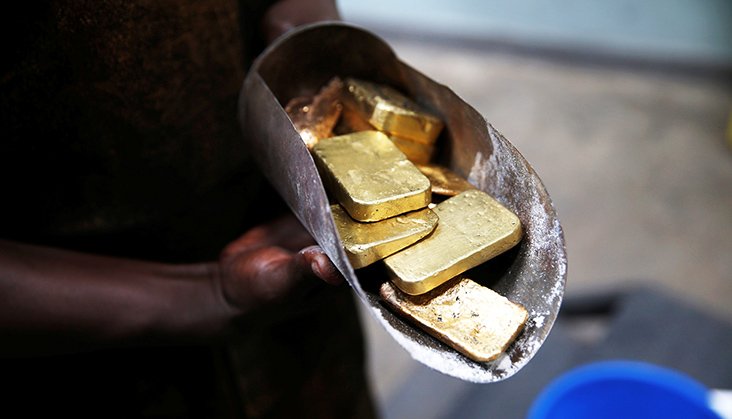
The strategy could reshape Ghana’s trade in some of its most important commodities, particularly gold and cocoa, as the country seeks to retain a greater share of the economic value generated from its natural resources.
Ghana’s Foreign Minister, Samuel Okudzeto Ablakwa, outlined the government’s ambitions during a meeting with Russian Foreign Minister Sergey Lavrov in Moscow. Discussions covered trade, investment, education and broader economic cooperation between Ghana and Russia.

Ablakwa said Ghana was already seeing greater diversity in trade with Russia, including increased strategic investment and support for adding value to primary commodities.
The government’s wider objective is to move Ghana away from an economy heavily dependent on exporting unprocessed resources. President John Mahama has set a target of reducing the export of raw materials by 2030 while promoting industrialisation, job creation and domestic value addition.
Ghana’s Push for Value Addition
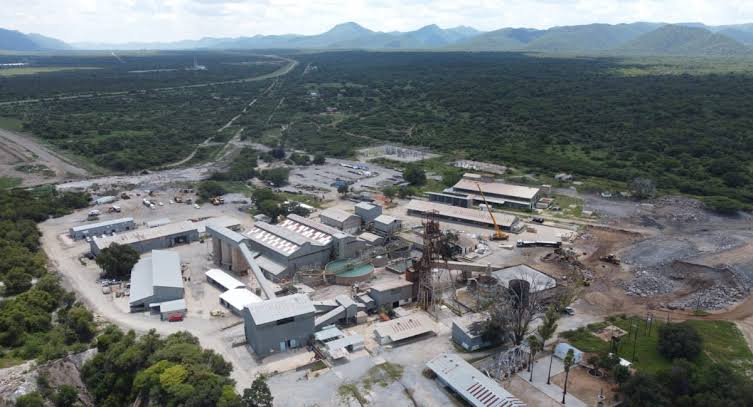
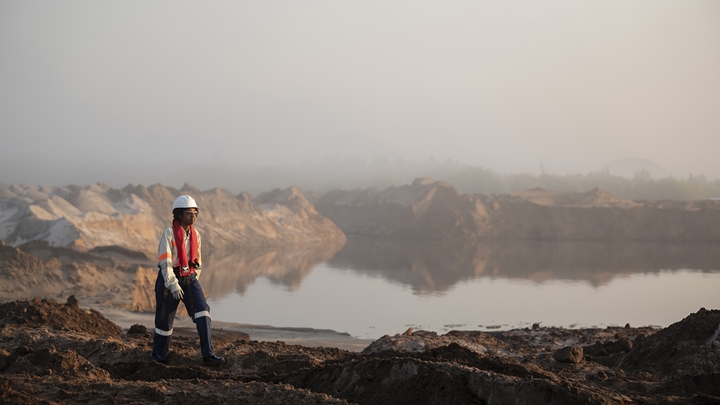
Ghana is one of Africa’s leading gold producers and has historically relied heavily on gold and other commodities to generate export revenues. However, the government increasingly wants more processing and manufacturing activities to take place domestically.
The approach reflects a growing trend across Africa, where resource-rich countries are introducing export restrictions, processing requirements and incentives designed to encourage companies to establish local industries.
Several countries have already taken steps in this direction. Zambia recently moved to restrict exports of unrefined copper, while Zimbabwe has tightened controls on lithium concentrate exports. Guinea has also announced measures requiring gold to undergo domestic processing before it can be exported.
These policies reflect a broader effort to move African economies higher up global value chains rather than remaining suppliers of raw materials.
Gold And Cocoa in the Spotlight
For Ghana, the challenge is particularly significant because gold and cocoa remain central to the country’s export economy.
Rather than simply exporting commodities in their primary form, the government wants greater investment in refining, manufacturing and downstream industries. This could create additional employment, strengthen local businesses and increase the economic returns generated from Ghanaian resources.
The same approach is relevant to cocoa, where processing beans into cocoa butter, powder, chocolate and other finished products can generate significantly more value than exporting raw beans alone.
Ghana’s strategy also aligns with broader African efforts to strengthen domestic industrial capacity and reduce dependence on foreign processing facilities.
Ghana Seeks More Strategic Investment
The government believes international partnerships can play an important role in achieving its industrialisation goals. Discussions with Russia are therefore being positioned not only around commodity trade, but also around investment and technology that can support local value addition.
Ablakwa said Ghana was already seeing more strategic investment and described support for adding value to primary commodities as part of the country’s evolving trade relationship with Russia.
The shift could also encourage international companies to invest directly in Ghanaian processing facilities, manufacturing operations and supporting infrastructure.
If successfully implemented, Ghana’s value-addition strategy could mark an important change in how the country approaches its mineral and agricultural wealth. Rather than focusing primarily on increasing raw commodity exports, the government is seeking to build industries around those resources and capture more value before products reach international markets.
The policy forms part of a wider African movement towards local processing, industrialisation and value addition, as governments seek to turn natural resource wealth into jobs, investment and long-term economic growth.
Share this content: