Lobito Corridor Targets Double Minerals Cargo After $300 Million Funding Draw
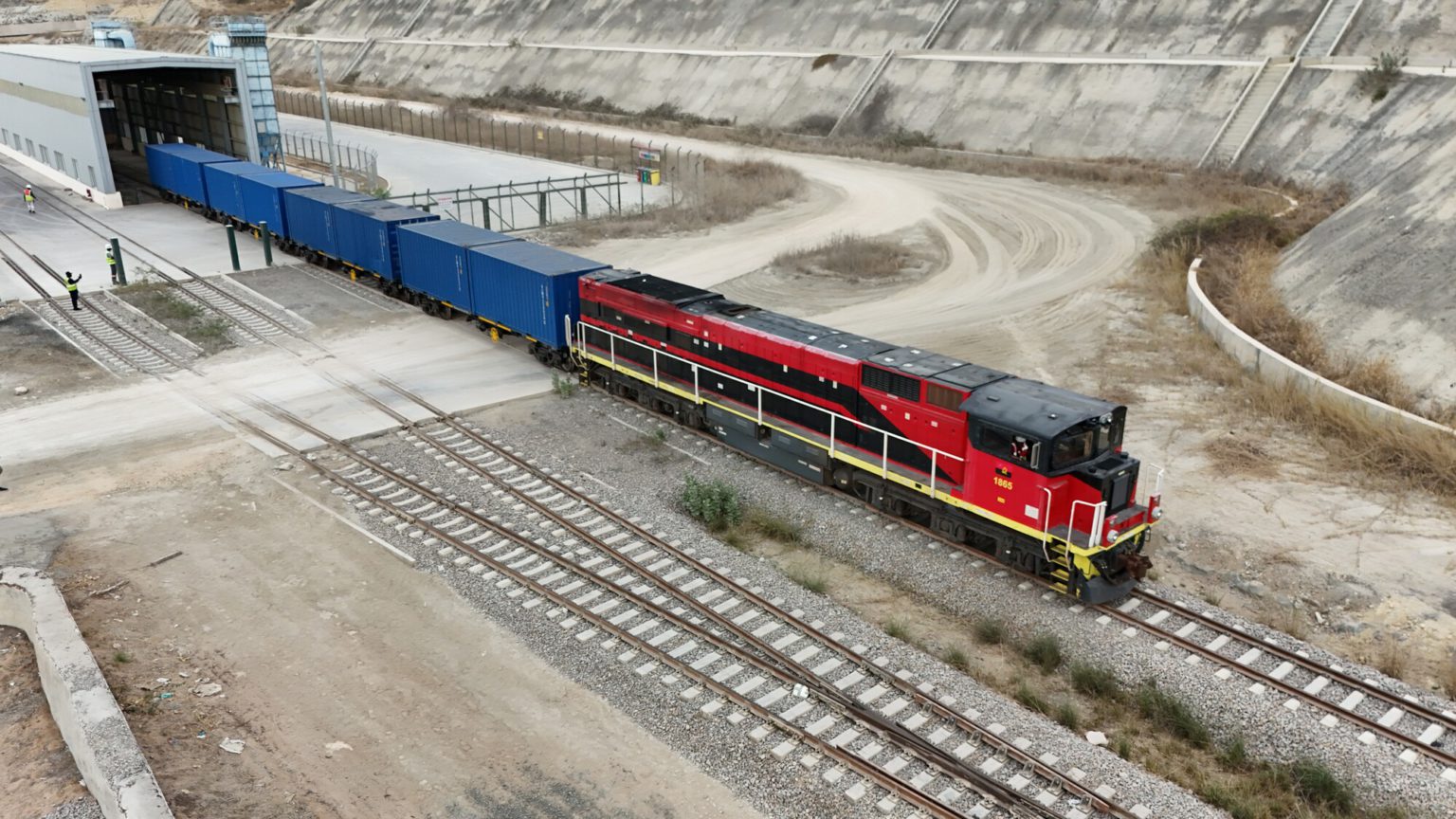
Image: Lobito Atlantic Railway. (Credit: Trafigura)
The Lobito Atlantic Railway (LAR) is targeting a doubling of international cargo volumes in 2027 after receiving approximately $300 million from a $753 million financing package supporting the US-backed Lobito Corridor.
The railway connects the Democratic Republic of Congo’s copper and cobalt-producing regions to Angola’s Atlantic coast, providing an important alternative route for transporting critical minerals to global markets.

Railway Investment to Boost Cargo Capacity
LAR Chief Executive Officer Nicolas Fournier said the company is undertaking an aggressive expansion programme to increase its transport capacity.
The investment includes purchasing new wagons and containers, repairing railway infrastructure and improving coordination between Angola and the Democratic Republic of Congo.
LAR expects to transport approximately 400,000 metric tons of international cargo in 2026, including around 200,000 tons of copper and cobalt moving from Congo to the port of Lobito. A similar volume of freight is expected to travel in the opposite direction.
The company aims to double total cargo volumes in 2027.
US Support Strengthens Lobito Corridor
The United States has provided financial backing for the Angolan section of the Lobito Corridor through the US International Development Finance Corporation.
The corridor has gained strategic importance as Washington seeks to diversify critical mineral supply chains and reduce dependence on China.
The Democratic Republic of Congo is the world’s second-largest copper producer and a leading global source of cobalt, both of which are essential to energy technologies and battery manufacturing.
LAR is preparing for a second drawdown from its financing facility to support additional investment in the railway.
Railway Recovery Improves Operations
The railway recorded its strongest month in July, transporting 27,000 tons of international cargo, according to Fournier.
This followed a recovery from flooding that damaged a 1.5-kilometre section of the line and forced the company to use trucks to bypass the affected area for two months.
Operational reliability has also improved. The number of railway sections requiring trains to slow down for technical reasons has fallen to approximately 12–15, compared with 110 when Fournier took over about 15 months earlier.
Strategic Importance for African Mineral Exports
The expansion of the Lobito Corridor could strengthen regional trade, improve access to export markets and reduce logistical challenges for copper and cobalt producers in the Democratic Republic of Congo.
For Africa’s mining industry, increased railway capacity offers an opportunity to improve the movement of critical minerals while supporting broader investment in transport infrastructure and regional economic integration.
Share this content: