Morocco Strengthens Position As One Of Africa’s Most Competitive Renewable Energy Markets
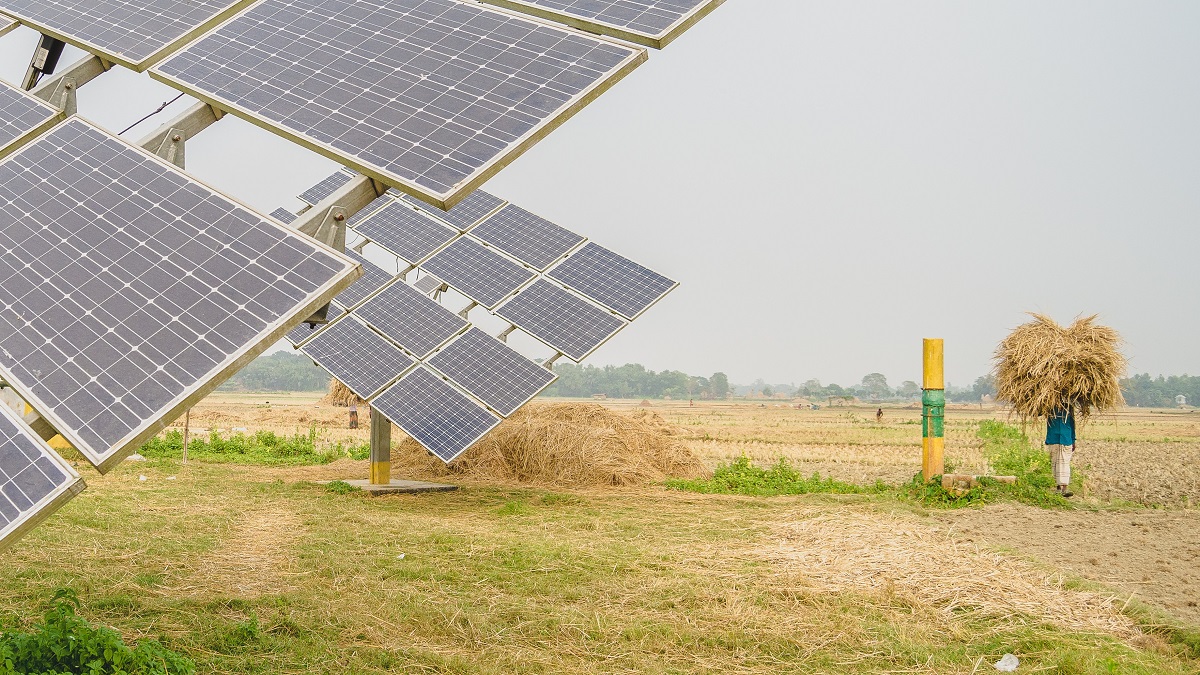
Morocco is strengthening its position as one of Africa’s most competitive renewable energy markets as falling solar power costs and major investments in green hydrogen accelerate the country’s clean-energy ambitions.
A recent report by Mordor Intelligence indicates that Africa’s renewable energy market is expected to expand at an average annual rate of 15.62% between 2026 and 2031. Installed renewable energy capacity across the continent is projected to increase from 86.95 gigawatts in 2026 to 179.66 GW by 2031, with solar photovoltaic power expected to record the fastest growth at an estimated annual rate of 27.84%.
Morocco is emerging as a particularly competitive market because of its low-cost solar power. Utility-scale solar auction tariffs in Morocco and Egypt fell below US$0.03 per kilowatt-hour in 2025, highlighting the continued decline in the cost of renewable electricity generation.

The country is also positioning itself as a major African hub for green hydrogen. Morocco is among a group of African countries developing green-hydrogen export hubs, alongside Egypt, Namibia, Mauritania and South Africa.
Morocco is directing approximately US$32.5 billion towards renewable energy projects linked to its green-hydrogen ambitions. These investments include the Noor Midelt and Atlantic wind complexes, which are intended to support the production and export of up to three million tonnes of hydrogen annually, including supplies destined for European markets.
The country’s renewable energy ambitions have attracted major international developers, including ACWA Power, Masdar, ENGIE and Enel Green Power, which are among the companies contributing to the development of Africa’s expanding renewable energy sector.
Across Africa, renewable energy investment is being supported by declining solar photovoltaic costs, the expansion of mini-grids and the development of green-hydrogen corridors. South Africa, Namibia, Egypt, Nigeria and Kenya are also advancing major renewable energy projects.
However, the continent continues to face challenges including electricity-grid constraints, renewable-energy curtailment and currency-convertibility risks, which can affect the pace and cost of new projects.
For Morocco, the combination of competitive renewable electricity, large-scale wind and solar development and its green-hydrogen strategy is creating an opportunity to strengthen its role as an energy bridge between Africa and Europe.
The country’s expanding renewable energy programme could therefore position Morocco not only as a major clean-power market in Africa, but also as a potential exporter of green energy and hydrogen to international markets.
Share this content: