Africa’s Mineral Wealth Needs Regional Cooperation to Drive Industrial Growth

Africa has significant mineral resources needed for the global energy transition, but a new World Bank-commissioned study warns that fragmented markets and limited local processing are preventing the continent from capturing more value from its mineral wealth.
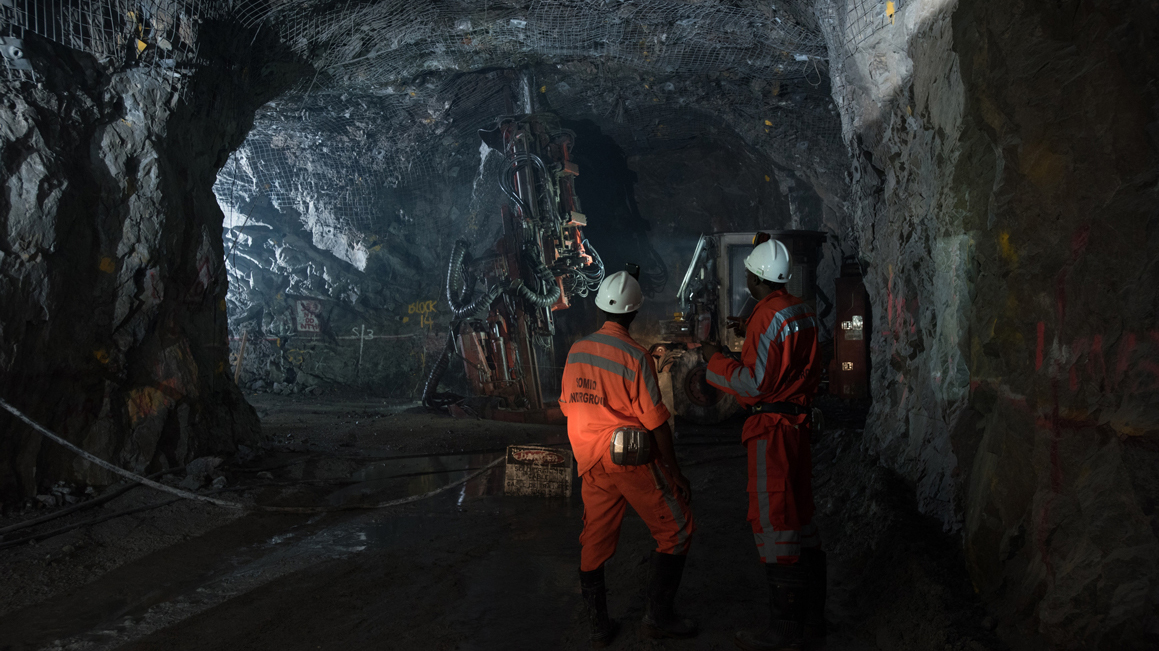
Demand for minerals such as cobalt, lithium, copper, manganese, graphite, platinum and rare earth elements is rising as countries expand electric vehicles, batteries, renewable energy systems and electricity infrastructure.
The study found that 48 African countries have deposits, reserves or production of at least one of 41 minerals used across clean-energy and related technologies. South Africa has 24 of the identified minerals, while Nigeria and the Democratic Republic of Congo each have 14.

At a continental level, Africa holds about 96% of global platinum group metal reserves, 77% of phosphate reserves and 55% of cobalt reserves. However, most individual African countries account for relatively small shares of global production and exports.
This fragmented supply base can make it difficult for individual countries to attract large-scale processing facilities, influence international buyers or develop complete mineral value chains.
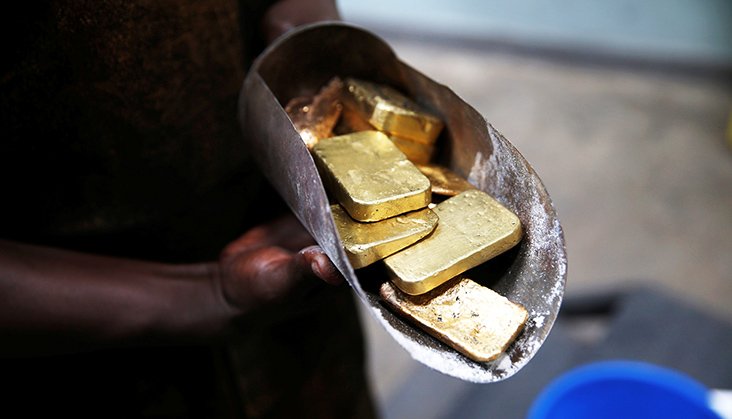
The research found that most African countries continue to export transition minerals in raw or lightly processed form. Local processing remains concentrated in a small number of countries, including South Africa, the DRC, Zambia and Zimbabwe, and much of that activity involves crushing and concentrating ore rather than producing higher-value materials, components or finished products.
The economic difference can be significant. The study cited Congolese cobalt as an example, with material valued at about $5.80 per kilogram at the point of extraction, compared with approximately $16.20 per kilogram after local refining.
Africa also remains heavily dependent on external markets for mineral demand and processing. China is the leading importer of 16 African minerals examined in the study and accounted for more than 40% of Africa’s annual mineral ore exports.
The researchers argue that this reflects a familiar pattern in which African countries supply raw materials while other economies capture a larger share of the value through refining, manufacturing and technology development.
Africa’s participation in green-technology industries remains limited. Between 2017 and 2023, the continent’s share of global patents across the technologies examined remained below 0.4%, while its export share was below 1% in every category covered by the research.
African governments are increasingly attempting to change this structure by reforming mining laws, restricting some raw-mineral exports, taking equity stakes in projects and pursuing partnerships designed to increase local processing and economic benefits.
However, the study notes that national approaches have limitations. Individual countries may not have sufficient mineral volumes, infrastructure, electricity, financing or skilled workers to establish competitive processing and manufacturing industries on their own.
Greater regional cooperation could therefore allow African countries to pool mineral supplies, markets, infrastructure and technical capabilities. Coordinated trade policies and common approaches to processing and environmental standards could also strengthen the continent’s negotiating position with international companies.
The researchers suggest that shared mineral-processing facilities serving several countries could help overcome the scale limitations faced by individual economies. Regional development banks and African financial institutions could support shared infrastructure in electricity, transport and processing, while universities and businesses help develop the skills required by emerging industries.
Foreign partnerships could also play a larger role in building African industrial capacity. Rather than focusing primarily on mineral extraction and exports, future agreements could include commitments to local processing, technology transfer, workforce development and the integration of African companies into emerging green-technology supply chains.
For Africa, the challenge is therefore not simply to increase mineral production. The larger opportunity lies in using the continent’s collective resource base to develop processing capacity, industrial supply chains and manufacturing industries that retain more economic value within Africa.
Share this content: