Madagascar Targets $5 Billion to Unlock Mining, Energy and Infrastructure Projects
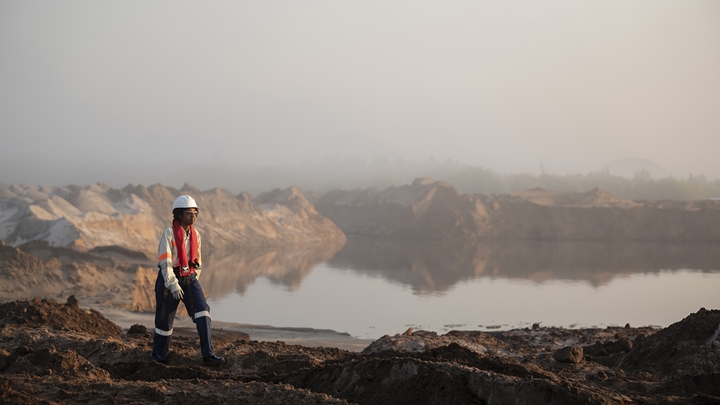
Madagascar is seeking to mobilise as much as $5 billion over the next four years to develop mining, energy and infrastructure projects, as the island nation looks to attract greater international investment into its largely untapped natural resources.
The initiative brings together Madagascar’s sovereign wealth fund, the Fonds Souverain Malagasy (FSM), and emerging-markets asset manager Gemcorp Capital Management in an effort to create an investment platform capable of attracting international capital and strategic partners.
The partnership was announced in September and is expected to support projects identified as priorities by the Malagasy government. Gemcorp also plans to establish an office in Antananarivo before the end of 2026.

Andry Raharinomena, chairman of the FSM, said the sovereign wealth fund is already involved in around a dozen projects requiring financing, while discussions are continuing with government ministries on additional opportunities.
The objective is to mobilise up to $5 billion over four years, with Gemcorp providing support in structuring projects and connecting Madagascar with international sources of capital.
The proposed investment programme spans several sectors. Among the projects being considered are three hydropower plants and smaller solar facilities, alongside mining developments targeting graphite, cobalt, nickel and rare earth elements.
These minerals are increasingly important to global manufacturing, energy technologies and supply chains, but Madagascar has yet to fully develop much of its mineral resource base.
Most of the country’s deposits remain undeveloped, with only a relatively small number of commercial mining operations currently active.
The investment strategy therefore goes beyond simply attracting funding for individual mines. Madagascar wants to develop projects that can be structured to meet the requirements of international investors and development finance institutions.
Gaj Wallooppillai, Gemcorp’s head of strategy, said the company’s role will initially be advisory and will focus on helping the FSM make strategic projects financially viable.
Gemcorp has deployed more than $10 billion since its establishment in 2014 and has become a significant private investor in African and emerging markets.
Its involvement could give Madagascar greater access to development finance institutions, sovereign lenders and investors in markets including the Gulf.
For the FSM, building those financial connections is particularly important because the sovereign wealth fund is still in its early stages and currently lacks the resources to finance projects directly.
Raharinomena said the fund will initially rely on external capital to support its investment ambitions.
The FSM has already assumed the state’s interests in a mineral sands project owned by Rio Tinto, giving the fund an existing connection to Madagascar’s mining sector.
The broader strategy comes as global demand for critical minerals increases and African countries seek to capture more economic value from their natural resources.
Graphite, cobalt, nickel and rare earths are increasingly viewed as strategically important commodities, particularly as countries seek to expand battery manufacturing, renewable energy and advanced industrial supply chains.
For Madagascar, developing these resources could provide an opportunity to expand exports while attracting investment into infrastructure, energy and supporting industries.
However, turning mineral deposits into commercially viable projects requires more than geological potential. Reliable energy, transport infrastructure, financing, technical expertise, regulatory certainty and processing capacity will all be important to the success of the investment programme.
The proposed hydropower and solar projects could also support this broader industrial ambition by increasing energy availability for mining and other productive sectors.
Gemcorp’s involvement is consequently aimed at helping Madagascar connect its resource opportunities with the international capital required to develop them.
The partnership represents an attempt to position the FSM as a catalyst for foreign investment rather than simply a state investment vehicle.
If Madagascar can convert its mineral resources and infrastructure opportunities into bankable projects, the country could attract new capital into sectors that remain significantly underdeveloped.
For investors, the opportunity is closely linked to Madagascar’s ability to build the infrastructure and financing structures required to move projects from resource potential to commercial production.
The $5 billion target is therefore not simply a fundraising ambition. It represents a broader effort to establish an investment pipeline capable of connecting Madagascar’s energy and mineral resources with international capital and global markets.
Share this content: