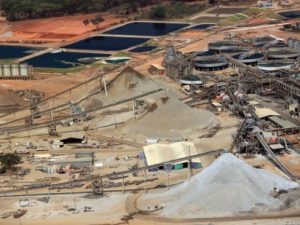
Sibanye-Stillwater Bets R6bn on Burnstone Gold Project Amid BEE Uncertainty

Sibanye-Stillwater has approved a major investment in South Africa’s Burnstone gold project despite uncertainty over future black economic empowerment (BEE) requirements and mining licence regulations.
The company plans to invest in the project in Mpumalanga, with its decision carrying regulatory risks linked to proposed amendments to the Mineral and Petroleum Resources Development Act (MPRDA).
Sibanye-Stillwater CEO Richard Stewart said the company had decided to proceed despite uncertainty over the empowerment provisions that could apply when the project’s current licence expires in approximately two years. He warned that a requirement to repeat the empowerment process could significantly affect the project’s financial viability.

Amendments to the MPRDA, gazetted in May 2025, have raised concerns across South Africa’s mining industry. The proposed changes could allow the minerals and petroleum resources minister to introduce new regulations linked to the Broad-Based Black Economic Empowerment Codes of Good Practice, potentially affecting how mining companies demonstrate ongoing compliance with empowerment requirements.
The debate follows a 2021 High Court ruling concerning the continued recognition of mining companies’ empowerment compliance. Industry stakeholders have raised concerns about the implications of the amendments for regulatory certainty and long-term investment decisions.
Burnstone is expected to produce approximately 130,000 ounces of gold annually once it reaches steady-state production, with an estimated mine life of 25 years. Sibanye-Stillwater plans to spend R3.5 billion completing the project’s infrastructure over six years, with the processing plant expected to begin operating in 2029.
The investment comes as the company’s gold division faces declining production. Output fell from just over one million ounces in 2021 to 632,341 ounces in 2025, increasing the importance of developing projects capable of supporting future production.
Despite the regulatory concerns, recent engagement between government and industry has raised hopes of progress towards greater certainty over mining legislation.
Speaking at the Joburg Indaba, Department of Mineral Resources deputy director-general for mining and mineral policy development Ntokozo Nzimande said discussions with the Minerals Council of South Africa in July had been constructive.
Nzimande said the engagement focused on the outcomes industry wanted from the legislative review. With the bill now before the National Economic Development and Labour Council (Nedlac), she indicated that government and industry were aligned on many aspects of the process.
The outcome of the legislative review could have significant implications for mining investment in South Africa, where companies must balance the development of long-term projects against uncertainty over regulatory requirements.
For Sibanye-Stillwater, Burnstone represents an opportunity to rebuild gold production capacity. However, the project’s long-term economics will depend partly on the final regulatory framework governing empowerment obligations and mining rights.
Share this content: