Mining Leaders Urged to Strengthen Safety Controls at the Point of Risk
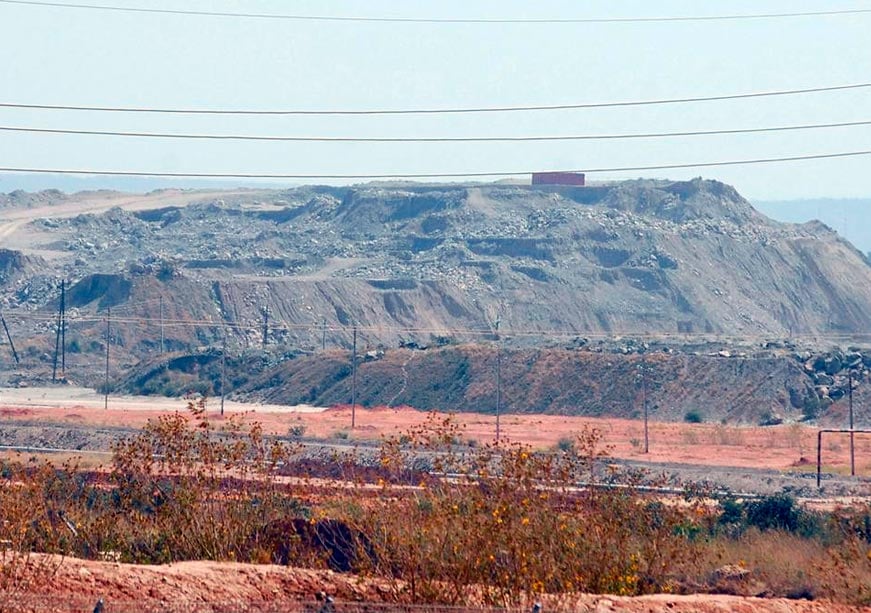
South Africa’s mining industry is being urged to strengthen workplace safety by ensuring that training, operating procedures and critical risk controls are effective in real working conditions, as fatality figures highlight the need for continued action.
At the Mine Health and Safety Summit on 17 September 2026, the Minister reported that South African mines had recorded 49 fatalities by 14 September, compared with 41 fatalities during the whole of 2025. The figures reinforce the need for mining companies to examine whether their safety systems are preventing harm in practice, rather than simply meeting administrative requirements.
African Mining Market

Louise Woodburn, General Manager of Risk Solutions at KBC, argues that mining leaders must look beyond whether employees have attended safety training or signed off on procedures. Instead, they should establish whether workers are adequately prepared for the risks they encounter and whether the required control’s function when needed.
Align Safety Procedures With Real Working Conditions
Standard operating procedures and codes of practice provide an essential foundation for safe mining operations, but conditions underground and at surface sites can change. Equipment, ground conditions, access routes and work sequences may differ from those anticipated in written procedures, sometimes leading workers to develop informal workarounds.
Woodburn says mining companies should review procedures alongside the employees and supervisors who carry out the work. Where existing processes are impractical or difficult to follow, management must address the underlying problems rather than simply update documentation.
Internal audits and independent assessments can also help identify weaknesses. Effective audits should involve observing work in the field, speaking to employees and contractors, and checking whether supervisors understand how to respond when a critical safety control is missing.
Verify Training and Critical Risk Controls
Safety training must extend beyond attendance to include knowledge assessment and practical verification. Employees need to demonstrate that they can apply what they have learned when dealing with potentially dangerous situations.
For example, isolation training should establish whether workers can identify the correct equipment, apply and verify isolation, and respond appropriately when actual conditions differ from the permit. In areas where mobile equipment operates, checks should assess both the physical separation of vehicles and pedestrians and compliance with traffic-management rules.
These assessments can reveal whether workers require additional coaching or whether weaknesses in equipment, procedures or production planning are making safe practices difficult to maintain.
Woodburn also highlights the importance of scenario-based training that prepares workers and supervisors to respond when conditions change. Teams should practise identifying hazards, communicating concerns, stopping work when necessary and confirming that appropriate controls are in place before operations resume.
Leadership Accountability Remains Essential
Mining companies must create an environment in which employees can raise safety concerns without fear of blame or pressure to recover lost production time. When workers are discouraged from stopping unsafe activities, important safeguards are weakened.
Woodburn recommends that leaders use evidence from incident investigations, procedure reviews, audits, employee feedback and critical-control checks to guide decisions and drive improvements across operations.
Ultimately, mining safety depends on ensuring that procedures reflect actual working conditions, employees are competent to perform their tasks, and critical controls remain effective as risks change.
For the industry, the priority is to move beyond compliance on paper and ensure that safety systems work where hazards are encountered, helping prevent fatalities and ensuring workers return home safely.
Share this content: