Guinea Opens Trial of More Than 1,200 People Accused of Illegal Gold Mining
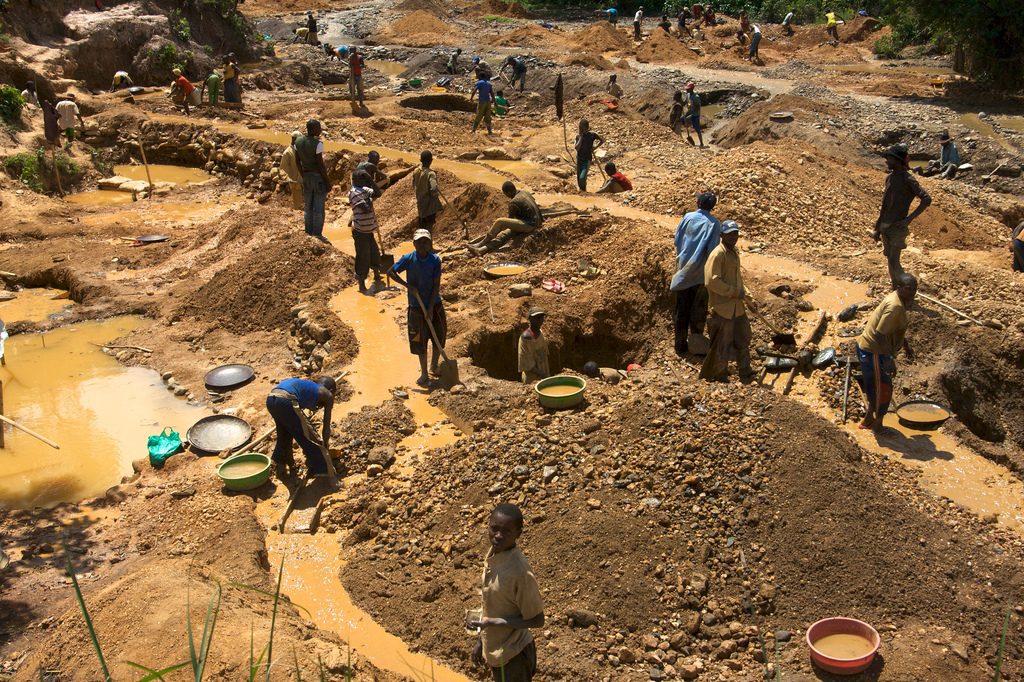
Guinea has begun the trial of more than 1,200 people accused of illegal gold mining, as authorities intensify efforts to clamp down on unauthorised mining activities in the country’s northeastern gold-producing region of Siguiri.
The trial opened in Conakry on Wednesday, November 11, 2026, following the arrest of hundreds of miners and a broader government crackdown on clandestine mining operations.
The arrests form part of measures aimed at controlling illegal artisanal mining, which has contributed to environmental degradation, land destruction and pollution of waterways in mineral-rich areas.

Several local officials have also been removed from their positions over allegations that they promoted or facilitated illegal mining activities.
Officials face allegations of facilitating illegal mining
The proceedings have also drawn attention to allegations of corruption and official involvement in unauthorised mining operations.
Sidiki Berete, who represents the officials’ facing accusations, has challenged the allegations, arguing that criminal responsibility should be established individually rather than imposed on officials who recently assumed their positions.
He also questioned the alleged links between the arrested miners and the officials, stating that some defendants had denied knowing the authorities or receiving their authorisation to operate.
The defence maintains that there is insufficient evidence connecting the officials to the alleged illegal mining activities.
Crackdown triggers regional migration concerns
Guinea’s crackdown has also created tensions across parts of West Africa, particularly among migrant workers who travelled to the country in search of employment in artisanal gold mining.
Following the implementation of a mining ban on November 2, tens of thousands of people were deported, according to reports.
The developments have raised humanitarian concerns in neighbouring countries, with Mali warning of a potential humanitarian crisis and Burkina Faso expressing concern over the alleged inhumane treatment of its citizens.
Lawyer Abou Camara, representing some of the miners, has argued that the arrested individuals should not be treated as scapegoats for wider illegal mining networks.
He maintains that those responsible for organising and benefiting from illicit mining activities should also be held accountable.
Environmental concerns drive mining enforcement
Guinea is endowed with substantial mineral resources, particularly gold and bauxite, making mining an important contributor to its economy.
However, the expansion of informal and unauthorised artisanal gold mining has created environmental challenges, including land degradation and contamination of rivers and other water sources.
Authorities are seeking to strengthen control over mining activities and address the environmental consequences associated with illegal operations.
The trial represents a significant development in the government’s enforcement campaign, although the proceedings will also test how responsibility is established across the networks involved in unauthorised mining.
For Guinea’s mining sector, the crackdown highlights the growing importance of regulatory enforcement, environmental protection and oversight of artisanal mining activities, while raising questions about the treatment and livelihoods of migrant workers dependent on informal mining.
Share this content: