Botswana and Côte d’Ivoire Sign Mining, Energy and Trade Agreements to Boost Economic Cooperation

Botswana and Côte d’Ivoire have signed agreements covering mining, energy, agriculture and trade as the two countries seek to strengthen economic cooperation, expand investment and promote intra-African trade.
The agreements were signed during a three-day state visit by Botswana President Duma Boko to Abidjan, where he was received by Ivorian President Alassane Ouattara.
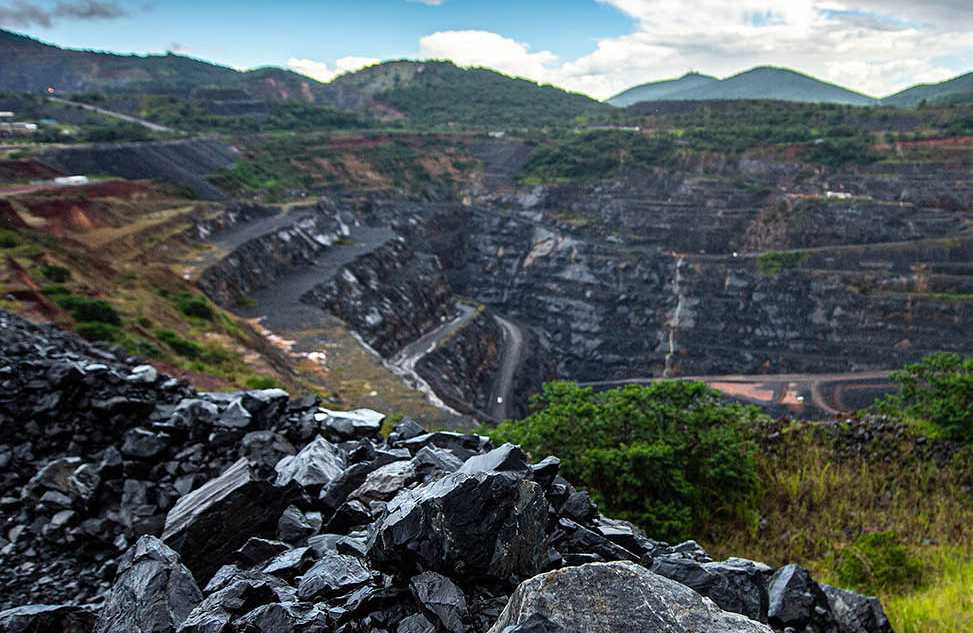
The partnership places particular emphasis on mining cooperation, with Botswana offering experience in mineral resource management and extractive industries, while Côte d’Ivoire seeks to increase mining’s contribution to its economy.

President Boko said stronger trade integration among African countries was essential to reducing their vulnerability to global economic disruptions.
He called for harmonised trade policies, laws and business practices to eliminate unnecessary barriers to trade and investment across the continent.
“We need to harmonise our trade regimes, we need to harmonise our laws and practices so that we don’t impose unnecessary barriers to trade and commerce,” Boko said.
He added that the two countries would collaborate in mining, with Botswana contributing its extractive industry expertise and experience in mineral resource management.
Boko also highlighted the importance of removing trade restrictions to help African economies withstand external shocks arising from geopolitical conflicts and international economic uncertainty.
The agreements build on a bilateral mining cooperation framework established earlier in 2026, which provides for collaboration and the exchange of expertise between the two countries.
Mining has been central to Botswana’s economy for decades, with diamonds accounting for approximately 30 per cent of its gross domestic product. The country also produces copper, gold, coal, nickel and soda ash.
Côte d’Ivoire, meanwhile, has been expanding its extractive industries following discoveries and developments involving oil, natural gas, coltan, gold and manganese.
The country is seeking to diversify its economy and increase the contribution of mining to national development.
President Ouattara said the visit was important for expanding economic relations, noting that existing trade and investment exchanges between the countries remained below their potential.
The agreements also come amid wider efforts to advance the African Continental Free Trade Area (AfCFTA), which officially came into force in 2021. However, the movement of goods, services and people across African borders continues to face regulatory and administrative barriers.
Boko argued that stronger cooperation and reduced trade restrictions would help African countries retain more economic value from their natural resources while expanding opportunities for businesses and investors.
The partnership signals growing interest in connecting African mining expertise, investment opportunities and natural resource development through stronger bilateral and regional cooperation.
Share this content: