Zimbabwe Revises Lithium Export Tax Rules, Requires Miners to Source 15% of Inputs Locally
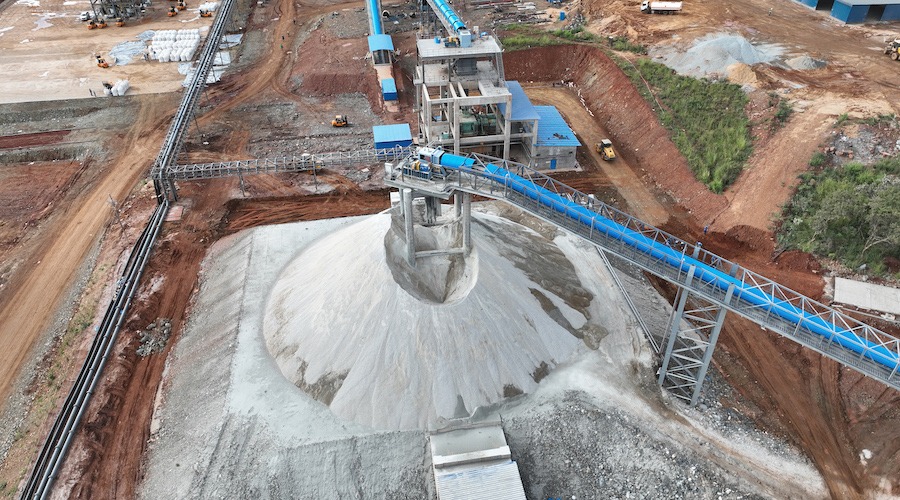
Zimbabwe has revised its lithium export tax framework to calculate duties based on the potential downstream value of lithium concentrate, while introducing a requirement for mining companies and other large businesses to purchase at least 15% of their inputs from local manufacturers.
Finance Minister Mthuli Ncube announced the measures during his budget speech on Thursday, 19 November 2026, saying the changes are intended to ensure the country receives a fairer share of revenue from its mineral resources and strengthen domestic manufacturing.
Under the revised arrangement, lithium concentrate exports will be taxed according to the gross fair market value of the equivalent lithium sulphate that could be produced from the material, rather than the concentrate’s actual selling price.

For tax purposes, benchmark-grade lithium concentrate containing 6% lithium will be converted using a ratio of five metric tonnes of concentrate to one metric tonne of lithium sulphate.
Ncube said the adjustment would help Zimbabwe capture more value from lithium exports and address revenue losses associated with selling concentrates that do not reflect the full economic value of their downstream processing potential.
The government will, however, maintain a zero export tax on lithium sulphate, an intermediate product further along the lithium processing value chain.
Zimbabwe is also considering restrictions on the export of unprocessed lithium concentrate. A ban is scheduled to take effect in January 2027, but mining producers have requested that implementation be delayed until July 2027. Ncube did not clarify whether the January deadline would remain in place.
The policy changes come as Zimbabwe seeks to expand domestic lithium processing and capture greater economic benefits from its position as Africa’s leading lithium producer.
Lithium sulphate production is projected to reach 208,000 metric tonnes in 2027 as new processing plants become operational. Lithium concentrate production is expected to increase to 2.3 million tonnes next year, from a projected 2.2 million tonnes in 2026.
Alongside the export tax adjustments, the government is introducing local procurement requirements aimed at supporting domestic manufacturing and strengthening links between mining operations and local suppliers.
Mining companies, government entities and other large businesses will be required to source at least 15% of their inputs from local manufacturers.
The requirement is expected to create opportunities for Zimbabwean manufacturers to supply mining operations with goods and services, while supporting domestic industrial development.
Ncube also disclosed that the government had paid US$229.7 million in cash and tax credits between January and September 2026 to platinum mining companies against outstanding claims relating to unpaid export proceeds.
The measures form part of Zimbabwe’s broader efforts to retain more value from its mineral resources, expand local processing capacity and increase the contribution of the mining sector to domestic economic development.
Share this content: