DRC Residents Sue Chinese-Owned Zijin Mining Subsidiary Over Pollution in Kolwezi
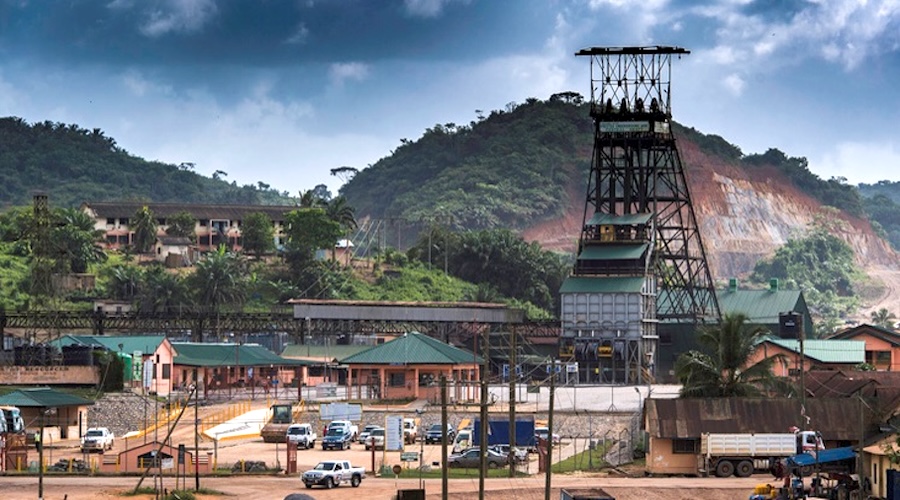
Twenty-seven residents of Kolwezi in the Democratic Republic of the Congo (DRC), including eight children, have launched legal action against Chinese-owned mining company Compagnie Minière de Musonoie Global (COMMUS), accusing it of environmental pollution that has allegedly damaged community health, water resources and local livelihoods.
The residents are seeking US$1.3 million in compensation and a further US$5 million for environmental restoration, making the case a significant test of mining companies’ environmental responsibilities in one of the world’s most important copper and cobalt-producing regions.
COMMUS is majority-owned by Chinese mining group Zijin Mining. The legal action also names the Congolese government and its environmental agency, accusing them of failing to enforce environmental protection regulations.

The first hearing took place at the Commercial Court of Kolwezi on 3 November 2026.
Communities raise concerns over water and air pollution
Residents living near the COMMUS open-pit mining operations have reported nosebleeds, headaches, coughing and skin rashes, which they believe are linked to pollution from mining activities.
One claimant, a mother of eight who purchased land in Kolwezi in 2008 and built her home two years later, described how the arrival of COMMUS in 2015 changed the surrounding environment.
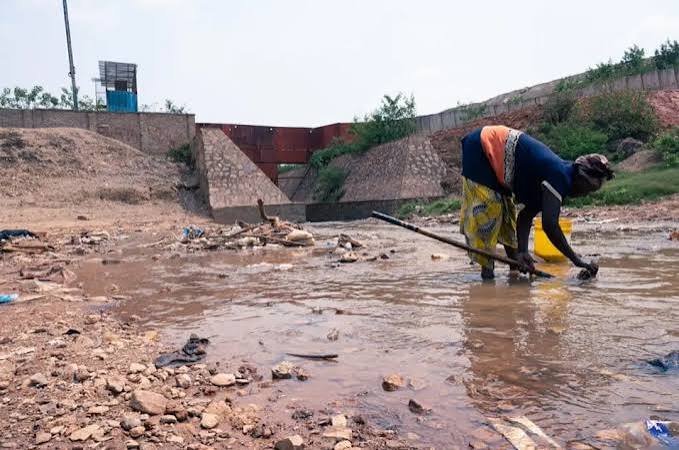
She said a nearby stream that previously supported fishing and natural vegetable growth had become polluted before its course was diverted.
She also alleged that pipes transporting water between the lake and the mining facility had contributed to contamination, making fish and naturally growing vegetables increasingly scarce.
According to her testimony, some residents continue using the water for washing and cooking, although others have stopped after experiencing skin problems.
She also described irritating emissions and vapour around the mine’s storage facilities, particularly during the morning and late afternoon.
These allegations have raised concerns about the impact of mining operations on communities living close to industrial extraction and waste disposal facilities.
Research identifies environmental pollution concerns
Environmental organisations African Resources Watch (AFREWATCH) and British charity Rights and Accountability in Development (RAID) commissioned research published in June 2026 that identified severe air pollution near some mining operations and groundwater contamination.
The findings have strengthened calls for greater environmental monitoring and accountability in Kolwezi’s mining areas.
Particular concern has also been raised about the Galaxy School, where approximately 1,500 children attend classes less than 500 metres from a mining waste dump linked to COMMUS.
An air-quality monitoring device installed at the school in September reportedly recorded sustained dangerous levels of fine particulate pollution exceeding five times the World Health Organization’s recommended daily limit.
AFREWATCH Human Rights Director Jean Pierre Lwamba said residents were taking legal action supported by independent scientific evidence and wanted environmental contamination addressed and further harm prevented.
Mining company faces environmental liability claims
The lawsuit is also testing the enforcement of the DRC’s 2018 Mining Code, which provides for mining companies to be held responsible for environmental damage, mine rehabilitation and the conservation of forest resources.
AFREWATCH and RAID said the case could create an important precedent for other communities seeking accountability from industrial mining operators.
Lawyer Emmanuel Kasongo, representing the residents, said communities had previously approached COMMUS and the Congolese Environment Agency through formal correspondence and appeals but had not received satisfactory responses.
He said the legal action seeks redress for violations of residents’ constitutional rights, including the right to health and the right to a healthy environment.
COMMUS operations highlight the scale of mining activity
The case comes as the DRC continues to attract substantial international investment in copper and cobalt, two minerals central to electric vehicle batteries, renewable energy technologies and global industrial supply chains.
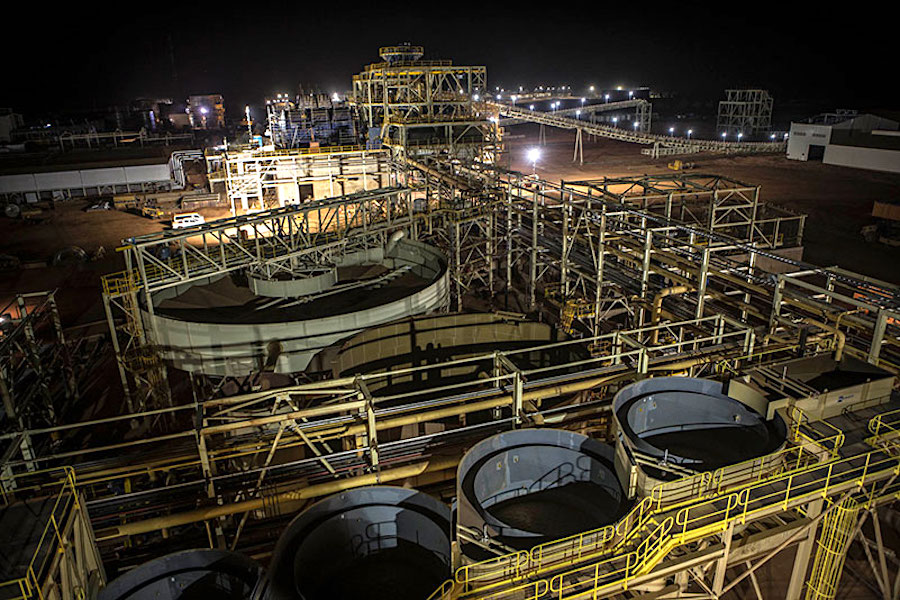
According to company information cited in the report, COMMUS has an annual copper production capacity exceeding 120,000 metric tonnes and cobalt production capacity of approximately 2,000 metric tonnes.
The DRC is the world’s largest cobalt producer and the second-largest copper producer, making environmental management increasingly important as mining activity expands.
The legal proceedings highlight the challenges facing mining companies operating near densely populated communities, particularly regarding water management, waste disposal, air quality and environmental rehabilitation.
For the DRC’s mining industry, the outcome could have implications beyond COMMUS, strengthening scrutiny of how mining operators meet their environmental obligations and protect communities living alongside major extraction projects.
Share this content: