Zimbabwe Eyes $21bn Mineral Export Boom as Mining Sector Expands Hiring

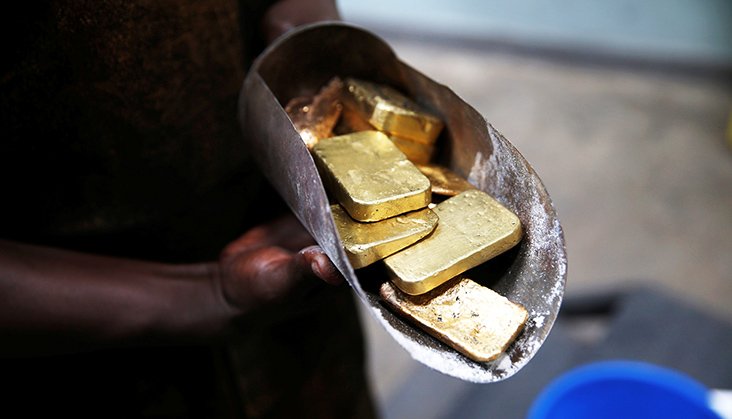
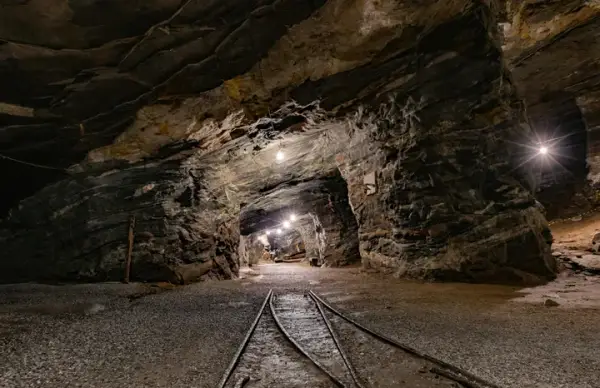
Zimbabwe’s mining industry is entering a strong growth phase, with projections suggesting the sector could generate up to $21 billion in mineral export earnings within the next two years as investment and production accelerate across key commodities.
The expected surge is being driven by rising global demand for critical minerals such as lithium, gold, platinum and chrome, which are essential for electric vehicles, renewable energy systems and advanced manufacturing.
Industry reports indicate that the sector could create as many as 100,000 new jobs over the next five years, marking one of the largest employment expansions in Zimbabwe’s mining history. At present, the formal mining industry employs about 60,000 people.

According to the Chamber of Mines of Zimbabwe, nearly half of the new positions are expected to require highly skilled professionals, including engineers, geologists and metallurgists, reflecting the increasing technical complexity of mining operations.
Mining already plays a central role in Zimbabwe’s economy, contributing about 14.5% of GDP and generating approximately $7.7 billion in annual output. It also accounts for more than 45% of the country’s foreign currency earnings.
Output growth has remained strong, with the sector expanding by more than 7% in 2025 and further growth projected this year as new projects come online and existing operations scale up production.
Economists say the projected expansion is closely tied to Zimbabwe’s Vision 2030 strategy, which aims to transform the country into an upper-middle-income economy through industrialisation, beneficiation and value addition.
However, analysts caution that achieving the $21 billion export target will depend on addressing key structural constraints, including unreliable infrastructure, energy shortages and limited access to long-term financing.
Transport bottlenecks remain a major concern, particularly the country’s struggling rail network, which has shifted a growing share of mineral freight onto road transport, increasing logistics costs and reducing competitiveness.
Despite these challenges, investor interest in Zimbabwe’s mining sector continues to grow, supported by rising global demand for strategic minerals and the country’s significant resource base.
If successfully implemented, the mining expansion could significantly strengthen Zimbabwe’s foreign currency position, improve fiscal stability, and deepen its integration into global critical mineral supply chains.
For now, the outlook for the sector remains strongly positive, but its long-term success will depend on infrastructure recovery, policy consistency, and sustained investor confidence.
Share this content: