Burundi Boosts Government Spending as Mining Revenue Strengthens Economy
Burundi has approved a significant increase in government spending for the 2026/27 fiscal year, with growing contributions from the country’s mining sector expected to support economic expansion and public investment.
Parliament voted to adopt a budget of 7.02 trillion Burundi francs ($2.36 billion) for the 12 months beginning in July 2026, representing a 30% increase from the current fiscal year’s budget of 5.4 trillion francs.
The approved spending plan exceeds the 6.7 trillion Burundi francs initially proposed by Finance Minister Alain Ndikumana during his budget presentation to lawmakers. The increase reflects the government’s confidence in improving revenue streams and stronger economic prospects.

According to government projections, Burundi’s economy is expected to grow by 5.5% in the coming fiscal year, compared with an estimated 4.7% growth rate in 2025/26. Officials attribute the anticipated expansion to increased agricultural productivity, infrastructure development and rising mineral production.
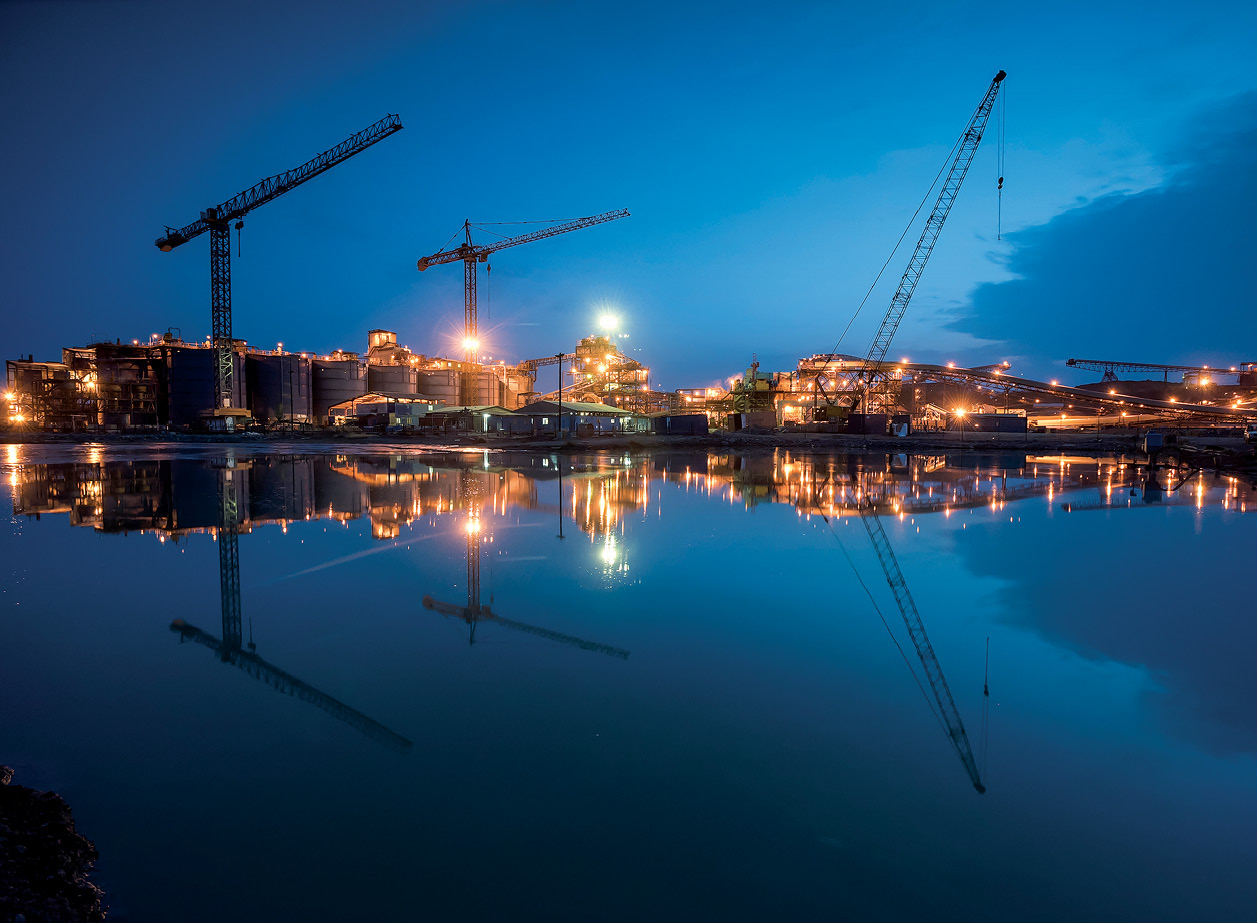
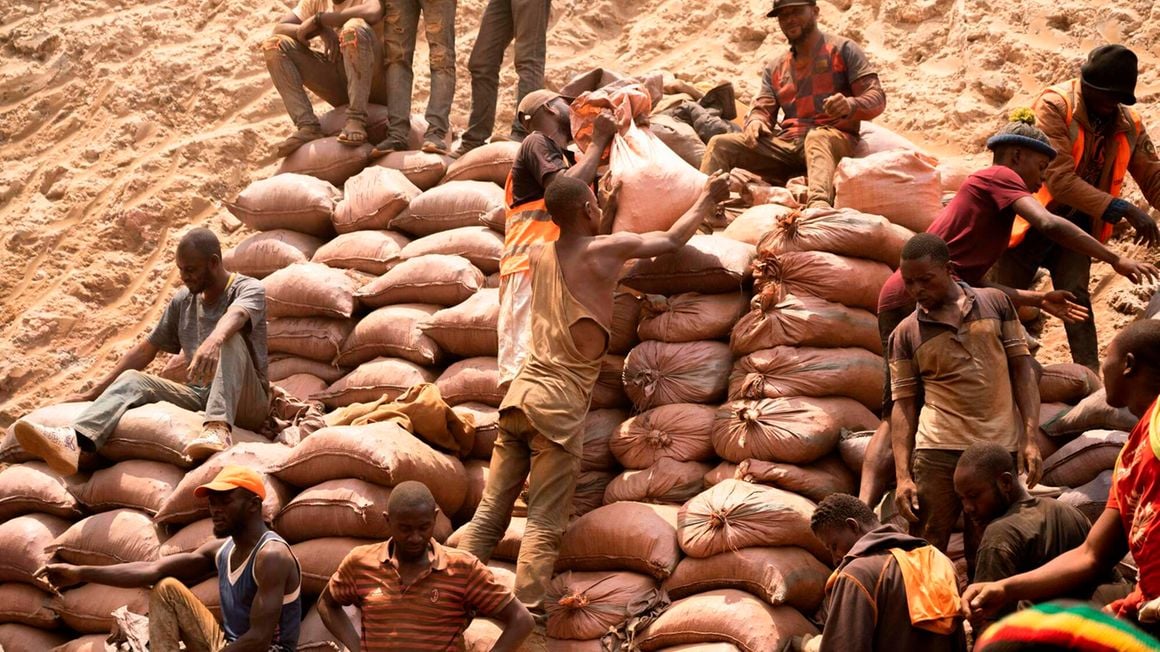
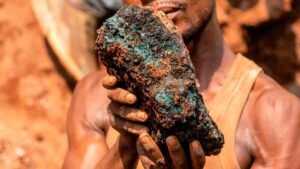
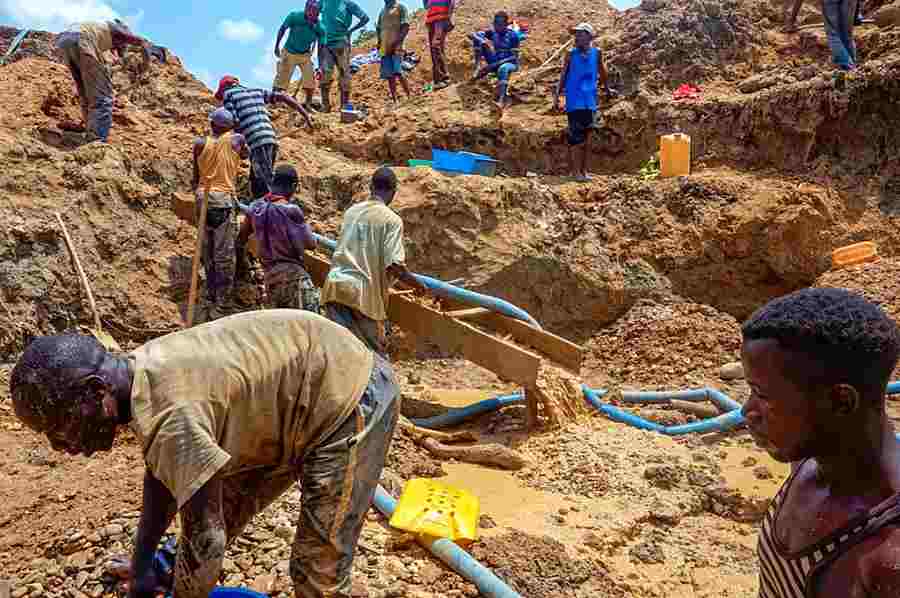
The mining sector is expected to play a key role in supporting economic growth and government revenues. Burundi produces several strategic minerals, including gold, tin, tantalum and tungsten, which continue to attract interest as global demand for critical and industrial minerals remains strong.
Government officials have identified the gradual increase in mineral production as one of the key drivers behind the country’s improved economic outlook. The sector’s contribution comes as Burundi seeks to diversify its export base and reduce reliance on traditional revenue sources.
In addition to expanding public spending, the government announced plans to eliminate import taxes on electric and hybrid vehicles. The measure is intended to encourage the adoption of alternative transport solutions as fuel supply challenges continue to affect the country.
The decision follows ongoing disruptions in global energy markets, which have placed additional pressure on fuel availability and prices across parts of Africa.
Analysts say the larger budget signals Burundi’s ambition to accelerate economic development while leveraging growth opportunities in mining and agriculture. If mineral production continues to rise as expected, the sector could become an increasingly important source of revenue and foreign exchange earnings for the East African nation.
With investment in mining gathering momentum and export diversification efforts continuing, Burundi is positioning its natural resources sector as a key pillar of future economic growth.
Share this content: