Young Doctors Transform Healthcare in South Africa’s Mining Communities
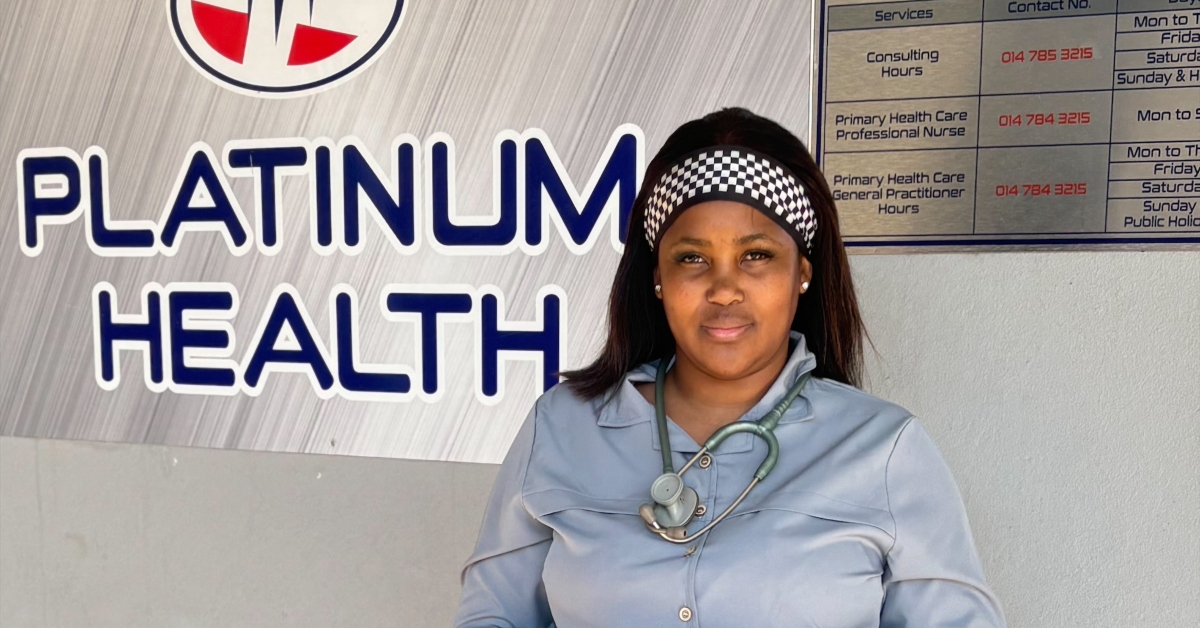
A new generation of young medical professionals is helping reshape healthcare delivery in South Africa’s mining communities, bringing a stronger focus on prevention, education and community wellbeing.
As South Africa celebrates Youth Month, healthcare practitioners under the age of 35 are making a growing impact across mining regions, where access to quality healthcare remains essential for workers, families and local communities.
Beyond treating illness and injuries, these young doctors are helping build healthier and more resilient communities through education, chronic disease management and preventative healthcare programmes.

Young Healthcare Professionals Driving Change
Mining communities face unique healthcare challenges, including occupational illnesses, workplace injuries, chronic diseases and mental health concerns.
Young doctors working within these environments say their roles have evolved beyond traditional clinical care to include broader community health support and health promotion initiatives.
For many, the work offers an opportunity to create meaningful and long-lasting change.
General dental surgeon Dr Oarabile Mochwanaesi said his connection to mining communities began during childhood, having grown up in a mining environment where he witnessed firsthand the close relationship between workers’ health and community wellbeing.
According to him, healthcare in mining communities extends beyond treating individual patients and plays a critical role in supporting livelihoods and maintaining healthy communities.
Building Trust Through Patient Education
Healthcare professionals working in mining communities emphasise that trust is one of the most important elements of effective healthcare delivery.
Dr Mochwanaesi explained that many patients are more likely to seek medical care and follow treatment recommendations when healthcare providers take time to communicate clearly and explain medical conditions in understandable terms.
He noted that education is particularly important in oral healthcare, where misconceptions often influence treatment decisions.
Many patients, he said, believe that tooth extraction is the only solution to dental pain because of limited exposure to alternative treatments.
By educating patients about available treatment options and preventative oral care practices, healthcare providers are helping individuals preserve their natural teeth and improve long-term health outcomes.
Modern Mining Medicine Focuses on Communities
Dr Masego Tiro highlighted the changing nature of healthcare within the mining sector, where doctors increasingly focus on population health rather than solely treating individual illnesses.
According to Tiro, modern mining healthcare includes prevention programmes, chronic disease management, health promotion and community education initiatives.
She explained that healthcare leaders are increasingly involved in designing systems that enable teams of clinicians to deliver consistent, evidence-based care to entire communities.
This broader approach helps improve health outcomes while strengthening healthcare systems serving mining populations.
Addressing Complex Health Challenges
Mining communities often face a combination of occupational, social and environmental health challenges.
Shift work, demanding schedules and extended periods away from family can contribute to stress, sleep disruption and chronic health conditions.
Workers may also be exposed to environmental factors such as dust, heat and noise, increasing the risk of occupational illnesses and long-term health complications.
Healthcare professionals say accessible medical services are critical for managing these challenges and reducing the overall disease burden within mining communities.
Effective healthcare systems can improve quality of life, enhance workforce productivity and strengthen community resilience.
Healthcare Education Key to Prevention
Experts emphasise that preventative healthcare and health education are among the most effective tools for improving long-term community wellbeing.
By helping individuals understand risk factors, treatment options and healthy lifestyle choices, healthcare providers can reduce the prevalence of preventable diseases and encourage earlier intervention.
Educational programmes also help combat stigma surrounding chronic illnesses and mental health conditions, making it easier for individuals to seek support when needed.
Healthcare professionals working in mining communities increasingly view education as a vital component of patient care.
Managing Occupational and Chronic Diseases
Dr Phinky Mhlanga noted that mining healthcare practitioners regularly deal with a wide range of health conditions.
These include infectious diseases such as tuberculosis and HIV, seasonal illnesses like influenza, chronic diseases and workplace-related injuries.
Musculoskeletal conditions, including lower back pain, neck pain and shoulder injuries, are also common among mining workers due to the physically demanding nature of their jobs.
Mhlanga said healthcare providers must be prepared to assess and manage a variety of medical conditions while communicating diagnoses and treatment plans clearly to patients.
Strong Community Relationships Improve Outcomes
Building strong relationships within mining communities is considered essential for delivering effective healthcare.
According to Mhlanga, trust encourages patients to speak openly about their health concerns, enabling medical professionals to identify issues earlier and provide appropriate support.
This includes referrals to specialists, when necessary, particularly for mental health concerns and chronic disease management.
Healthcare workers embedded within communities are often better positioned to understand local challenges and develop solutions tailored to the needs of residents.
Young Doctors Making a Lasting Impact
While healthcare in mining communities can be demanding, many young professionals describe the work as deeply rewarding.
The opportunity to improve healthcare access, strengthen community wellbeing and support vulnerable populations continues to attract a new generation of doctors to the sector.
Through patient education, preventative care and community-focused healthcare delivery, these young professionals are helping shape a healthier future for South Africa’s mining communities.
As the country marks Youth Month, their contributions highlight the important role that young healthcare leaders play in advancing public health and improving quality of life across mining regions.
The Future of Community Healthcare
Healthcare experts believe the next generation of medical professionals will continue driving innovation in mining medicine and community health.
By combining clinical expertise with education, policy development and preventative care strategies, young doctors are helping build healthcare systems capable of addressing both current and future challenges.
Their work demonstrates that effective healthcare extends beyond hospitals and clinics—it begins within communities and contributes directly to social and economic development.
As mining communities continue to evolve, the role of young healthcare professionals will remain critical in ensuring healthier, stronger and more resilient populations.
Source: Africa.com
Share this content: