Mali’s Gold Production Expected to Stay Below 60 Tonnes Through 2029
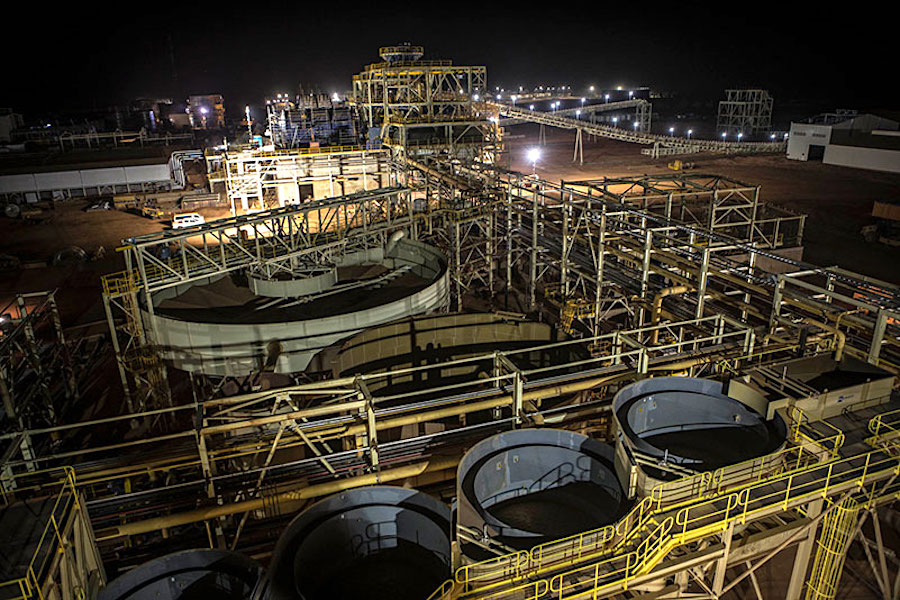
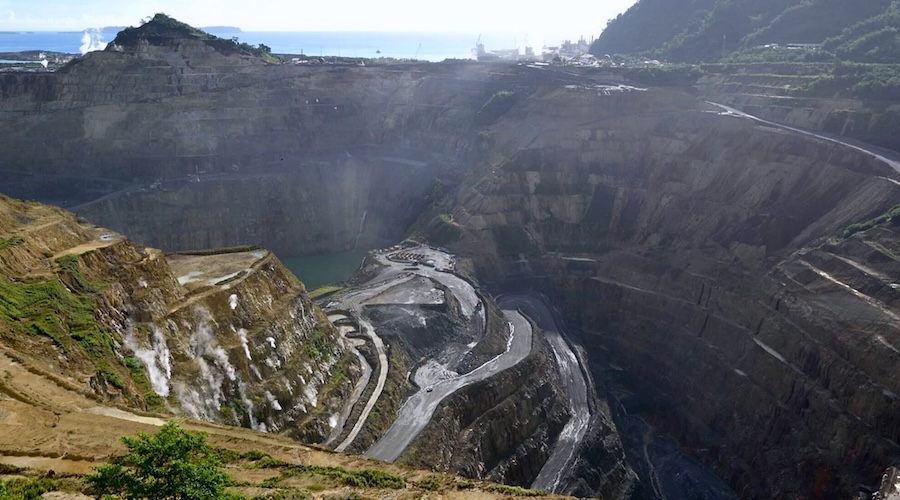
Mali’s gold mining industry is expected to remain under pressure over the next four years, with government forecasts showing industrial gold production staying below 60 tonnes annually through 2029. The outlook reflects the continued impact of sweeping mining reforms introduced in recent years, alongside declining reserves and changing investment dynamics.
According to projections from Mali’s Ministry of Mines, industrial gold production is expected to reach 43.2 tonnes in 2026 before increasing to 51.2 tonnes in 2027 and peaking at 57 tonnes in 2028. Production is then forecast to decline to 50 tonnes in 2029, remaining well below the country’s record output of 66.5 tonnes achieved in 2023.
The government has not provided detailed reasons for the projected production trend, but industry analysts point to the country’s revised 2023 Mining Code and the uncertainty it created among international mining companies.

The new legislation significantly increased the state’s participation in mining projects and introduced tougher fiscal requirements aimed at increasing national revenue from the country’s vast mineral wealth. Since its implementation, Mali has pursued audits of major mining operators, recovering approximately CFA761 billion (US$1.2 billion) in alleged unpaid taxes and royalties.
These reforms led to a high-profile dispute between the government and Canadian mining giant Barrick over the Loulo-Gounkoto complex. The disagreement resulted in the temporary state administration of one of Mali’s largest gold mines before both parties eventually reached a settlement. The dispute raised concerns among investors about regulatory stability within one of Africa’s most important gold-producing nations.
Despite these challenges, Mali’s largest mining operations are expected to remain the backbone of national production. B2Gold’s Fekola Mine, Barrick’s Loulo-Gounkoto Complex, Resolute Mining’s Syama Mine and Allied Gold’s Sadiola Mine are projected to account for the majority of industrial gold output throughout the forecast period.
While industrial production is expected to fluctuate, artisanal and small-scale mining is forecast to remain relatively stable at around six tonnes per year. Small-scale mining continues to play an important role in supporting rural livelihoods and local economic activity across the country.
Another growing concern is the gradual depletion of Mali’s gold reserves. Government estimates indicate industrial gold reserves will decline from approximately 906.8 tonnes in 2026 to 748.6 tonnes by 2029. The reduction highlights the importance of continued exploration and new project development if the country is to maintain its position among Africa’s leading gold producers.
Gold remains Mali’s largest export and one of its most significant sources of foreign exchange earnings. The sector contributes substantially to government revenue, employment and economic growth, making production levels closely watched by both investors and policymakers.
Although the government’s strategy aims to secure a larger share of mining revenues for the country, maintaining investor confidence will remain critical for attracting new exploration capital and sustaining long-term production growth.
As global demand for gold continues to benefit from economic uncertainty and strong central bank purchases, Mali faces the challenge of balancing greater national control over its resources with the need to create a stable and competitive environment for international mining investment. The country’s ability to achieve that balance will largely determine the future trajectory of one of Africa’s most valuable gold industries.
Share this content: