Africa Urged to Transform Critical Minerals Into Inclusive Economic Growth

By MiningFocus Africa Staff Writer
Africa’s abundant mineral resources are once again at the centre of global attention, but industry leaders are warning that the continent’s long-term success will depend not on the size of its mineral deposits, but on how effectively those resources are managed to create inclusive and sustainable economic growth.
This message dominated discussions at the High-Level Conference on Governance, Critical Minerals and Conflict in Africa, currently taking place in Accra, Ghana, where government officials, mining executives, academics and civil society organisations are examining how Africa can maximise the benefits of the global race for critical minerals.

With worldwide demand for minerals such as lithium, cobalt, copper, graphite, manganese and rare earth elements accelerating due to the transition towards electric vehicles, renewable energy and advanced digital technologies, African nations are facing a rare opportunity to reshape their role in global supply chains.
Rather than remaining suppliers of raw materials, delegates say Africa must position itself as a producer of higher-value mineral products while ensuring mining revenues contribute to broader economic development.
A Defining Moment for Africa’s Mining Industry
The growing demand for critical minerals has placed Africa in a strategic position unlike any other time in recent history.
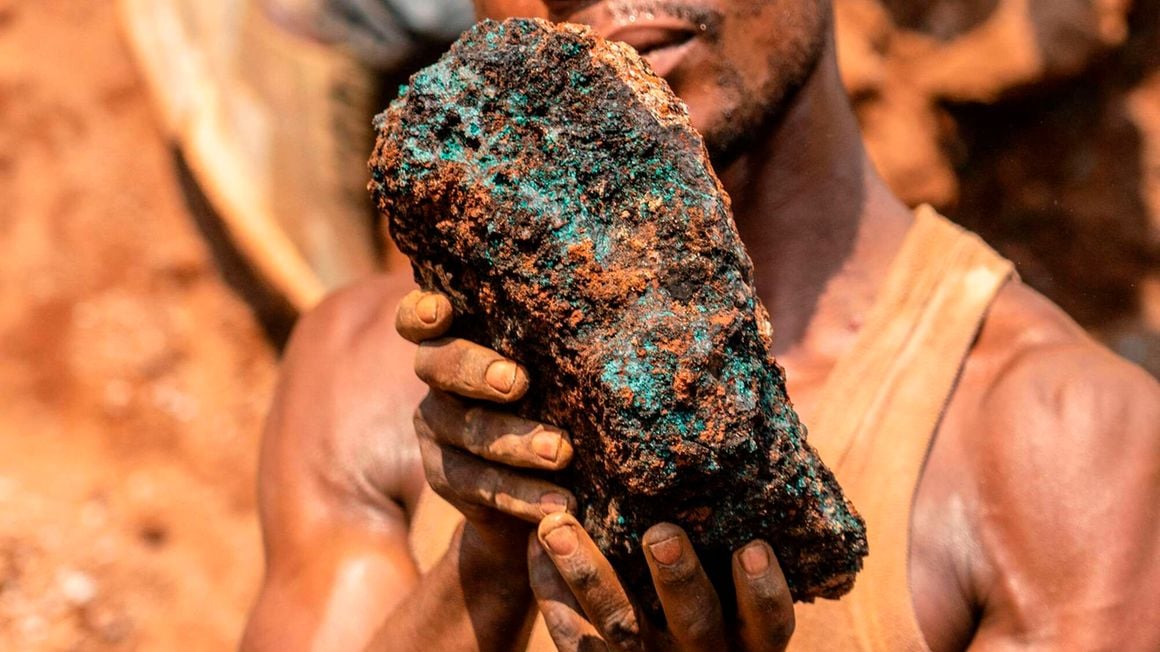
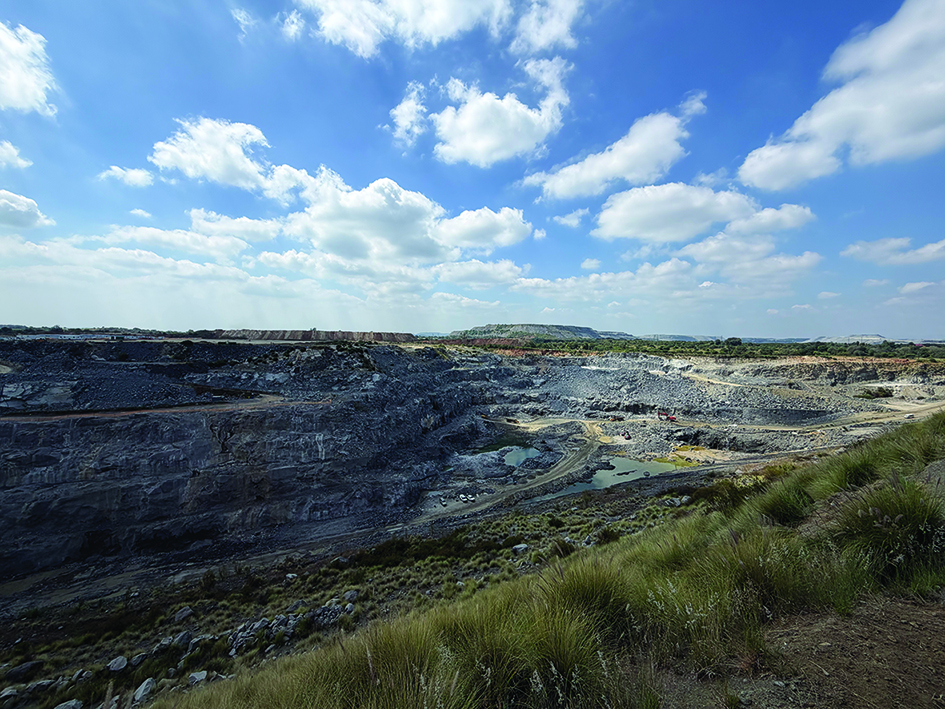
The continent possesses some of the world’s largest reserves of copper, cobalt, lithium, manganese, platinum group metals and rare earth minerals—resources that have become essential for clean energy technologies, battery manufacturing and modern electronics.
As governments and manufacturers around the world compete to secure reliable mineral supplies, African countries are increasingly seeking to negotiate stronger partnerships that deliver lasting economic benefits rather than simply increasing export volumes.
Delegates in Accra agreed that the challenge is no longer attracting investment alone but ensuring that investment translates into employment, industrialisation, technology transfer and stronger local economies.
Mineral Wealth Must Benefit Communities
Speakers emphasised that mineral development should improve living standards for the communities where mining takes place.
Investment in education, healthcare, infrastructure, local businesses and skills development was identified as equally important as expanding production capacity.
Without inclusive policies, experts warned that mineral wealth risks reinforcing inequality rather than reducing poverty.
They argued that responsible governance, transparency and community participation should become central pillars of future mining development across the continent.
By strengthening institutions and ensuring revenues are managed effectively, governments can transform mining into a catalyst for long-term national development.
South Sudan Looks Beyond Conflict
South Sudan highlighted its ambitions to become an emerging mining destination following years of political instability.
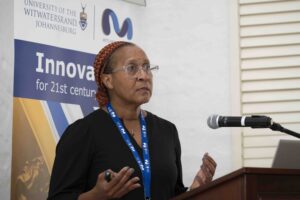
Triple A Group Chief Executive Officer Dr Atong Juac said the country is entering a new phase of economic development, supported by improving security conditions and growing investor confidence.
According to Juac, increasing female participation in the mining industry reflects wider social and economic progress.
Women now account for approximately 35% of participation under affirmative action initiatives, although she acknowledged that greater inclusion remains necessary.
She also noted that South Sudan’s untapped mineral potential continues to attract international investors seeking new exploration opportunities across the country’s largely underdeveloped mining sector.
As one of Africa’s youngest nations, South Sudan sees mining as an important driver of economic diversification beyond oil production.
Value Addition Becomes Continental Priority
One of the strongest themes emerging from the conference is the growing consensus that Africa must process more of its mineral resources before export.
For decades, the continent has largely exported raw ores and concentrates while higher-value processing, refining and manufacturing occurred overseas.
Delegates argued that this model limits employment creation and reduces the economic value retained within African economies.
Developing local smelters, refineries, battery material plants and mineral processing facilities would allow African countries to capture a far greater share of global mineral value chains.
The approach also aligns closely with the objectives of the African Continental Free Trade Area (AfCFTA), which aims to expand regional industrialisation and intra-African trade.
Regional Cooperation Will Be Essential
Experts stressed that no single African country can fully develop competitive critical mineral industries independently.
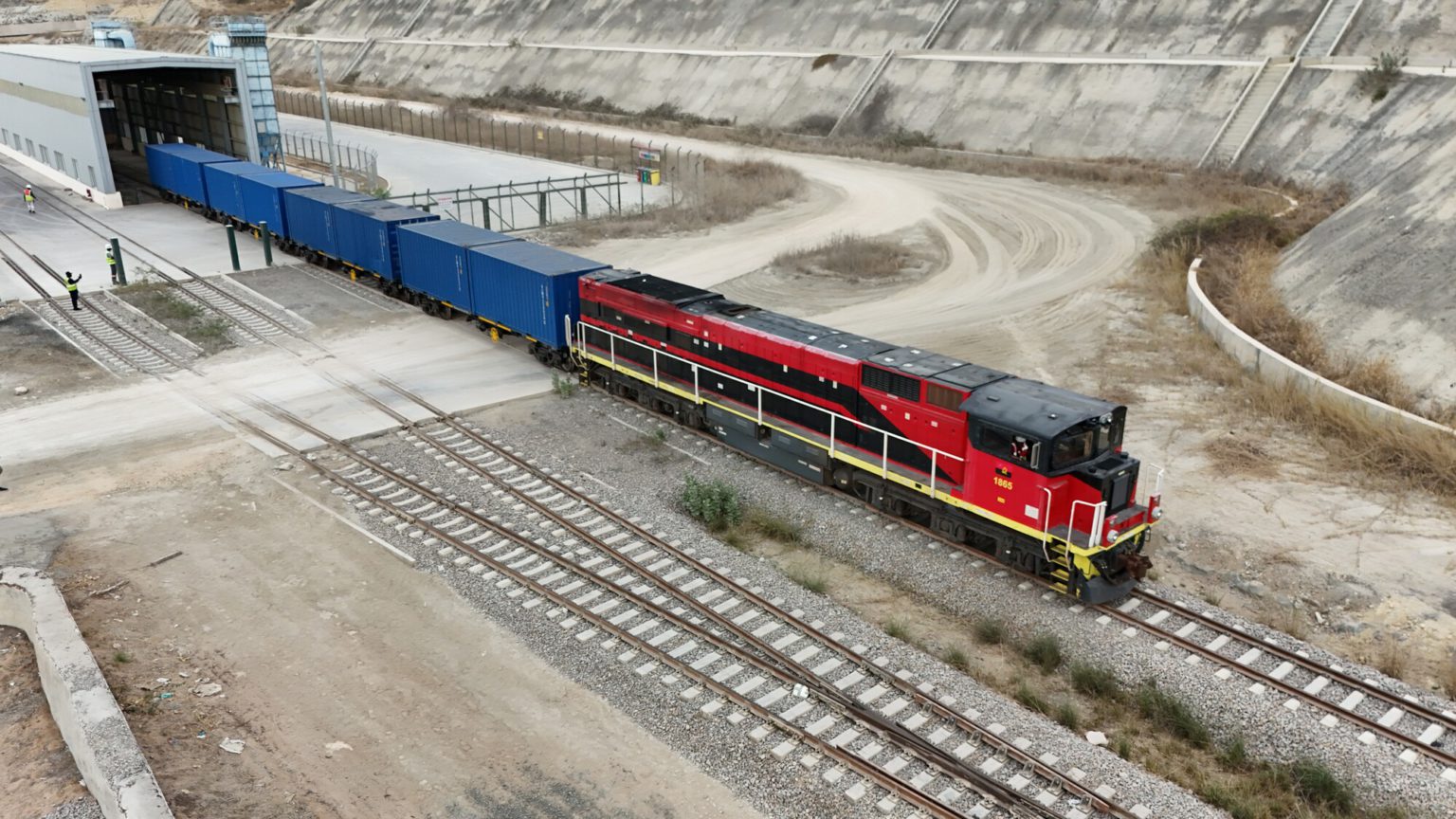
Instead, stronger regional cooperation will be required to harmonise mining policies, improve transport infrastructure, attract investment and develop integrated mineral value chains.
Cross-border partnerships could enable neighbouring countries to specialise in different stages of mineral processing while sharing infrastructure and reducing investment costs.
Industry leaders believe greater collaboration between governments, mining companies, research institutions and financial organisations will accelerate Africa’s competitiveness in global mineral markets.
Cameroon Highlights Industrial Transformation
The conference also heard how countries are increasingly integrating mining into broader national industrial strategies.
Cameroon’s National Development Strategy 2030 places significant emphasis on human capital development, industrial expansion and value addition.
Rather than viewing mining as an isolated sector, policymakers are seeking to connect mineral production with manufacturing, infrastructure development and technology industries.
This integrated approach reflects a wider shift across Africa, where governments are moving beyond resource extraction towards comprehensive industrial transformation.
Governance Remains the Foundation
Despite growing optimism surrounding critical minerals, conference participants agreed that effective governance will ultimately determine whether Africa realises its full economic potential.
Transparent licensing systems, predictable regulatory frameworks, environmental protection and responsible revenue management remain essential for attracting long-term investment.
Strong institutions also provide greater confidence for investors while ensuring communities receive meaningful benefits from mining projects.
As demand for critical minerals continues to rise globally, Africa’s competitive advantage will increasingly depend not only on its geological resources but also on the quality of its governance.
A New Era for African Mining
The discussions in Accra reflect a broader transformation taking place across Africa’s mining industry.
Governments are increasingly recognising that mineral wealth alone does not guarantee prosperity. Lasting economic development requires strategic investment, regional cooperation, industrialisation and inclusive growth.
With global demand for critical minerals expected to remain strong for decades, Africa has an opportunity to redefine its position within international supply chains.
If supported by sound governance and value-added industrial development, the continent’s mineral resources could become a powerful engine for sustainable economic growth, job creation and technological advancement.
For many delegates, the message was clear: Africa’s future will not be determined simply by what lies beneath the ground, but by the policies and partnerships that transform those resources into lasting prosperity for its people.
Share this content: