Zambia’s Copper Ambitions Face Crucial Election Test as Mining Sector Eyes 3 Million-Tonne Future
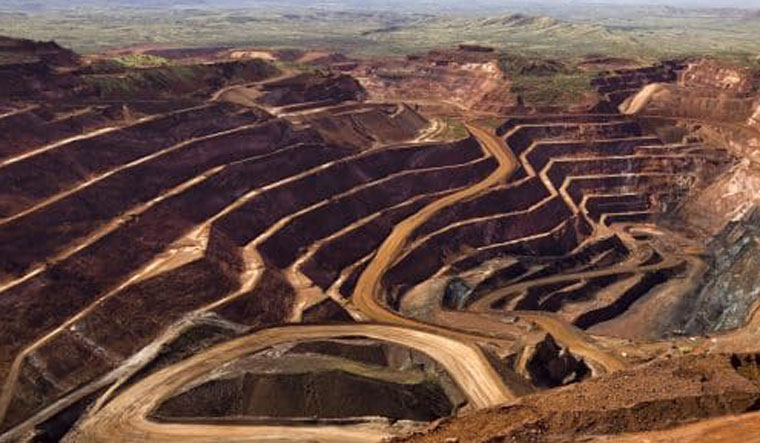
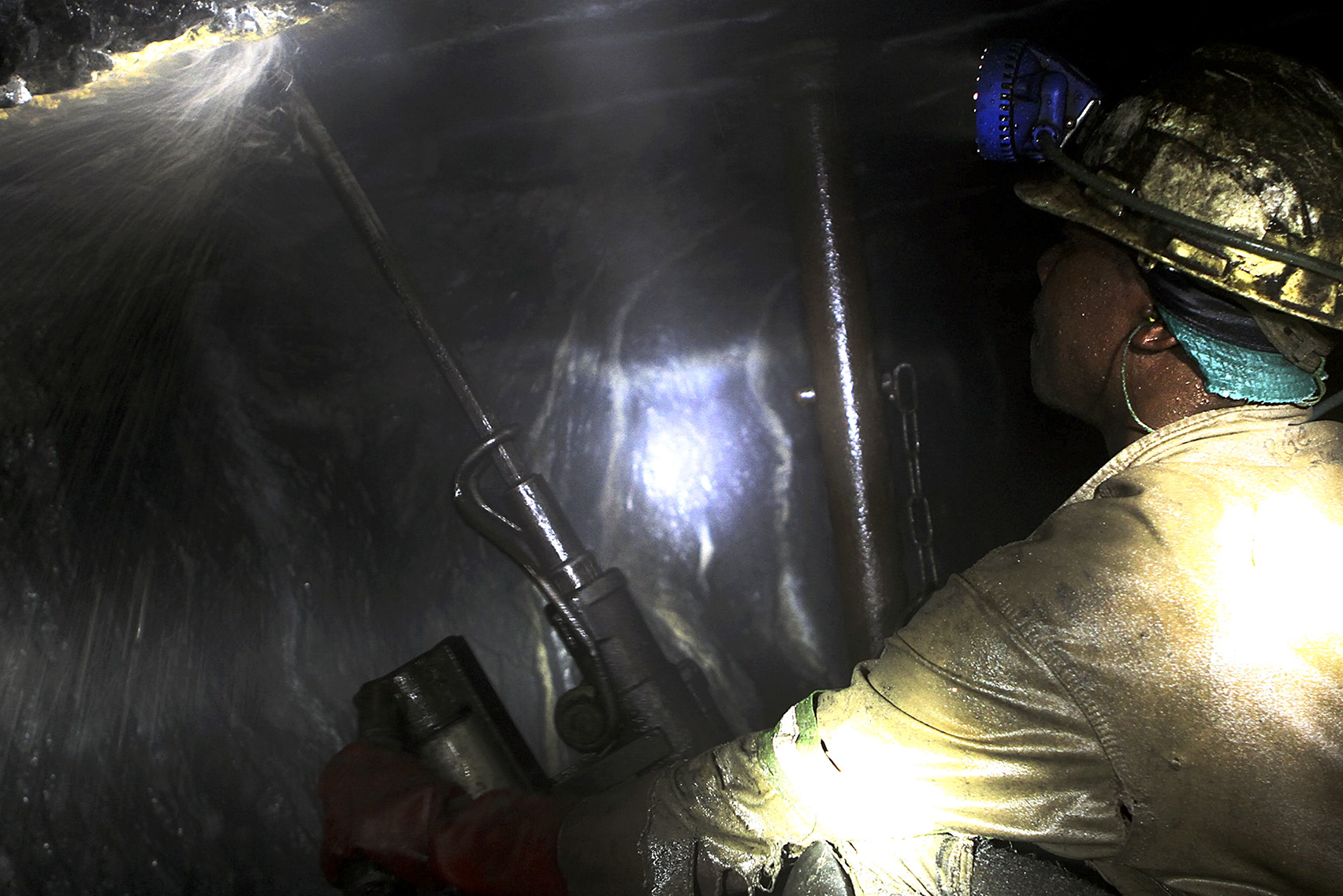
As Zambia prepares for next week’s general elections, the country’s mining industry is looking beyond the political contest to the future of one of Africa’s most important copper sectors.
With more than US$10 billion invested in mining projects over the past four years and copper prices reaching record highs, industry leaders say the country’s long-term success will depend on whether the next government maintains policy stability while accelerating reforms needed to unlock new production.
Copper remains central to Zambia’s economy, contributing approximately 9% of gross domestic product, generating around 72% of export earnings and accounting for nearly half of government revenue.

Targeting Three Million Tonnes Of Copper Production
Zambia has set an ambitious goal of increasing annual copper production to 3 million tonnes over the next decade—almost three times current output—as global demand continues to surge.
The rapid expansion of electric vehicles, renewable energy infrastructure, power transmission networks and data centres has driven copper prices up by more than 40% over the past year, creating a significant opportunity for major producers.
Mining companies believe Zambia is well positioned to benefit from this global demand, provided investment conditions remain favourable and critical infrastructure is expanded.
Industry Calls For Continued Mining Reforms
Mining executives say achieving the country’s production target will require sustained investment in mineral exploration, electricity generation, transport infrastructure and domestic mineral processing.
Industry leaders are also urging government to introduce stronger incentives for value addition so that more copper is processed locally rather than exported as raw material.
They have further called for improvements to mining licensing systems to encourage active exploration and prevent companies from holding mineral rights without developing projects.
Greater regulatory certainty and more effective dispute-resolution mechanisms are also viewed as essential for attracting long-term investment.
Investment Momentum Strengthens Sector
Since 2021, Zambia’s mining industry has attracted more than US$10 billion in new investment, supported by policy reforms, tax adjustments and improved engagement between government and mining companies.
According to the Zambia Chamber of Mines, continued investment in greenfield exploration will be essential if the country is to sustain production growth over the coming decades.
Industry representatives have stressed that exploration licences should be allocated to companies with the financial and technical capacity to develop mining projects and discover new deposits.
Several international mining companies, including First Quantum Minerals, Barrick Mining and Vedanta Resources, have expanded their operations or renewed investment commitments in Zambia as the country strengthens its position within the global critical minerals supply chain.
Power Supply Remains The Biggest Challenge
Despite growing investor confidence, inadequate electricity generation remains one of the mining sector’s most pressing constraints.
Recent drought-related power shortages exposed Zambia’s heavy dependence on hydroelectric generation, disrupting mining operations and highlighting the need to diversify the country’s energy mix.
Industry estimates suggest that Zambia requires at least 2,000 megawatts of additional generating capacity to support planned mine expansions and future processing facilities.
Mining companies have also highlighted rising labour costs and wage pressures as factors that could affect the competitiveness of future projects.
Election Seen as a Vote On Policy Continuity
More than eight million Zambians are expected to vote on 13 August to elect a president, members of parliament and local government representatives.
Political observers generally expect President Hakainde Hichilema to secure a second term, a result many investors believe would provide continuity for the economic reforms and mining policies introduced since 2021.
For the mining industry, the election represents more than a political milestone. It will help determine whether Zambia can convert strong global demand, record investment and favourable copper prices into sustained production growth, greater local value addition and long-term economic development.
If supported by continued policy certainty, expanded infrastructure and increased exploration, Zambia’s ambition of producing three million tonnes of copper annually could significantly strengthen its position as one of the world’s leading suppliers of a mineral critical to the global energy transition.
Share this content: