US DFC Funds African Rare Earth Projects As Private Investment Remains Limited

The U.S. International Development Finance Corporation (DFC) is supporting a pipeline of African rare-earth projects as private investors remain reluctant to finance the sector, according to two senior DFC executives.
The agency has committed $62.8 million to rare-earth projects in Malawi, Angola, Madagascar and South Africa, although none has yet reached production.
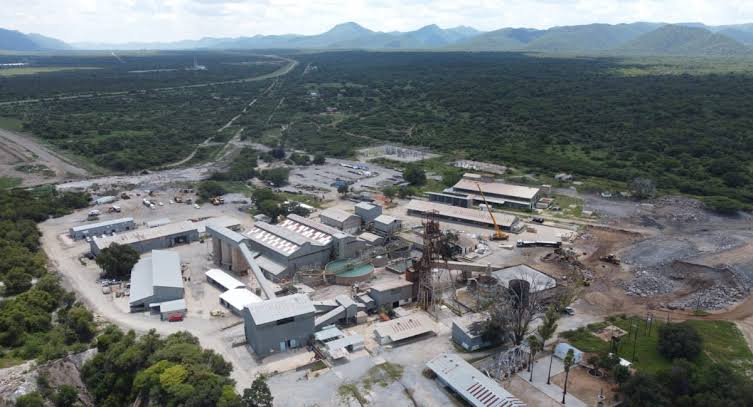
Around $50 million of the funding is supporting the Phalaborwa project in South Africa, backed by Dublin-based mining investor TechMet.

The DFC said its funding aims to help projects reach a less risky stage and attract private-sector investment.
Strategic Minerals Race
The move reflects growing U.S. efforts to develop alternative critical-mineral supply chains and reduce dependence on China, which dominates global rare-earth processing and has tightened export controls in recent years.
Rare earths are essential for permanent magnets used in electric vehicles, wind turbines and defence technologies, making secure supplies increasingly important to major economies.
DFC officials said private investors remain cautious about African rare-earth projects because of their higher risk profiles and concerns that Chinese market intervention could weaken prices and project economics.
Analysts have also questioned the commercial viability of some proposed projects, with announced supply potentially exceeding demand for neodymium-praseodymium (NdPr) magnets.
De-Risking African Projects
The DFC’s approach is to provide early-stage financing that can help projects overcome development risks and become more attractive to commercial investors.
Africa represents roughly 20% to 25% of the DFC’s global investment portfolio, highlighting the continent’s growing importance in U.S. efforts to diversify critical-mineral supply chains.
For African producers, increased U.S. involvement could provide financing and strategic partnerships needed to advance rare-earth projects, although attracting sustained private investment will remain critical to bringing them into production.
Share this content: