Copper Price Run Signals Deeper Supply Squeeze
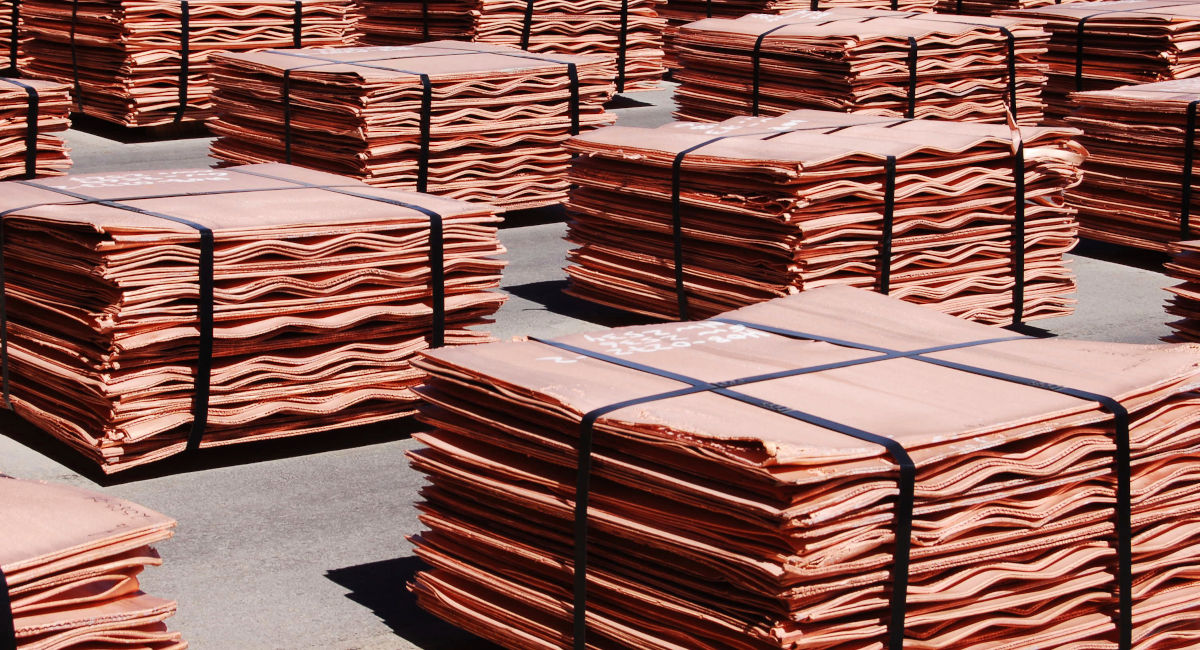
Copper’s roughly 50% rise over the past year increasingly points to a structural supply squeeze rather than a traditional commodities cycle, according to Sprott Asset Management analyst Jacob White.
Copper recently reached about $14,545 per tonne, supported by mine-supply concerns and rising demand from power grids, artificial intelligence, defence and energy infrastructure.
White said copper is increasingly moving beyond the traditional industrial cycle, with demand being driven by long-term infrastructure and government-backed investment rather than short-term economic activity.

Copper Concentrate Shortage
Supply constraints are emerging across the copper market. Mine production has fallen short of expectations, while treatment and refining charges have collapsed as smelters compete for limited copper concentrate.
Spot treatment charges fell below -$150 per tonne, compared with more than $90 in late 2023. The reversal of more than $240 highlights the severity of the concentrate shortage.
Despite deeply negative treatment charges, many smelters have remained profitable because of revenue from sulphuric acid, gold and silver by-products and other products.
This has allowed them to continue competing for concentrate, strengthening miners’ negotiating position.
US Tariffs Reshape Copper Flows
Potential US tariffs are adding pressure to global copper availability by attracting refined metal into the United States.
More than 200,000 tonnes of refined copper arrived at US ports in July, the largest monthly inflow recorded since 2014.
The uncertainty over future tariffs has encouraged traders to move copper into the US ahead of possible duties, reducing availability in other markets.
London Metal Exchange inventories have subsequently fallen, while nearby contracts have moved deeper into backwardation, indicating stronger demand for immediately available metal.
However, tariffs are amplifying rather than creating the underlying shortage. They cannot reverse declining ore grades, increase mine output or accelerate projects that can take more than a decade to develop.
New Copper Supply Remains Years Away
Chile, the world’s largest copper producer, has lowered its production forecasts following weaker-than-expected output.
Major operations face declining grades, ageing infrastructure, water constraints and rising investment requirements. Mine disruptions also remained above their long-term average in 2024 and 2025.
Higher prices could encourage new investment, but major copper mines can take 15 to 20 years to develop. Much of the current project pipeline will also need to replace declining production before it creates meaningful additional supply.
AI Adds To Long-Term Demand
Artificial intelligence is emerging as another important source of copper demand.
BHP estimates that copper consumption from data centres could increase sixfold, from around 500,000 tonnes annually to 3 million tonnes by 2050.
The impact extends beyond data centres themselves. Their growing electricity requirements will require additional investment in power generation, substations and transmission networks, creating further demand for copper.
BHP expects total global copper demand to rise by around 70% to more than 50 million tonnes annually by mid-century.
Sprott argues that copper demand is tightening before power-related consumption reaches its full potential, increasing pressure on an already constrained supply market.
Structural Supply Squeeze
Record copper prices are therefore signalling the need for substantially more investment rather than indicating that the supply problem has been resolved.
BHP estimates the world could require about 10 million tonnes of additional copper supply by 2035 to balance rising demand.
For producers, the combination of scarce concentrate and high copper prices is particularly favourable, improving margins and strengthening their bargaining power with smelters.
While short-term volatility is likely after copper’s rapid rise, the combination of constrained mine supply, lengthy project development timelines and growing power-related demand points to a market increasingly shaped by structural rather than cyclical forces.
Share this content: