Zambia Looks to Ghana’s Gold Model to Unlock $1.8 Billion Small-Scale Mining Opportunity

Zambia is looking to Ghana’s approach to formalising artisanal and small-scale gold mining as it seeks to bring more of the country’s informal gold production into the official economy and potentially unlock up to $1.8 billion in value.
The strategy is being driven by state-owned mining investment company ZCCM Investments Holdings, which believes formalising the small-scale sector could significantly increase Zambia’s recorded gold production and strengthen the country’s position in the regional gold trade.
The scale of the opportunity is highlighted by a major discrepancy in Zambia’s gold trade figures. World Integrated Trade Solution data indicates that the United Arab Emirates reported importing almost $1.8 billion worth of Zambian gold in 2023, while Hong Kong recorded a further $108 million. By comparison, Zambia’s central bank reported official gold exports worth less than $128 million during the same year.

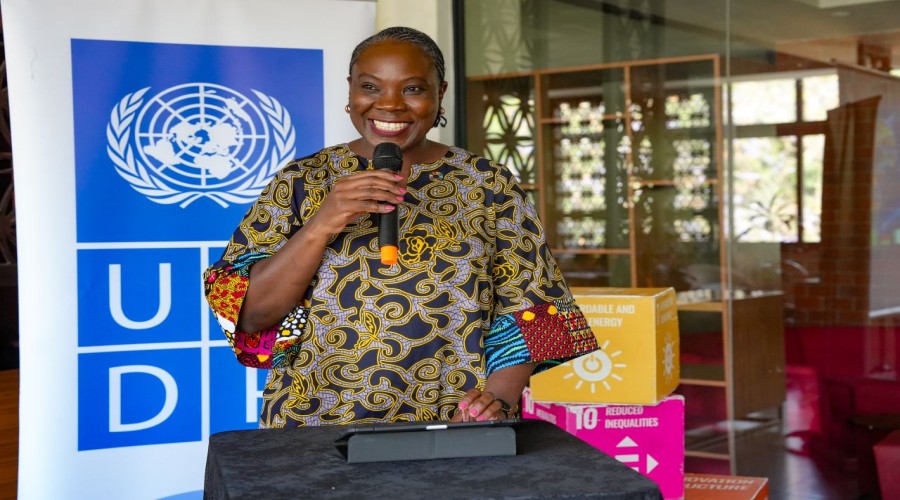
ZCCM CEO Kakenenwa Muyangwa said bringing informal producers into structured supply chains could substantially increase official gold volumes. Zambia produced about 127,000 ounces of gold in 2025, but ZCCM believes annual output could eventually rise to several hundred thousand ounces as more artisanal production enters the formal market.
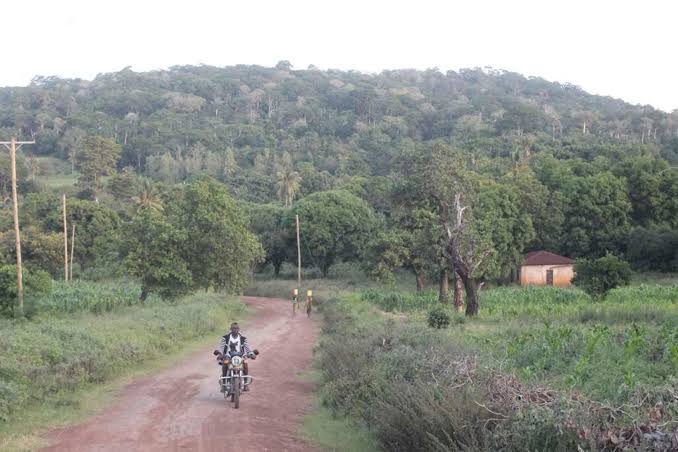
ZCCM has already begun building the infrastructure for this transition. The company is working with Mining Mineral Resources SAS to purchase gold from artisanal miners in North-Western Province and operates a similar arrangement through Kamunshinshi Mineral Resources. It has also established a commercial gold trading unit to source gold from producers across other parts of Zambia.
Ghana provides the model for the proposed transformation. The country has been working to bring large volumes of artisanal and small-scale mining gold into official channels through reforms involving the Ghana Gold Board. The initiative aims to capture more foreign-exchange earnings while reducing gold losses associated with smuggling and informal trade.
Ghana’s experience demonstrates both the potential and challenges of formalisation. Although artisanal and small-scale mining can be legally conducted under licences, the sector has also been associated with illegal and environmentally damaging mining, commonly known as galamsey. Greater oversight, traceability and formal purchasing systems are therefore central to capturing the sector’s economic value while addressing environmental concerns.
For Zambia, formalising small-scale gold mining could improve revenue collection, strengthen gold traceability and create a more organised supply chain linking miners to official buyers and international markets. The government’s challenge will be ensuring that the expansion of gold production translates into greater domestic economic value rather than simply increasing the volume of minerals leaving the country.
Share this content: