Malawi’s Mining Sector Offers Economic Opportunities but Faces Major Challenges
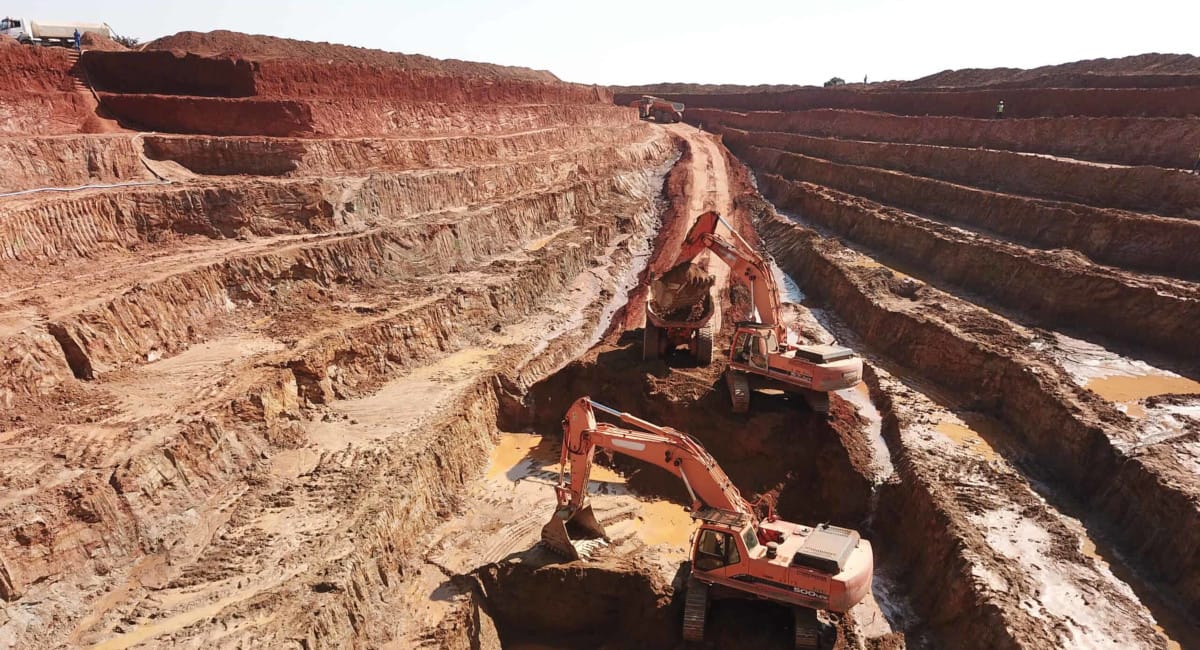
Malawi’s emerging mining sector could transform the country’s economy as investors target rare earths, rutile, graphite and other critical minerals. However, experts warn that stronger institutions, local participation and domestic mineral processing will be essential if the country is to turn its mineral wealth into broad-based economic growth.
The southern African nation has traditionally relied on agriculture, aid and exports such as tobacco, tea and sugar. Mining currently contributes about 1% of gross domestic product (GDP), but the sector could become a major source of foreign exchange, skilled employment and industrial development.
Kasiya Project Highlights Malawi’s Mineral Potential

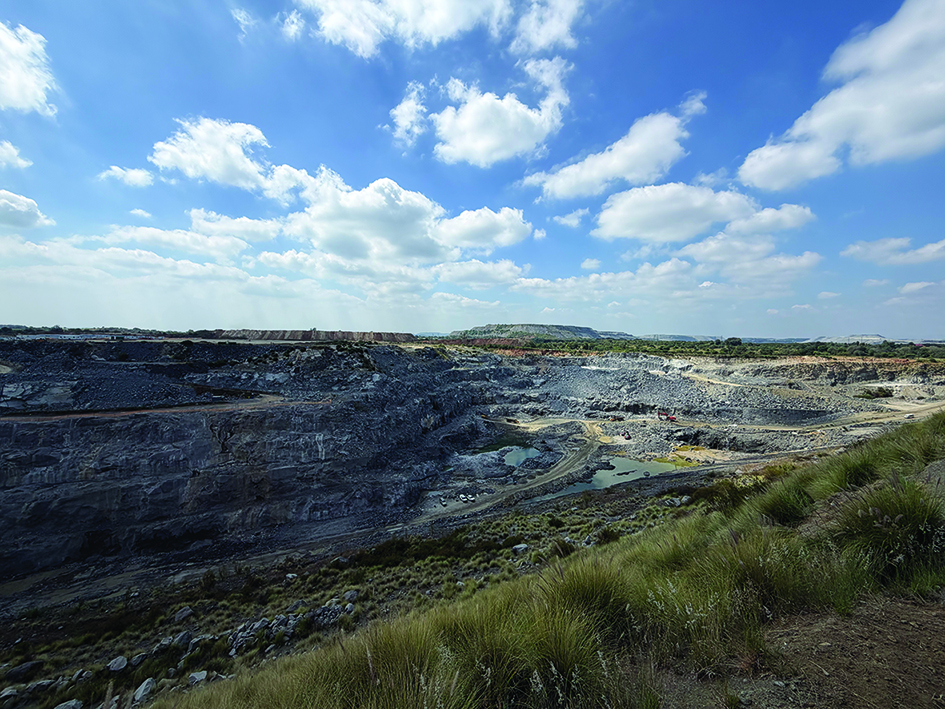
Australian companay Sovereign Metals is advancing the Kasiya critical minerals project in central Malawi.
The project is focused on rutile, a mineral used in titanium production, and graphite, which is an important material in lithium-ion batteries. Sovereign Metals says Kasiya hosts one of the world’s largest natural rutile deposits and a significant graphite resource.
Local leaders and communities have high expectations that the project will improve infrastructure and social services. However, concerns over land ownership and resettlement highlight the need for responsible development and meaningful community engagement.
Other companies are also exploring Malawi’s mineral potential. Projects targeting rare earths in the south, additional rare earth deposits and the revival of a long-dormant uranium mine could further expand the country’s mining industry.
Mining Could Transform Malawi’s Economy
According to figures cited in the report, the World Bank estimates that mining could account for approximately 12% of Malawi’s GDP by 2027. Mineral exports could generate as much as US$30 billion cumulatively between 2026 and 2040, with annual revenues potentially approaching US$3 billion by 2034.
Economists believe mining could help Malawi diversify beyond agriculture, create skilled jobs and strengthen foreign exchange earnings.
However, these projections depend on successful project development, reliable infrastructure, favourable investment conditions and effective government oversight.
Government Seeks Greater Control and Local Benefitsa
Malawi has taken steps to increase its participation in the mining industry. A 2023 law removed the previous 10% ceiling on state participation in mining projects.
The government also plans to establish a state mining company that would support exploration, joint ventures and mineral beneficiation—the processing of raw minerals into higher-value products.
Developing local expertise will be equally important. Mining specialists say Malawi needs more geologists, mining engineers, legal professionals and other skilled workers capable of supporting the industry and negotiating stronger investment agreements.
Improved geological mapping could also help the government better understand its mineral resources and secure more favourable terms with investors.
Avoiding Africa’s Extractive Mining Trap
Experts warn that Malawi risks repeating a familiar pattern in Africa, where countries export valuable raw minerals while retaining limited economic benefits.
Africa holds an estimated 30% of the world’s critical mineral reserves, including cobalt, copper, lithium, nickel and rare earths. Yet many countries still have limited processing capacity and struggle to develop industries around their mineral resources.
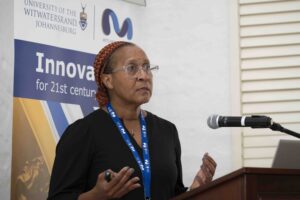
Deprose Muchena of the Open Society Foundations said Malawi has a limited opportunity to convert its mineral discoveries into long-term economic development.
For the country to benefit fully, mining projects must be integrated into the wider economy through local procurement, skills development, domestic processing and industrial investment.
Share this content: