Solar Industries’ R21.8 Billion Omnia Deal Expands India’s Mining Footprint In Africa
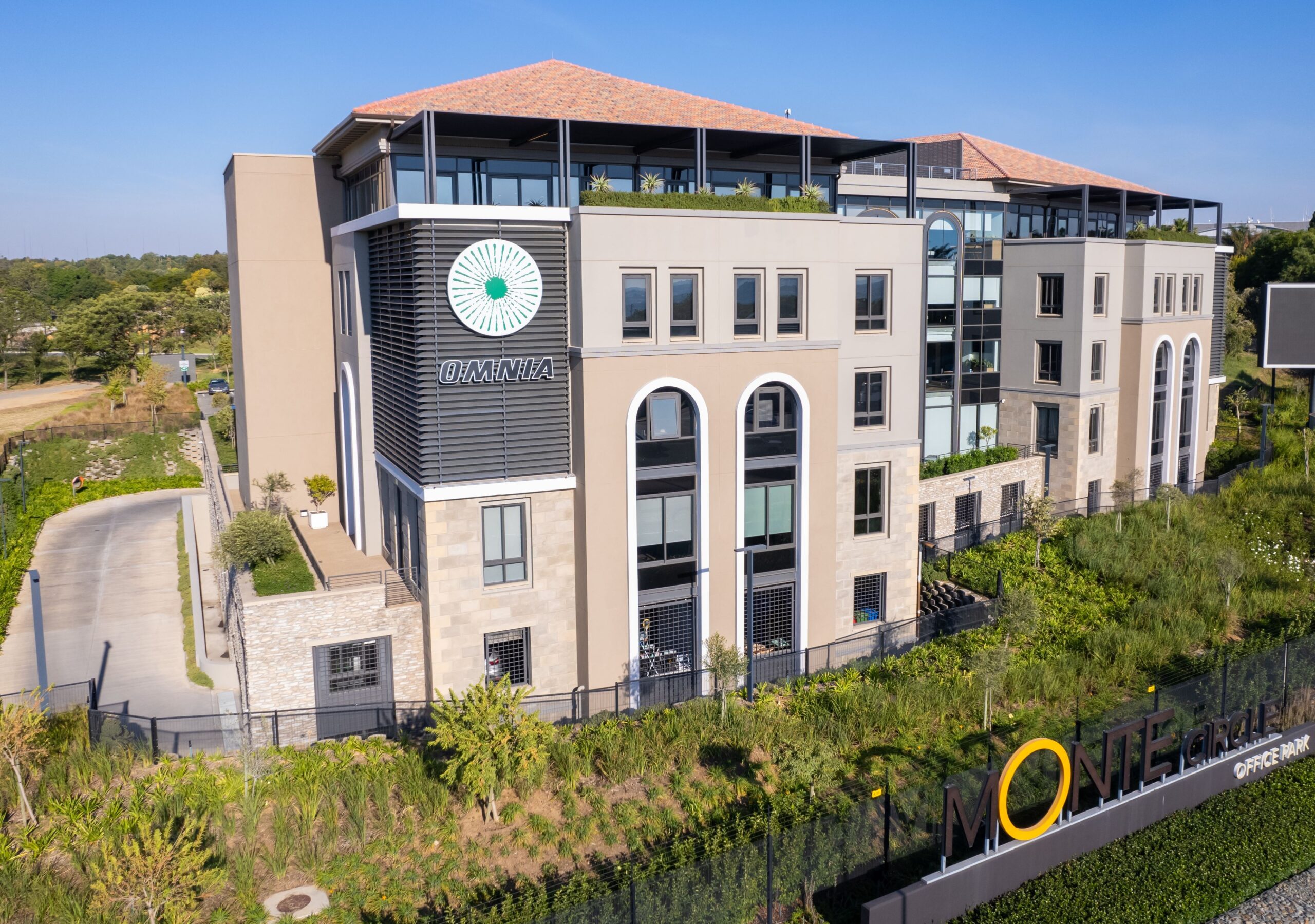
India’s Solar Industries is set to significantly expand its presence in Africa’s mining and agricultural supply chains after agreeing to acquire South African fertilizer and industrial explosives producer Omnia Holdings for R21.8 billion.
The all-cash transaction, announced on September 14, values Omnia at R134.50 per share, representing a 14.3% premium to its September 11 closing price of R117.67. The deal remains subject to shareholder and regulatory approvals and, if completed, is expected to result in Omnia being delisted from the Johannesburg Stock Exchange and A2X Markets.
The acquisition would bring together two companies with substantial exposure to mining explosives and industrial chemicals, while giving Solar Industries access to Omnia’s agricultural-input operations, manufacturing infrastructure and international distribution network.

For Solar Industries, the deal provides more than a larger African footprint. Omnia’s mining business, BME, supplies bulk and packaged explosives, initiating systems, mining chemicals and digital blasting technologies to mining, quarrying and construction customers.
A major attraction is Omnia’s vertical integration. At its Sasolburg operations, the company converts ammonia into nitric acid and subsequently ammonium nitrate, an important input for both fertilizer production and industrial explosives. Omnia operates two nitric acid facilities at Sasolburg, including a plant capable of producing approximately 1,000 tonnes of nitric acid per day.
This integration could give Solar greater control over critical chemical inputs and strengthen supply-chain resilience in a sector where the availability and cost of raw materials can have a direct impact on mining operations.
The transaction comes as South Africa’s mining industry remains a major contributor to the economy while facing persistent operational challenges. Mining contributed approximately 6.3% of South Africa’s GDP in 2025, with gross value added of about R477 billion. Mining production subsequently declined 7.5% year-on-year in July 2026, underlining the difficult operating environment facing producers.
Against this backdrop, reliable access to explosives, chemicals and other mining inputs has become increasingly important for maintaining production and controlling costs.
Solar Industries has been building its African operations for more than a decade. The company established a manufacturing facility in Zambia in 2010 before expanding into markets including South Africa, Ghana, Nigeria and Tanzania. Its acquisition of Problast BS in 2024 further strengthened its South African blasting-services operations.
Omnia would add significant scale to that existing network. The South African company operates in more than 20 countries and distributes its products into more than 40 markets through more than 70 distribution centres.
The deal also gives Solar greater exposure to Africa’s agricultural-input market. Omnia’s Nutriology business combines fertilizer products with soil analysis, agronomic advice and crop-specific recommendations. The company also operates an ISO 17025-accredited soil-testing laboratory, providing data and technical services to agricultural customers.
This diversification could prove strategically important as African economies seek to increase agricultural productivity while reducing dependence on imported food and agricultural inputs. Fertilizer availability, in particular, remains closely linked to crop yields, food security and the development of commercial agriculture.
Omnia enters the proposed transaction from a position of financial strength. For the financial year ended March 2026, the company reported a 6% increase in revenue to R24.2 billion, while operating profit increased 28% to R2.17 billion. EBITDA rose 21% to R2.78 billion, with the group also maintaining a strong net cash position.
The company has simultaneously invested in technologies aimed at reducing the environmental impact of its operations. These include emissions-mitigation technology at its nitric acid facilities, while BME has developed lower-temperature explosive products intended to reduce emissions intensity.
For South Africa, however, the proposed takeover raises broader questions around ownership and the future of strategically important manufacturing capacity. If approved, Omnia would move from being a JSE-listed South African industrial group to becoming part of an Indian multinational with a global explosives business.
The transaction comes as South Africa seeks greater investment, manufacturing capacity and value addition within its mining industry. Government has identified mining as a key pillar of economic activity while promoting exploration, beneficiation and investment. At the same time, mining companies continue to contend with challenges involving energy, logistics, infrastructure and regulatory certainty.
For Solar Industries, combining its explosives and mining-services operations with Omnia’s chemical manufacturing, fertilizer business and distribution network could create a broader industrial platform spanning chemical production, mining explosives, blasting services and agricultural inputs.
The R21.8 billion transaction therefore represents more than a conventional cross-border acquisition. It reflects the growing interest of international industrial groups in African assets that provide access to manufacturing capacity, natural-resource industries, agricultural markets and established regional supply chains.
If completed, the acquisition would give Solar Industries a substantially larger African platform and place Omnia’s mining, fertilizer and chemical capabilities under Indian ownership. Its longer-term impact will depend on how successfully the businesses are integrated and whether the combination results in greater manufacturing capacity, stronger supply chains, technology transfer and deeper participation in Africa’s mining and agricultural value chains.
Share this content: