West Africa’s Gold Potential Draws Mining Investment Despite Higher Risks
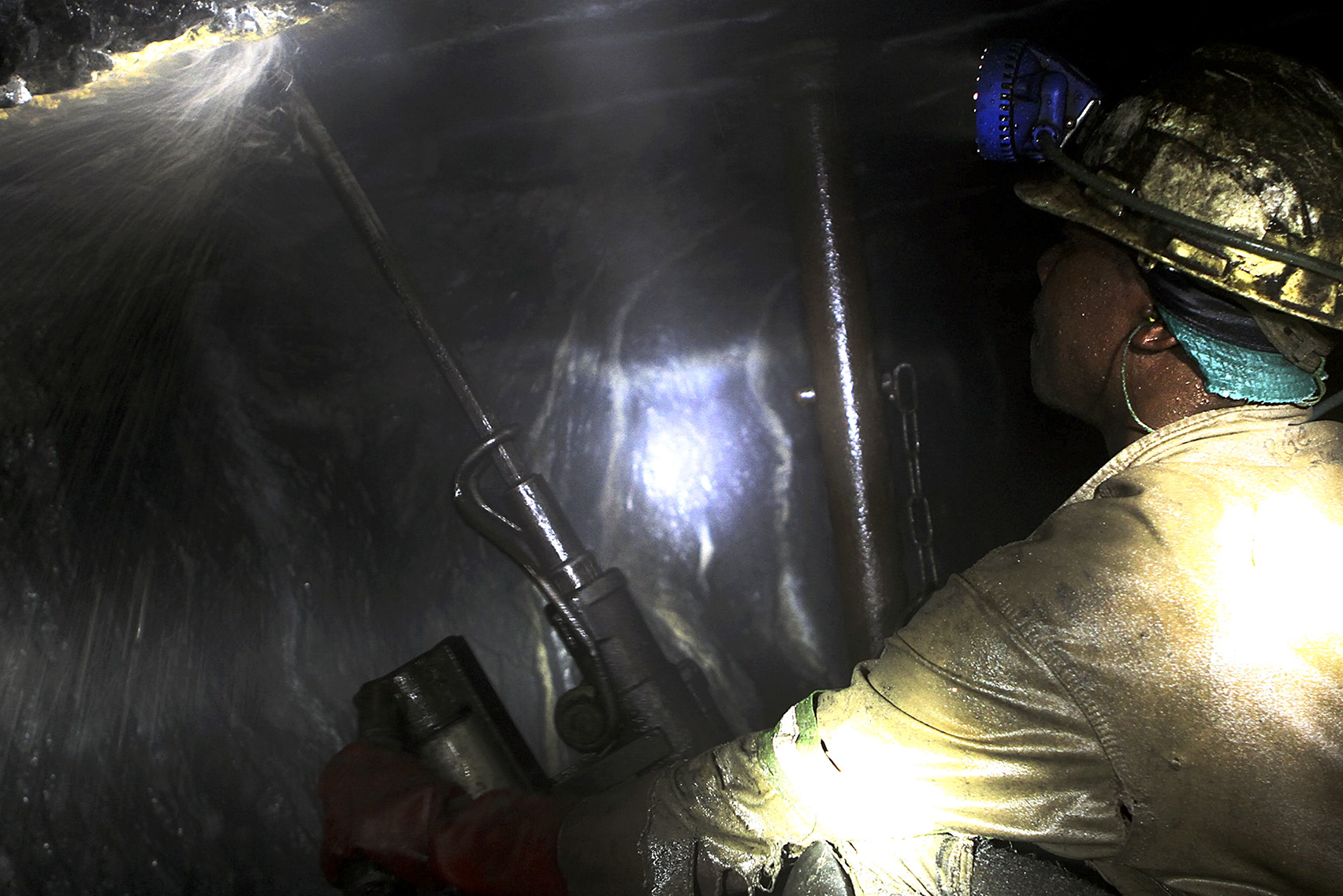
West Africa is becoming increasingly important to global precious metals producers, with its substantial gold resources and relatively fast mine development timelines attracting mining companies despite higher geopolitical and operational risks.
Fortuna Mining CEO Jorge Ganoza said West Africa’s mineral endowment and the ability to permit and develop mines relatively quickly make the region an important part of the company’s long-term strategy.
“If you want to be a force in precious metals you have to be in West Africa,” Ganoza said during an interview on The Northern Miner podcast.

West African countries collectively produce more gold than China, highlighting the scale of the region’s mining industry and its importance to global gold supply.
Fortuna operates two mines in West Africa and two in Latin America, with the company maintaining a strategy of investing in jurisdictions where the potential mineral returns justify the associated risks.
Ganoza said the company deliberately operates in regions where geopolitical risks can be higher, but seeks to balance those risks against the size of mineral deposits and the speed at which projects can be permitted and developed.
Fortuna’s approach also involves shifting capital between jurisdictions as investment conditions change. The company maintains a diversified portfolio across Latin America and West Africa to manage exposure to individual countries and changing operating environments.
The company recently expanded its West African portfolio through the acquisition of the Bambadji gold project in Senegal from Barrick Mining and IAMGOLD.
According to Ganoza, some of the immediate development challenges at Bambadji are linked less to security and more to competition for skilled workers, contractors and equipment as mining companies across the region accelerate project development.
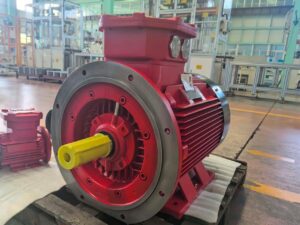
Access to power equipment has become a particular challenge. Mining companies are competing with rapidly expanding data-centre infrastructure for power generators, creating additional pressure on equipment availability and delivery times.
“The most critical equipment were power generators,” Ganoza said, noting that demand is increasingly being driven by data-centre development and artificial intelligence infrastructure.
The competition means mining companies may need to secure critical equipment well ahead of construction schedules. Ganoza said Fortuna placed generator orders early because of the pressure on global supply.
The equipment constraints illustrate the broader infrastructure challenges facing mining developments as investment accelerates across mineral-rich African jurisdictions.
For West African gold producers and developers, the combination of strong mineral resources and growing investment interest is creating opportunities for further mine development. At the same time, companies must navigate geopolitical exposure, labour availability, infrastructure requirements and increasingly competitive global equipment markets.
Fortuna’s strategy reflects the wider importance of balancing geological potential with the practical conditions required to develop and operate mines. As gold exploration and development continue across West Africa, access to skilled labour, reliable power and critical equipment will remain important factors in determining how quickly new projects can move forward.
Share this content: