Côte d’Ivoire Targets West African Gold Leadership as Mining Sector Expands
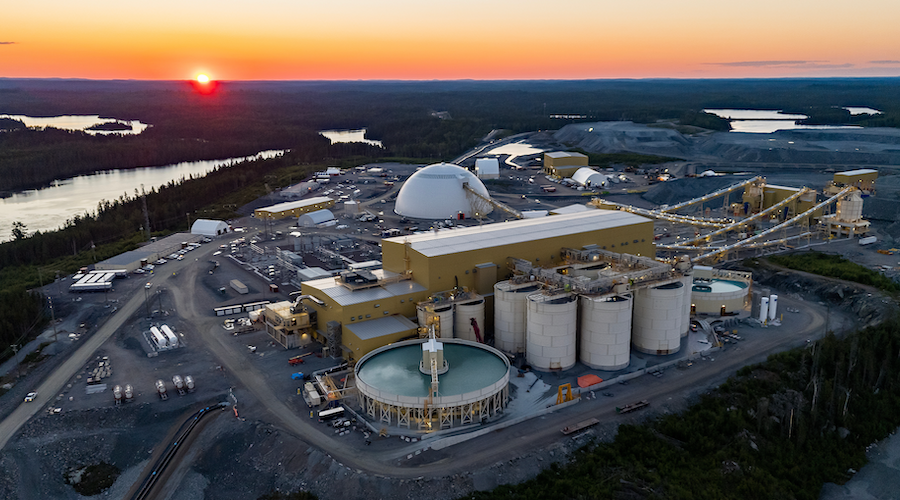
Côte d’Ivoire is rapidly expanding its gold mining industry as the world’s largest cocoa producer seeks to diversify government revenues and reduce its reliance on agriculture.
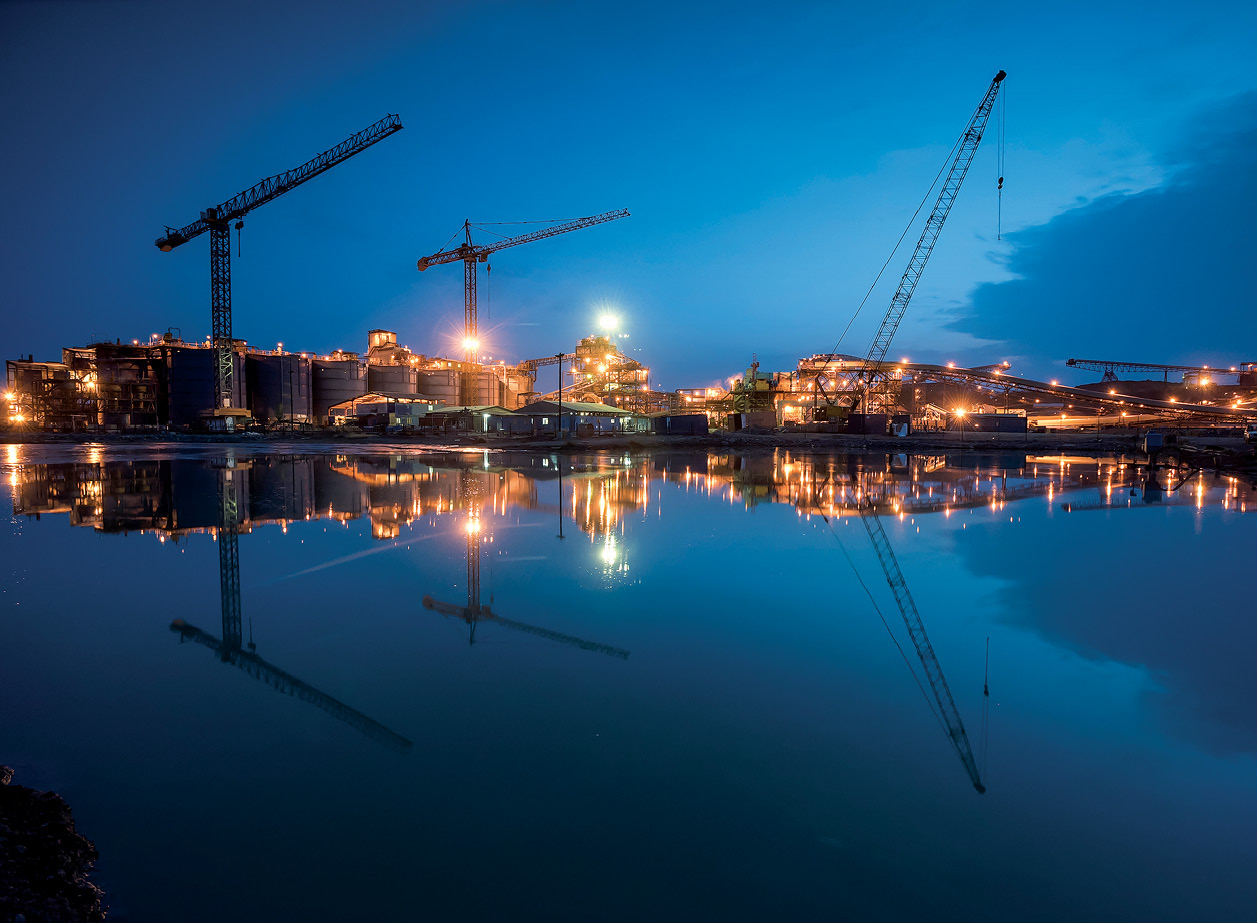
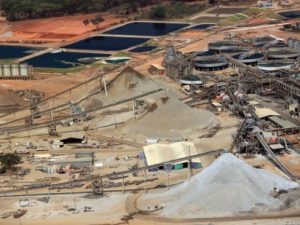
The country has significantly increased its mining activity over the past decade, with the number of operational gold sites rising from four in 2015 to 13 in 2024. National gold production climbed from 23.54 tonnes to more than 59 tonnes during the same period, representing an increase of more than 150%.
New projects are expected to push production higher. Endeavour Mining’s Lafigué mine is projected to lift Côte d’Ivoire’s annual gold output to about 62 tonnes, strengthening its position among West Africa’s major producers.

The expansion forms part of a broader government strategy to build the mining sector as a second major pillar of the economy alongside cocoa and other agricultural commodities.
Targeting Mali and Burkina Faso
Côte d’Ivoire has set an ambitious 2035 target to overtake neighbouring Mali and Burkina Faso in gold production before eventually challenging Ghana for the position of Africa’s leading producer.
Mali produced an estimated 82.9 tonnes of gold in 2025, while Burkina Faso recorded approximately 94 tonnes, according to figures cited in the source report. Côte d’Ivoire’s current production remains below both countries.
The competitive landscape is also being shaped by changing political and economic relationships across the Sahel. Mali and Burkina Faso have strengthened ties with Russia following military takeovers and a deterioration in relations with several traditional Western partners.
In Burkina Faso, gold accounts for a significant share of state revenue, while Russian mining companies have also secured opportunities in the country. One example is Nordgold’s Niou project, which was granted an industrial mining licence and is expected to produce more than 20 tonnes of gold over eight years, according to reported government documents.
Mali is similarly seeking to increase the value captured from its gold resources. The government has been developing a large gold refinery near Bamako in partnership with Russia’s Yadran Group, with a reported capacity of 200 tonnes.
Africa’s gold production continues to grow
Côte d’Ivoire’s ambitions come as Africa maintains a significant position in global gold production.
Ghana remains the continent’s largest producer, with 187.3 tonnes recorded in 2025, according to figures cited from the World Gold Council. Globally, Ghana ranked behind China, Russia, Australia, Canada and Peru.
China produced 384.3 tonnes, followed by Russia with 345 tonnes, Australia with 293.2 tonnes, Canada with 213.3 tonnes and Peru with 208.9 tonnes. The United States produced 157 tonnes.
Côte d’Ivoire’s 59.2 tonnes placed it 20th globally in 2025, leaving considerable room for further growth as new mines come online and exploration expands.
For Côte d’Ivoire, the development of gold mining represents more than an increase in mineral production. It is part of a broader effort to diversify national income, attract mining investment and strengthen the country’s position within West Africa’s increasingly competitive gold industry.
Share this content: