US Development Finance Agency to Expand Equity Investments in Africa’s Critical Minerals Sector
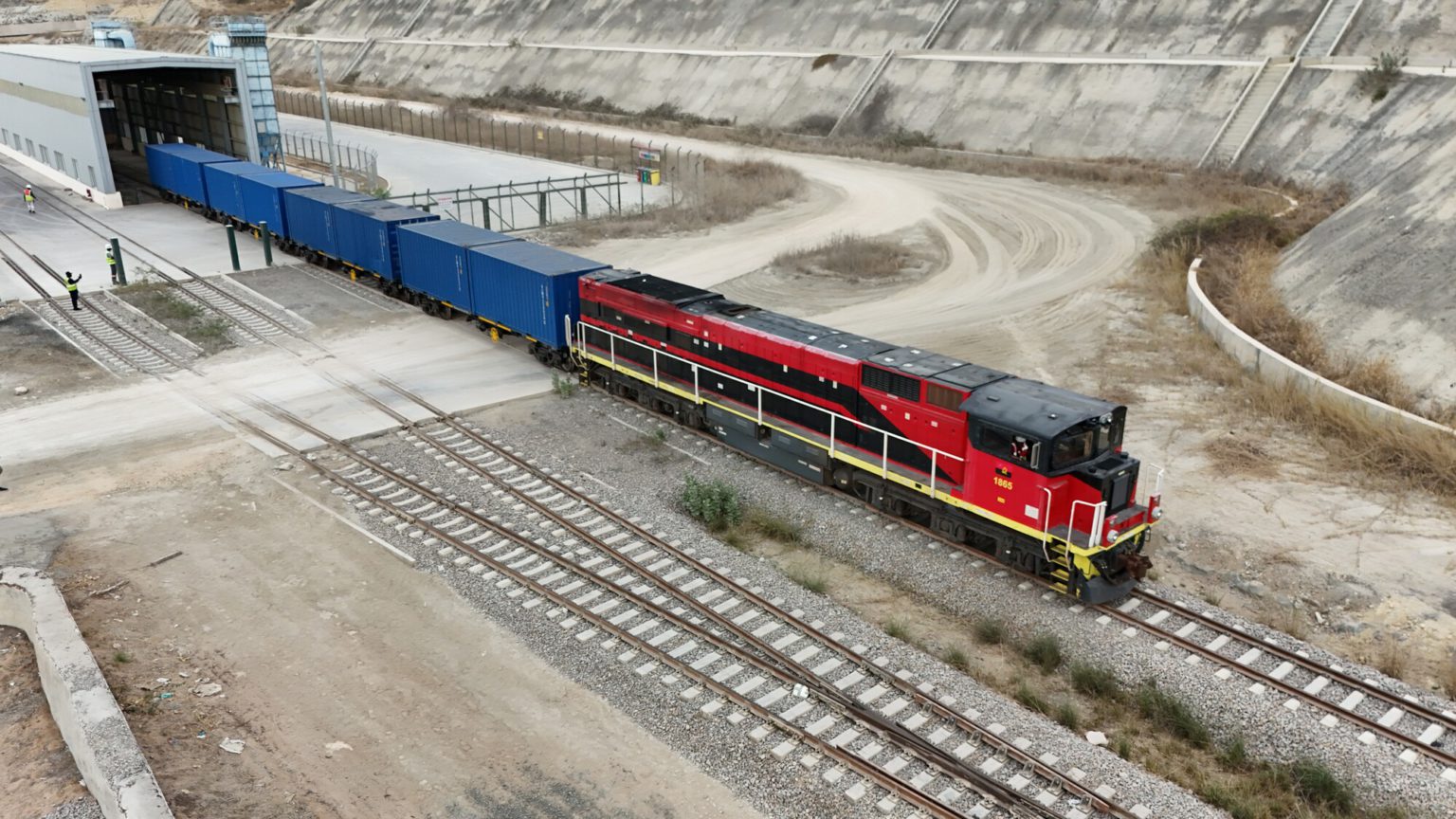
Lobito Atlantic Railway. (Credit: Trafigura)
The US International Development Finance Corporation (DFC) plans to increase its direct equity investments in Africa, including projects linked to critical minerals, as Washington seeks to diversify global supply chains and reduce dependence on China.
Vibhuti Jain, the DFC’s regional managing director for Africa, told Reuters that the agency would increasingly consider equity financing alongside, or instead of, other financial instruments for strategically important projects.

“ You will see us deploy equity in addition to or in place of other instruments,” Jain said, adding that the agency already has several potential equity investments in its pipeline, including projects in Africa’s critical minerals sector. She did not disclose further details.
The DFC, the US government’s principal development finance institution, currently relies more heavily on debt financing, credit guarantees and political risk insurance than direct equity investments. Jain said these instruments would continue to account for a larger share of its activities for the foreseeable future, although equity investments are expected to grow as the agency expands.
The shift comes amid intensifying international competition for minerals used in electric vehicle batteries, renewable energy technologies and advanced manufacturing. The United States and other major economies are seeking to establish alternative supply chains for materials currently dominated by Chinese producers and processors.
According to the DFC, its investment commitments across Africa exceed $14 billion, with more than $3 billion directed towards critical minerals projects. Jain described the sector as a major driver of new investment activity.
The agency is supporting a pipeline of African projects that includes rare earth developments and a graphite mine in Mozambique. These investments could contribute to diversifying supplies of minerals needed for energy technologies and industrial applications.
The DFC is also backing the rehabilitation of the Lobito transport corridor, which links copper and cobalt mining regions in Central Africa to the Atlantic coast. The corridor is intended to improve the movement of minerals to international markets and strengthen regional transport infrastructure.
In September 2026, the agency announced an investment of up to $155 million in WIOCC, an African digital infrastructure provider. The commitment was described as the largest equity investment in the DFC’s history, demonstrating the agency’s willingness to take direct ownership stakes in strategically important businesses.
For African mineral-producing countries, increased equity investment could provide another source of capital for developing mining operations, processing facilities and supporting infrastructure. Equity participation can also allow development finance institutions to share in the commercial risks of projects rather than relying exclusively on loans and guarantees.
However, the scale and structure of future investments will depend on individual projects and the DFC’s assessment of their strategic and commercial value.
As competition for critical minerals intensifies, the agency’s expanding investment approach highlights the growing importance of African resources to international supply-chain strategies. The challenge for African governments will be to translate rising investor interest into domestic processing capacity, infrastructure development and broader economic benefits.
Source: Reuters, 9 October 2026.
Share this content: