Mauritania’s First Uranium Mine Advances Despite Funding and Security Challenges
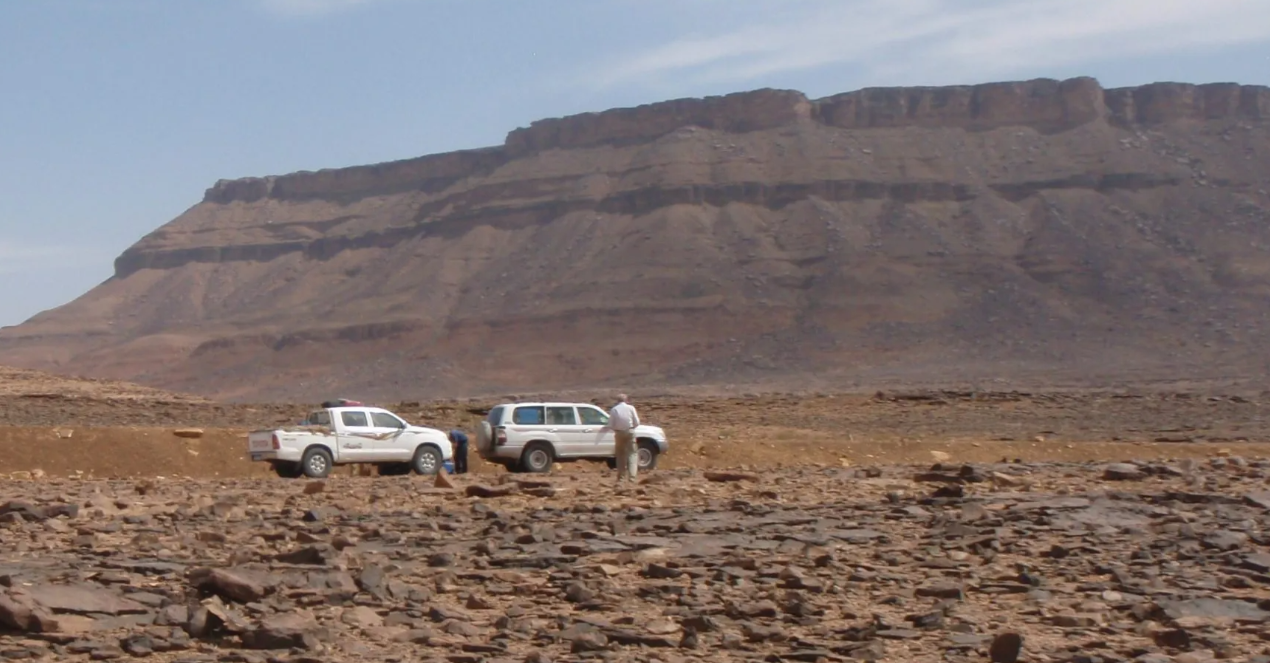
Aura Energy is moving closer to developing Mauritania’s first uranium mine after a bankable feasibility study confirmed the potential of its Tiris uranium project, despite rising construction costs, funding requirements and security concerns in the country’s northern region.
The study values the project at approximately $500 million and estimates construction costs at $350 million, a 52% increase from previous projections. Tiris is expected to generate a post-tax internal rate of return of 28%, down from earlier estimates, even with the assumed uranium price increasing by 12% to $90 per pound.
Located approximately 1,100 kilometres northeast of Nouakchott, the project lies in the Tiris Zemmour region, an area with significant mineral potential but elevated security risks. Security arrangements will require close coordination with Mauritania’s army, while engagement with local communities will be important, particularly regarding water resources and radiation safety.

Aura Energy Executive Chair Philip Mitchell said Tiris could establish a new uranium-producing region in Mauritania at a time when global demand for uranium is increasing.
Funding Remains a Key Hurdle
Aura Energy still needs to secure most of the estimated $400 million required to develop the project. The company is discussing potential senior debt financing of between $150 million and $170 million with the US International Development Finance Corporation (DFC). It has also received a non-binding, fully funded proposal from an unnamed major US investment fund.
The project’s development comes amid growing interest in African uranium resources, particularly across the Sahel, where several projects are progressing despite investment risks and changing mining regulations. Mauritania has maintained a comparatively stable mining environment, although negotiations over fiscal terms and mining licences remain an important consideration for investors.
According to Aura, higher development and operating costs reflect more advanced engineering requirements for the processing plant and increased reagent consumption.
Production Targeted for Late 2028
Tiris is projected to produce 46.1 million pounds of uranium over a 26-year mine life. Proven and probable reserves have increased by 11% to 37.3 million pounds of uranium oxide, contained within 74.6 million tonnes of ore.
Aura plans to begin operating a pilot plant in November to test the proposed processing system using more than 80 tonnes of ore. The results are expected to support a final investment decision scheduled for December 2026.
If approved, construction would take approximately two years, with first production targeted for late 2028.
The proposed open-pit operation is expected to benefit from relatively soft ore that can be excavated without drilling or blasting and processed without crushing or grinding, potentially simplifying the mining operation.
However, securing the necessary financing, managing security risks and maintaining community confidence will remain critical to bringing Mauritania’s first uranium mine into production.
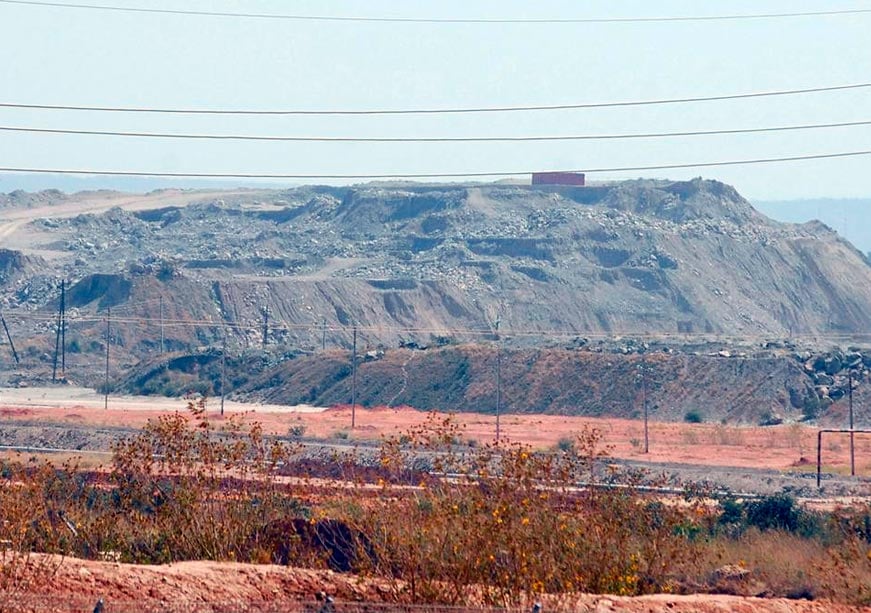
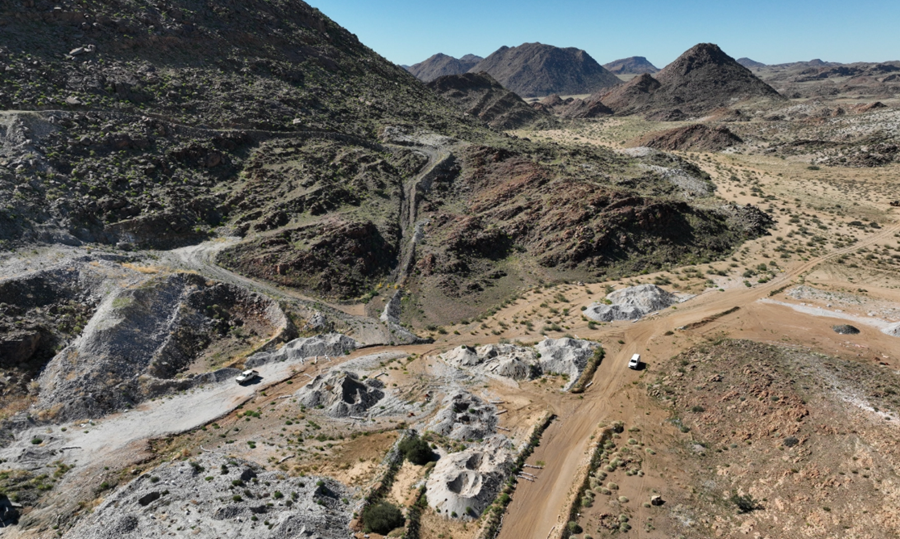
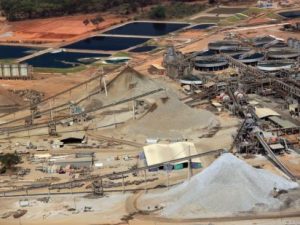
Image: Aura’s Tiris uranium project in northern Mauritania. Credit: Aura Energy
Share this content: