El Niño Threatens Copper and Nickel Production Across Key Mining Regions
El Niño could disrupt copper and nickel production through early 2027, with droughts, flooding and electricity shortages threatening mining operations in several major producing regions, according to BMI, a unit of Fitch Solutions.
The climate pattern, characterised by warmer-than-average sea surface temperatures in the central and eastern tropical Pacific Ocean, is expected to increase operational risks for mines, smelters, ports and transport infrastructure. Extreme weather could constrain output and add volatility to global mineral supply.
The US National Oceanic and Atmospheric Administration’s Climate Prediction Center (NOAA CPC) said in its October 2026 update that strong to very strong El Niño conditions were likely to persist through January–March 2027. It estimated an 83% probability that the October–December 2026 event would exceed the intensity of previous episodes recorded since 1950.

El Niño events generally occur every two to seven years and last between nine and 12 months, although some persist longer. Their effects vary by region, bringing drier conditions to parts of Australia and Southeast Asia while increasing rainfall in parts of South America.
BMI, however, expects longer-term supply challenges, including operational constraints, declining ore grades and policy uncertainty, to remain more significant structural risks than El Niño disruptions for now.
Copper and nickel face regional supply risks
Copper and nickel are expected to be among the metals most exposed to the weather pattern because major production centres are located along some of its most vulnerable pathways.
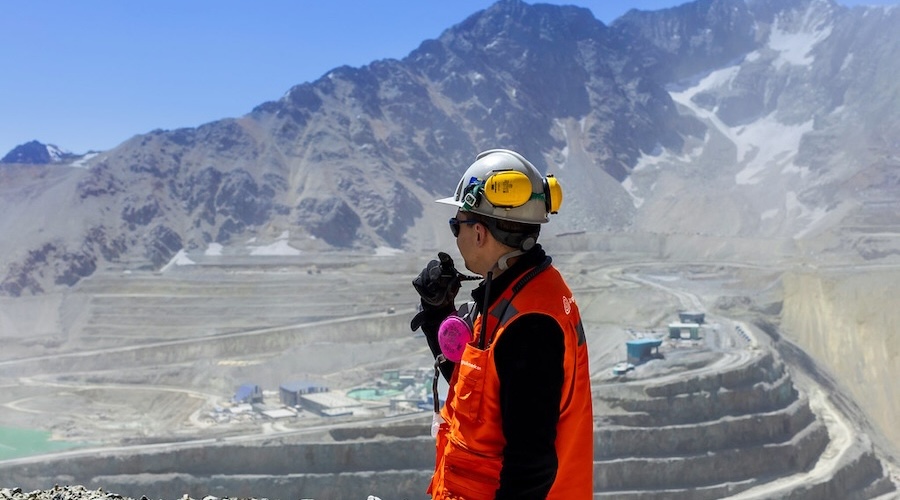
In Latin America, heavy rainfall and flooding could affect copper mines and transportation infrastructure, particularly in Chile and Peru. Previous El Niño conditions in 2017 forced operations at several Chilean mines, including Anglo American’s Los Bronces and Codelco’s El Teniente, to suspend activities.
In Africa, the principal concern is drought. Reduced rainfall in Zambia and the Democratic Republic of Congo could weaken hydropower generation, increasing the risk of electricity shortages and higher operating costs for energy-intensive copper smelters.
Nickel production faces particular exposure in Indonesia, where drought-related water shortages could constrain operations in the near term. BMI expects these pressures to ease as wetter seasonal conditions return.
The Indonesia Morowali Industrial Park confirmed in September that several nickel smelters had reduced output because of water shortages. Earlier reports suggested that approximately 100,000 tonnes of nickel pig iron (NPI) production could be affected.
BMI expects weather-related disruptions during 2026 and into early 2027 to provide greater potential support for copper prices. Nickel’s substantial inventory overhang, however, could limit price gains unless production interruptions become prolonged. Both markets are still expected to record modest surpluses in 2026.
Hydropower dependence increases exposure
The impact of El Niño will depend heavily on where mining and processing facilities operate and how their electricity is generated.
BMI’s ESG Country Risk team expects increased drought risk to be the main consequence of the 2026–2027 event. Countries that rely heavily on hydropower are particularly exposed to potential electricity shortages.
In regions dependent on monsoon rainfall, changes in the volume and timing of precipitation could affect the replenishment of water reserves ahead of the dry season. This may reduce future hydropower generation, tighten electricity supplies and disrupt mining activity even after El Niño conditions have weakened.
China’s aluminium industry could also face production restrictions in areas where smelters depend on hydropower. Meanwhile, heavy rainfall could delay production and project ramp-ups at lithium operations in parts of Latin America.
Countries where hydropower accounts for less than 20% of electricity generation, including Mexico and South Africa, face a different risk profile. BMI expects peak-power constraints to be more likely than widespread electricity outages in these markets.
As demand for critical minerals continues to intensify, El Niño adds another layer of uncertainty for mining companies and governments seeking to maintain reliable production and secure global supply chains.
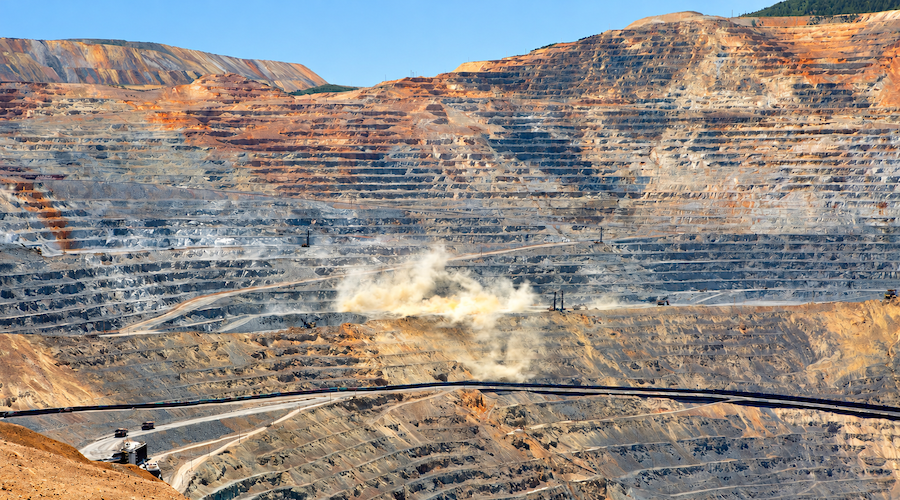
Los Bronces copper mine in Chile. (Image courtesy of Anglo American.)
Share this content: