Sudan Moves to Reshape Africa’s Gold Market with 2,000-Tonne Reserve Target
By Solomon Ekanem
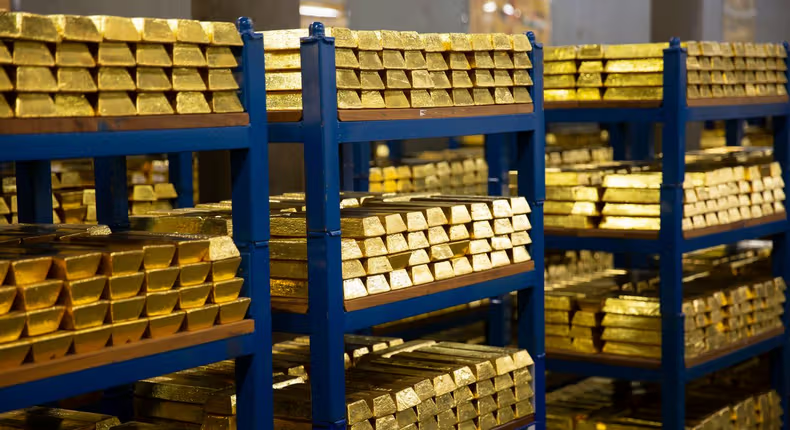
Sudan is positioning itself as a potential heavyweight in Africa’s gold industry, with new estimates indicating that the country’s gold reserves could exceed 2,000 tonnes — significantly higher than the previously cited official figure of 1,500 tonnes.
According to Moatasem Mohamed Saleh, Secretary-General of Sudan’s Gold Exporters Chamber, ongoing exploration campaigns and modern geological surveys are revealing substantial untapped deposits across the country. In remarks to Sudan Tribune, Saleh said existing estimates provide only a baseline and do not fully reflect the scale of gold resources beneath Sudan’s vast and largely underexplored rock belts.

He noted that many regions have yet to be assessed using advanced exploration methods such as remote sensing, deep geophysical scanning and structured exploratory drilling — tools that are now uncovering promising new deposits.
Production–Export Gap Highlights Structural Challenges
In 2025, Sudan produced approximately 70 tonnes of gold. However, only 20 tonnes — roughly 28.6% — were officially exported. The remaining 50 tonnes, representing more than 70% of output, are believed to have been smuggled or unrecorded.
This significant production-export gap underscores persistent structural weaknesses within the sector, including limited regulatory oversight, weak fiscal capture and insufficient market transparency. The volume of gold bypassing formal channels translates into substantial lost revenue and foreign exchange earnings for the government.
Industry stakeholders argue that formalising artisanal mining, strengthening monitoring systems and tightening enforcement mechanisms could reduce illicit trade while boosting public revenues. Improved governance would also enhance Sudan’s credibility in international markets and attract responsible investment.
Rising Continental Ambitions
If the revised reserve estimates are confirmed, Sudan could strengthen its standing among Africa’s leading gold producers, competing more directly with established players such as Algeria, Ghana, South Africa and Mali.
While annual output determines short-term production rankings, a verified reserve base signals long-term production capacity and provides greater certainty for investors in mining operations, refining facilities and supporting infrastructure.
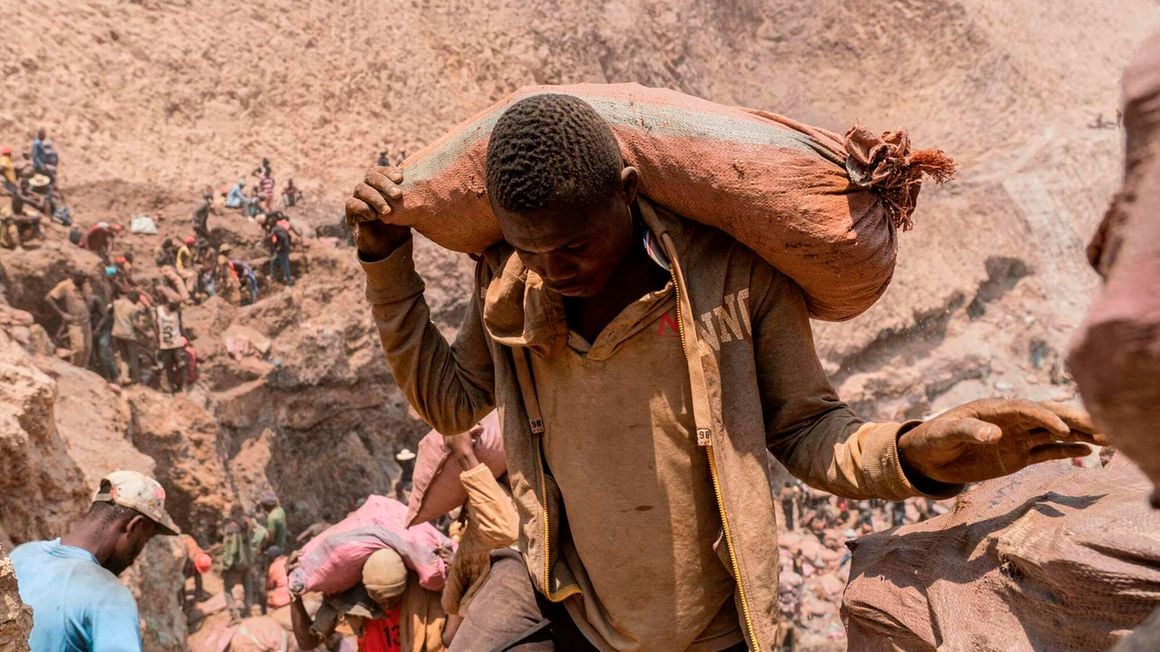
Saleh emphasised that artisanal mining has been central to Sudan’s gold expansion over the past decade, with each wave of exploration leading to new discoveries. However, he cautioned that unregulated activity carries environmental and health risks, making integration into the formal economy an urgent priority.
Strategic Opportunity Amid High Prices
With global gold prices hovering near record highs, Sudan’s expanding reserve estimates present a potential economic turning point. A coordinated national minerals strategy — including intensified exploration in under-studied areas, updated geological data and clearer regulatory frameworks — could help the country capture greater value from its resources.
Officials are also encouraging international mining companies to invest under terms that safeguard national sovereignty while promoting local value addition.
If successfully developed and formalised, Sudan’s gold sector could significantly enhance foreign exchange inflows, stabilise public finances and cement the country’s position as a major force in Africa’s mineral markets.
Share this content: