Turning Africa’s Mineral Wealth into Sustainable Prosperity Through Stronger Policy and Governance

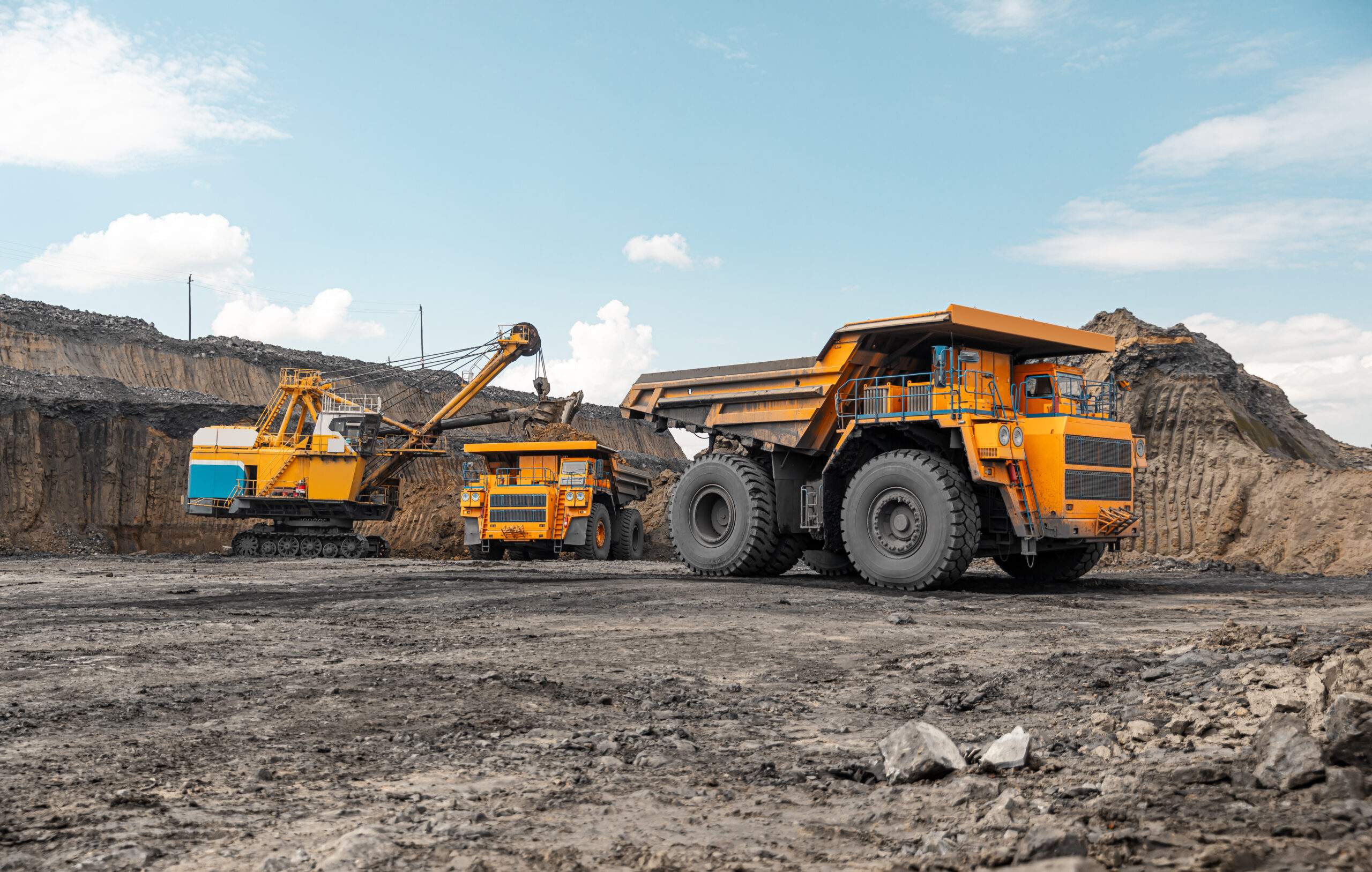
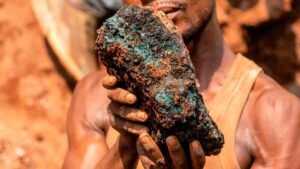
Africa’s vast mineral reserves position the continent at the heart of the global energy transition. From cobalt and manganese to lithium and rare earth elements, African countries supply critical inputs for electric vehicles, battery storage systems, and renewable energy infrastructure. Yet despite this strategic importance, mineral abundance has not consistently translated into widespread prosperity or inclusive economic transformation. The central challenge is not geology, but governance.
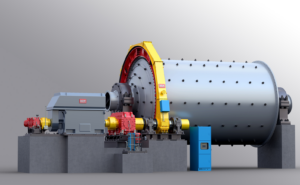
The article correctly identifies the value-chain gap that continues to limit Africa’s economic gains. While the continent exports raw minerals in large volumes, much of the processing, refining, and manufacturing occurs elsewhere. These dynamic shifts higher-value economic activities—such as advanced manufacturing, technology development, and skilled employment—outside Africa. As a result, mineral-rich nations often re-import finished goods derived from their own resources at significantly higher prices. Moving up the value chain through domestic processing and manufacturing is therefore essential for unlocking long-term economic benefits.
The urgency of reform is underscored by demographic realities. With hundreds of millions of young Africans expected to enter the labour market in the coming decade, the mining sector must evolve beyond extraction to become a driver of industrialisation and job creation. Processing and refining activities create multiplier effects across engineering, logistics, environmental management, research, and services. However, this transformation requires deliberate policy alignment, infrastructure investment, and skills development strategies that are closely linked to national development plans.

Infrastructure remains one of the most critical constraints. Many mineral deposits are located in remote regions lacking reliable electricity, transport networks, and water systems. Without integrated economic corridors that connect mines to refineries, ports, and industrial zones, the cost of downstream processing remains prohibitively high. Expanding power generation capacity, particularly renewable energy,alongside modern transport and logistics systems is essential for improving competitiveness and reducing reliance on diesel-based generation.
Equally important is regulatory stability. Clear, consistent, and enforceable mining laws are fundamental to attracting long-term investment. Countries that maintain predictable fiscal regimes and transparent licensing processes are more likely to build investor confidence and sustain capital inflows. Botswana offers an example of how policy credibility and institutional stability can enhance a country’s reputation as a reliable investment destination. In contrast, regulatory uncertainty, enforcement gaps, and policy reversals in other jurisdictions often raise risk premiums and deter investment.
Regional cooperation also presents significant opportunities. By leveraging frameworks such as the African Continental Free Trade Area and supporting cross-border industrial initiatives, mineral-rich countries can create larger, integrated markets that support full value-chain development. Shared infrastructure, harmonised standards, and coordinated industrial policies can lower production costs and unlock economies of scale that individual countries might struggle to achieve alone.
Transparency and accountability are equally vital. Strengthening governance through initiatives such as the Extractive Industries Transparency Initiative helps ensure that mineral revenues are managed responsibly and reinvested into infrastructure, education, and community development. Standardised community development agreements and structured benefit-sharing mechanisms can further ensure that host communities experience tangible improvements in livelihoods and services.
Ultimately, Africa’s mineral endowment presents a historic opportunity. However, resource wealth alone does not guarantee sustainable development. Converting mineral abundance into inclusive prosperity requires coherent policy frameworks, institutional strength, infrastructure expansion, workforce development, and regional collaboration. As global demand for critical minerals accelerates, the continent has a narrowing window to secure long-term strategic advantage.
The path forward is clear: strengthen governance, build industrial capacity, and ensure that Africa’s minerals fuel development at home as much as they power the global energy transition.