Vision 2030 Drives Demand for Critical Minerals

Under the Vision 2030, launched by Mohammed bin Salman, Saudi Arabia is investing heavily in industries that rely on critical minerals.
Electric vehicles, renewable energy systems, and advanced technologies all depend on resources such as lithium, cobalt, nickel, silicon, and aluminium. Riyadh is targeting 30% electric vehicle adoption by 2030 and aims to produce 500,000 EVs annually, while also working toward generating 50% of its electricity from renewable sources.
These ambitions are supported by more than $186 billion in green investments under the Saudi Green Initiative, reinforcing the country’s need for stable mineral supply chains.

Africa Emerges as a Strategic Partner
Africa’s resource base makes it a natural partner in this strategy. The continent holds an estimated 30% of the world’s critical mineral reserves, including a dominant share of cobalt and significant deposits of manganese and graphite.
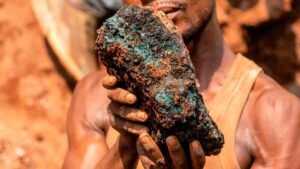
Countries such as the Democratic Republic of Congo and Zambia are particularly important, given their role in global copper and cobalt production—key inputs for batteries and clean energy technologies.
Despite this, Saudi Arabia has so far lagged behind regional competitors like the United Arab Emirates, which has already secured major mining investments across Africa.
Riyadh Steps Up Investments
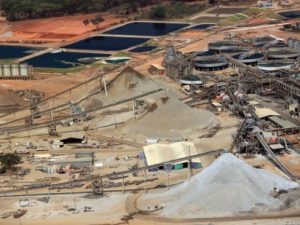
In response, Saudi Arabia is ramping up engagement. Its sovereign wealth vehicle, the Public Investment Fund, has expressed interest in African mining through Maaden.
At the 2024 Future Minerals Forum, Saudi Arabia signed cooperation agreements with the DRC, Egypt, and Morocco to explore opportunities in mineral development.
A key development has been the launch of Manara Minerals, a joint venture between PIF and Maaden, tasked with acquiring global stakes in critical mineral assets. While its first investment was in Brazil, discussions around potential acquisitions in African copper and nickel projects signal growing intent.
Balancing Domestic Wealth with Global Expansion
Saudi Arabia’s approach is unique among Gulf nations due to its significant untapped domestic mineral reserves, now estimated at $2.4 trillion. This allows Riyadh to combine local resource development with international investments, strengthening supply security.
Analysts suggest this dual strategy gives Saudi Arabia an edge over competitors that rely solely on foreign acquisitions.
Geopolitical Advantage in a Multipolar World
Saudi Arabia’s geopolitical positioning further enhances its appeal as a partner. With strong ties to both Western nations and China—and its recent entry into the BRICS group—the Kingdom is increasingly viewed as a strategic “middle ground” in global resource politics.
This flexibility could make it an attractive collaborator for African countries seeking diversified partnerships in a competitive global market.
Opportunities and Challenges for Africa
With global demand for critical minerals expected to surge, Africa stands to benefit significantly. The International Monetary Fund estimates that the sector could boost the continent’s GDP by up to 12% by 2050.
However, the key challenge remains ensuring that mineral wealth translates into long-term economic development, rather than short-term extraction gains.
Industry leaders point to Saudi Arabia’s success in managing its oil sector as a potential model. By leveraging strategic planning, investment, and value addition, African nations could better harness their resources for sustainable growth.
Outlook
As competition for critical minerals intensifies, Saudi Arabia’s growing interest in Africa signals a new phase in global resource diplomacy. With deep financial resources and a long-term investment outlook, Riyadh is positioning itself as a key player in shaping the future of energy and industrial supply chains.
Share this content: