KGHM Seeks Copper Mines in Europe and Morocco to Reduce Costs and Strengthen Supply Chains
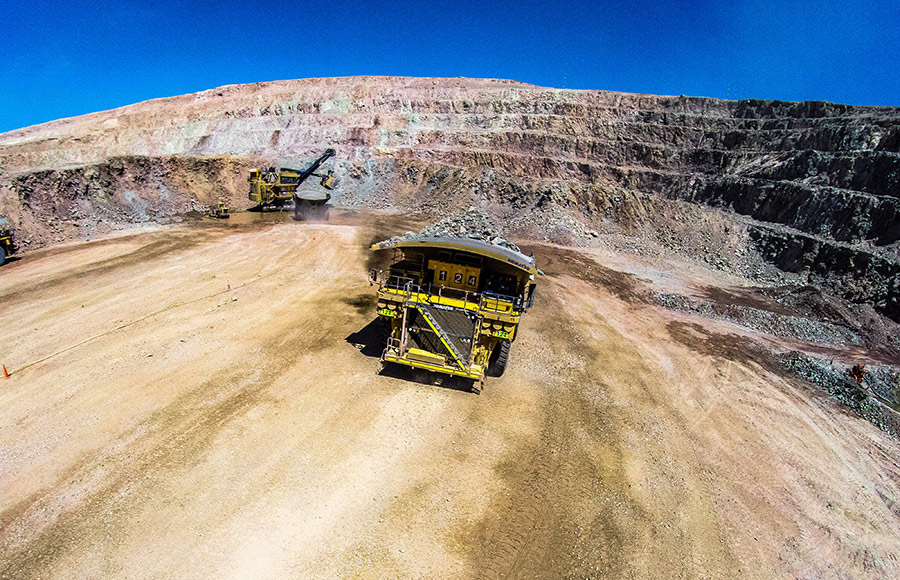
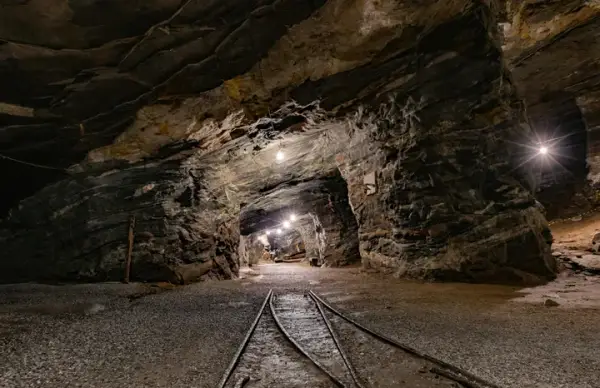
Sierra Gorda open pit mine.(Image courtesy of KGHM)
KGHM Polska Miedź is actively exploring new mining investments in Europe and North Africa as part of a broader strategy to secure copper supplies closer to its core smelting operations in Poland. The move reflects a growing industry shift toward reducing logistics costs and improving supply chain resilience amid global market volatility.
According to CEO Remigiusz Paszkiewicz, the company is evaluating opportunities in Morocco and across Europe to shorten transport distances between mines and processing facilities. This strategy is aimed at lowering operational costs while ensuring a more stable and predictable flow of raw materials to its smelters.

KGHM has already taken initial steps by signing a cooperation agreement with Morocco’s National Office of Hydrocarbons and Mines and Managem Group. The company has also deployed geological teams to assess potential deposits, with early findings expected in the coming weeks. While Morocco is a key focus, the company is also reviewing at least one potential mining opportunity within Europe.
The push to diversify supply sources comes as global mining companies increasingly face logistical challenges, including rising transport costs and supply chain disruptions. By sourcing copper ore closer to its Polish operations, KGHM aims to reduce dependency on long-distance shipments from regions such as Latin America.
Despite this international expansion, KGHM remains committed to its domestic operations in Poland, while also maintaining its presence in global mining markets, including Chile and the United States. The company currently operates major assets such as the Robinson mine in the US and holds a majority stake in the Sierra Gorda mine in Chile, contributing significantly to its annual copper output.
In addition to securing new mining assets, KGHM is also re-evaluating its processing strategy. The company is considering transitioning its Legnica smelter into a recycling facility, while positioning its Głogów plant as its primary smelting hub. This shift aligns with broader industry trends toward circular economy practices and increased use of recycled metals.
KGHM’s evolving strategy highlights how mining companies are adapting to a changing global landscape, where proximity to resources, cost efficiency, and supply chain security are becoming increasingly critical. As the demand for copper continues to rise—driven by energy transition and electrification—the company’s focus on regional diversification and operational flexibility could strengthen its long-term competitiveness.
Share this content: