Ghana Pushes for Greater Local Gold Refining Through New Mining Supply Plan

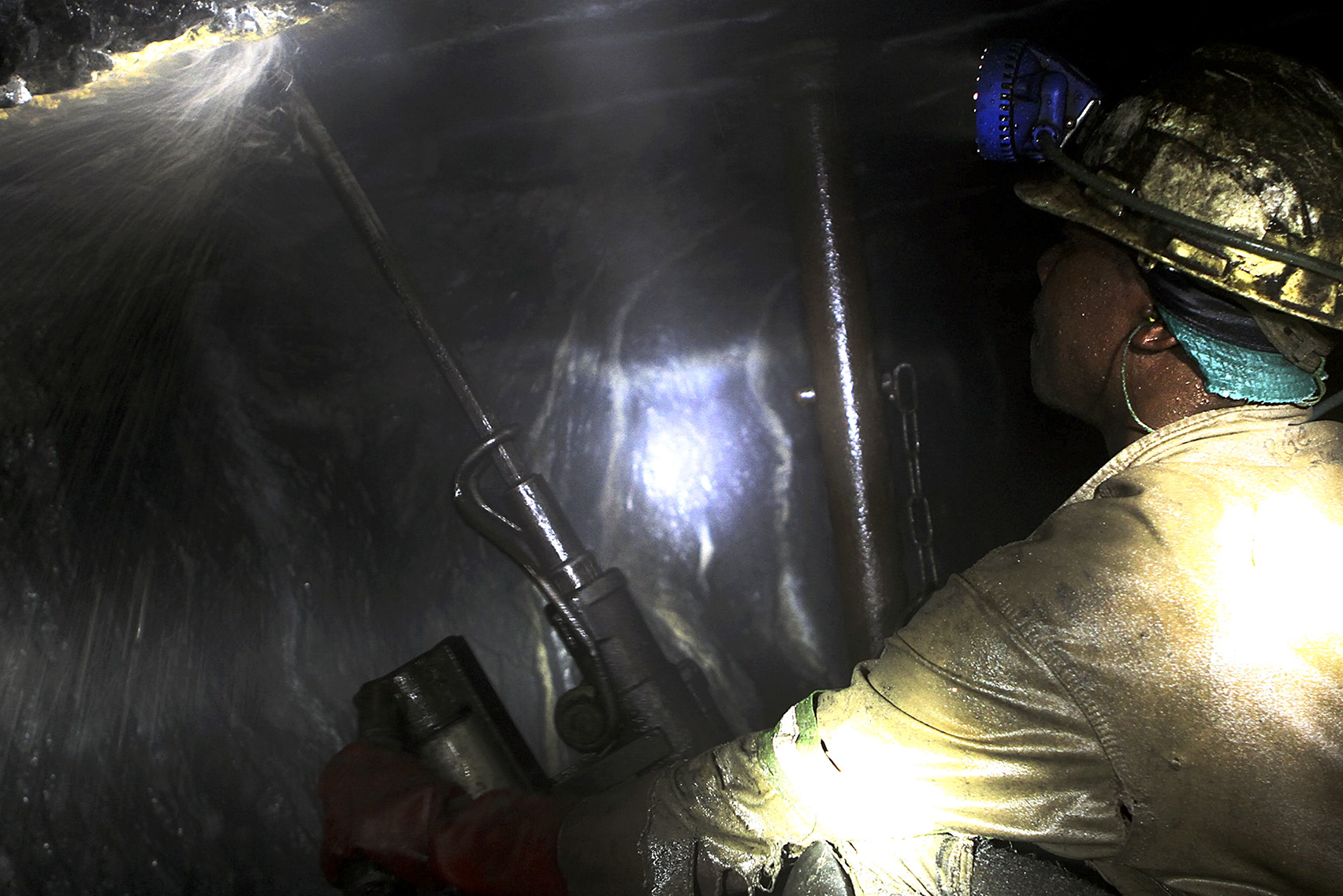
Ghana is seeking to increase local gold refining and strengthen foreign exchange reserves by requiring large-scale mining companies to sell a bigger share of their production to the state in unrefined form.
The proposal would require major gold producers operating in Ghana to sell at least 30% of their annual gold output to the state-owned Ghana Gold Board, which purchases bullion on behalf of the country’s central bank.
According to Paul Bleboo, the move would increase the current 20% mandatory supply arrangement already in place between mining companies and the government.

Unlike the existing programme, where producers supply refined gold, the expanded requirement would involve the purchase of doré gold — partially refined bullion — to support domestic refining operations and encourage value addition within the country.
Ghana targets value addition and job creation
Government officials say the strategy is designed to strengthen Ghana’s refining industry, create jobs and retain more value from the country’s mineral resources.
Bleboo said the policy aims to expand local refining capacity while helping build stronger national gold reserves.
The initiative reflects a broader trend across Africa, where governments are increasingly pushing for local beneficiation and tighter control over strategic mineral supply chains as global commodity prices remain elevated.
Gold prices have continued trading at historically high levels, intensifying competition among producing countries to secure greater economic returns from mining activities.
Mining companies negotiate pricing terms
Discussions between government authorities and mining companies are ongoing, particularly around pricing mechanisms for doré purchases.
According to Bleboo, the government has proposed purchasing unrefined gold at a 1% discount to spot market prices, with implementation potentially beginning as early as June 1 if negotiations are finalised.
Major producers likely to be affected by the new policy include:
- AngloGold Ashanti
- Gold Fields
- Newmont
Kenneth Ashigbey said mining companies support efforts to strengthen local refining and foreign exchange reserves, although industry stakeholders believe alternative approaches could also achieve similar objectives.
Gold remains critical to Ghana’s economy
Gold continues to dominate Ghana’s export earnings and foreign exchange inflows.
According to central bank data, gold accounted for approximately 67% of Ghana’s exports in 2025, reinforcing the sector’s strategic importance to the national economy.
The government has increasingly relied on gold reserves to support macroeconomic stability and strengthen the Ghanaian cedi.
The currency recorded notable gains last year under the government’s gold reserve accumulation programme and has remained relatively stable despite ongoing global geopolitical pressures and commodity market volatility.
Africa accelerates mineral beneficiation policies
Ghana’s latest proposal reflects a wider policy shift unfolding across Africa as mineral-producing countries seek greater participation in downstream processing and refining activities.
Several African governments are introducing:
- Export restrictions
- Local processing requirements
- State mineral purchasing programmes and beneficiation incentives.
aimed at capturing more value from natural resources while reducing dependence on raw commodity exports.
Share this content: