Mozambique’s New Mining Ownership Rules Raise Investor Concerns

Mozambique’s recently introduced mining ownership regulations are drawing concern from industry stakeholders, who warn that the new requirements could make the country less attractive to international investors.
The southern African nation, a major producer of graphite and other strategic minerals, has amended its mining legislation to increase state participation in mining ventures and promote local mineral beneficiation.
State to Hold 15% Stake in Mining Projects

Under the revised law, the Mozambican government will be entitled to a minimum 15% stake in all mining operations.
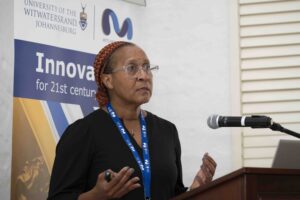
Speaking at a mining conference in Victoria Falls, Zimbabwe, Vice President of the Chamber of Mines of Mozambique, Geert Kolk, expressed concern that the mandatory state participation could discourage foreign capital.
According to Kolk, the Chamber fears that requiring a 15% free-carry stake for the government may reduce Mozambique’s competitiveness as a destination for mining investment.
The government has defended the move, saying the reforms are intended to strengthen oversight of strategic natural resources and safeguard national interests.
Export Restrictions Aim to Boost Local Processing
The new legislation also introduces restrictions on the export of unprocessed and semi-processed minerals. Companies will only be permitted to export such materials with ministerial approval and a clear plan for domestic value addition.
While the Chamber of Mines supports efforts to expand local mineral processing, Kolk stressed that beneficiation initiatives require a supportive operating environment.
He noted that reliable electricity, water infrastructure and efficient transport networks are essential if investors are to establish processing facilities within the country.
Strategic Minerals Remain a Key Attraction
Mozambique remains one of Africa’s most resource-rich mining destinations, with significant deposits of graphite, coal and gemstones.
The country hosts the world-renowned Balama Graphite Mine, operated by Syrah Resources, which is among the largest graphite deposits globally and plays an important role in electric vehicle battery supply chains.
Mozambique is also home to the Montepuez Ruby Mine, one of the world’s largest ruby-producing operations, owned by Gemfields.
In addition, the country possesses extensive coal resources that have attracted investment from major global mining companies over the years.
Balancing Resource Control and Investment
The policy changes reflect a broader trend across Africa, where governments are seeking greater participation in mineral wealth and encouraging local processing to capture more value from natural resources.
However, industry experts caution that achieving these objectives will require balancing state interests with maintaining an attractive investment climate. As global demand for critical minerals continues to rise, investor confidence will remain a key factor in determining whether Mozambique can fully capitalize on its mineral potential.
The implementation of the new mining framework will be closely watched by investors, mining companies and policymakers across the continent as they assess its impact on future project development and capital inflows.
Share this content: