Critical Minerals Drive New Opportunities
The timing of Zambia’s proposal is particularly significant.
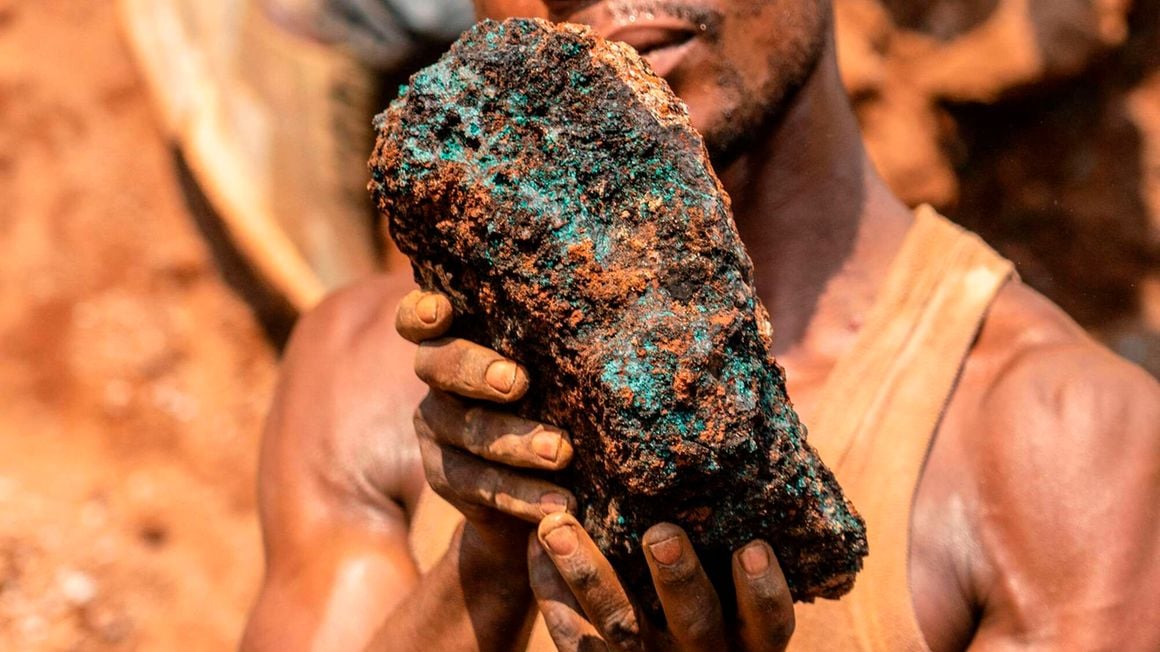
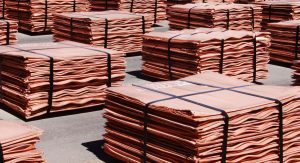
Global competition for critical minerals continues to intensify as demand grows for copper, lithium, cobalt, nickel, graphite and rare earth elements required for electric vehicles, renewable energy technologies and advanced manufacturing.
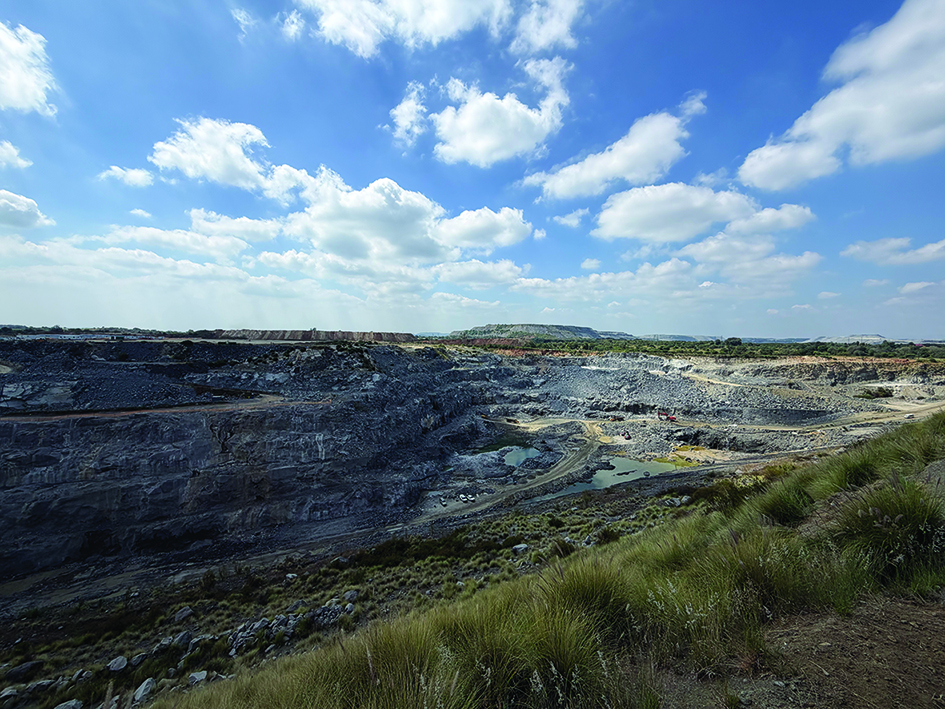
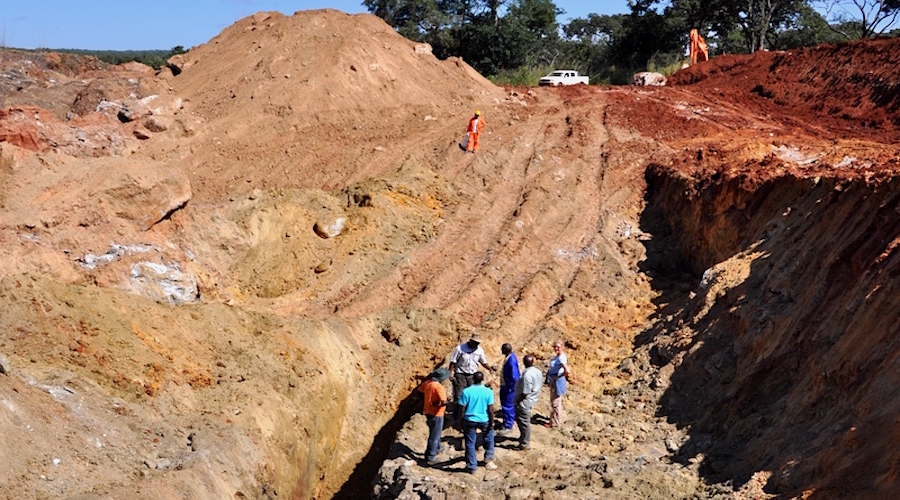
Africa possesses some of the world’s largest undeveloped reserves of many of these resources.

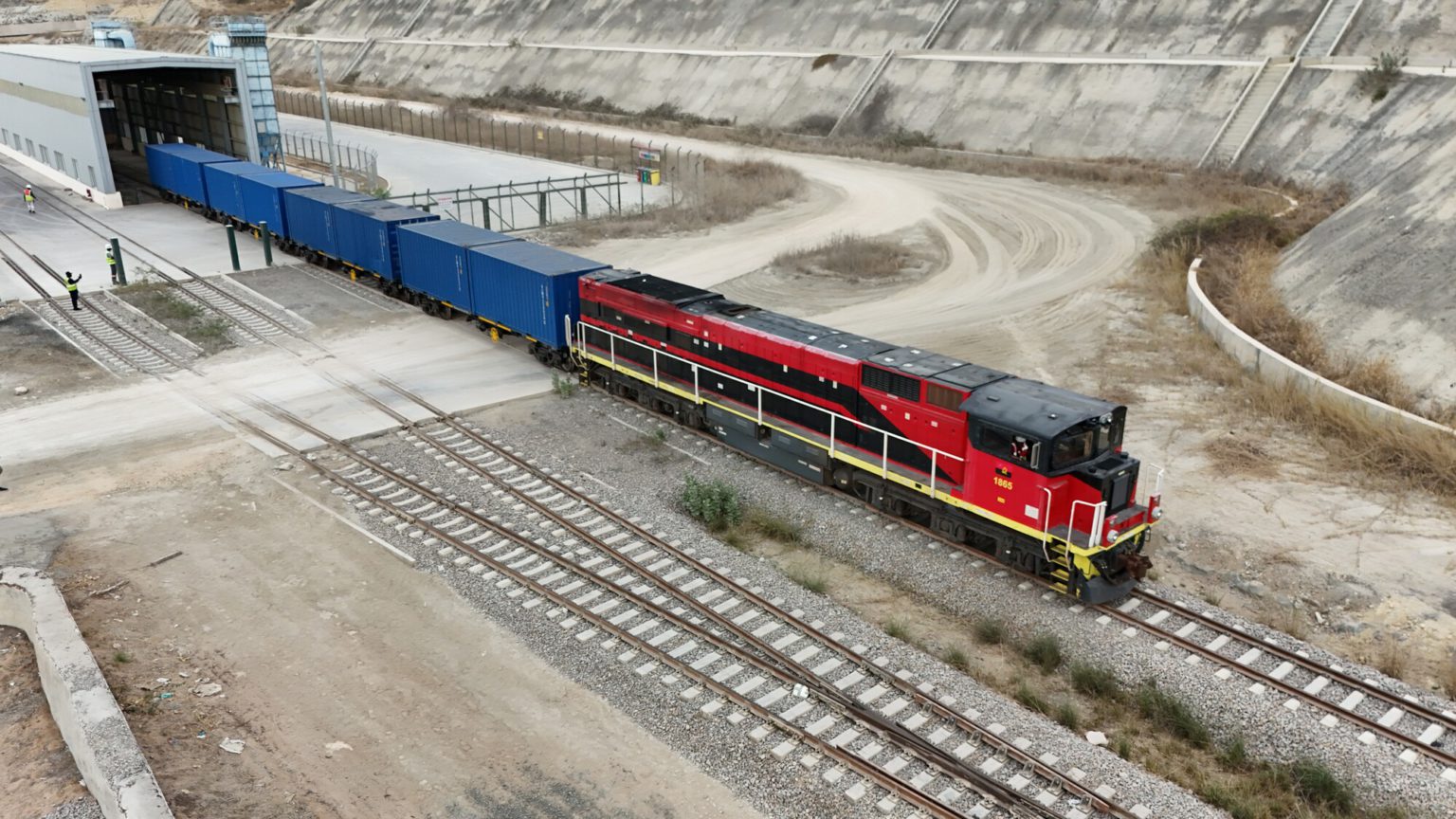
Rather than simply supplying raw materials to international manufacturers, policymakers increasingly want African countries to participate in every stage of the value chain—from mining and processing to manufacturing and export.
A regional exchange could become one of the key building blocks supporting that long-term vision.
A Continental Vision for Mining
Although the proposal remains in its early stages, it reflects a broader shift in Africa’s approach to mineral development.
Mining is increasingly viewed not only as a source of export revenue but as a catalyst for industrialisation, technological development and regional economic integration.
If successfully implemented, a Pan-African minerals exchange could strengthen market transparency, attract investment, encourage local processing and improve Africa’s position within global supply chains.
For Zambia, the initiative represents another step towards transforming its mining industry from a producer of raw commodities into a driver of sustainable economic growth.
As demand for critical minerals continues to accelerate worldwide, the countries that control not only extraction but also pricing, processing and trade are likely to capture the greatest long-term value.
Africa appears increasingly determined to ensure it is among them.
Share this content: