Sudan’s Gold Mining Boom Threatens Agriculture and Food Security

Sudan’s expanding gold mining industry is increasingly threatening agricultural production and public health, with toxic mining waste contaminating farmland, livestock and water supplies in parts of River Nile State.
The region north of Khartoum is one of Sudan’s most important gold-producing areas, but farmers in communities such as Abu Hamad say mining pollution is damaging crops and reducing agricultural yields.
Wheat and fava bean production has reportedly fallen sharply, while livestock farmers have observed birth defects and signs of poisoning among cattle. Local doctors have also reported concerns about rising miscarriages and birth defects among women in affected communities.

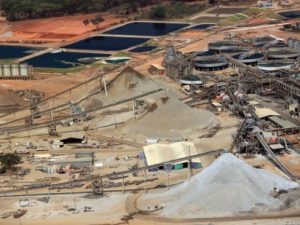
The problems are closely linked to the rapid expansion of artisanal gold mining, which accounts for more than 90% of Sudan’s gold production. Mercury and thiourea are widely used to extract gold, while processing facilities use mercury and cyanide to recover additional metal from mining waste.
Large quantities of tailings are left behind during the process, creating a growing environmental threat around mining communities. More than 700 tailings mounds are reportedly now located around Abu Hamad, where mining activity has expanded since 2008.
The contamination risk is particularly serious because farmers in the area depend on irrigation canals supplied by the Nile River. Flash floods in 2022 reportedly carried large quantities of mining waste into the river system, increasing the potential for contamination to spread through agricultural and drinking water supplies.
A 2022 study found mercury contamination in as much as 20% of drinking water in the region, raising concerns over long-term exposure among communities dependent on the Nile.
Sudan is also reported to be one of sub-Saharan Africa’s largest mercury importers. Official figures put annual imports at around 36 tonnes, although researchers from the Sudan Transparency and Policy Tracker have suggested the actual volume could be dramatically higher because of smuggling and undeclared imports.
The environmental damage is already being felt by farmers. Mohamed Fathi al-Rahman al-Khalifa, a farmer in the Abu Hamad area, told The Guardian that an orange grove that once produced four truckloads of fruit now produces less than a quarter of a truckload.
The impact extends beyond individual farms. Gold has become an important source of financing for Sudan’s warring parties, with both the Sudanese Armed Forces and Rapid Support Forces relying on mineral revenues and associated networks as the conflict continues.
That has made controlling the environmental consequences of gold production even more difficult, particularly in areas where artisanal mining has expanded rapidly and regulatory enforcement is weak.
For agricultural communities, the consequences go beyond lost income. Contaminated water, declining crop yields, damaged livestock and potential human health impacts could further weaken food production in a country already facing severe food insecurity.
The experience of River Nile State highlights a wider challenge for Sudan’s mining industry: generating revenue from gold while protecting the land, water and agricultural systems that millions of people depend on.
As mining expands, the environmental cost could become increasingly difficult to separate from Sudan’s broader food-security crisis.
Share this content: