Guinea Targets Five Alumina Refineries by 2030, but Power Supply Remains a Major Hurdle
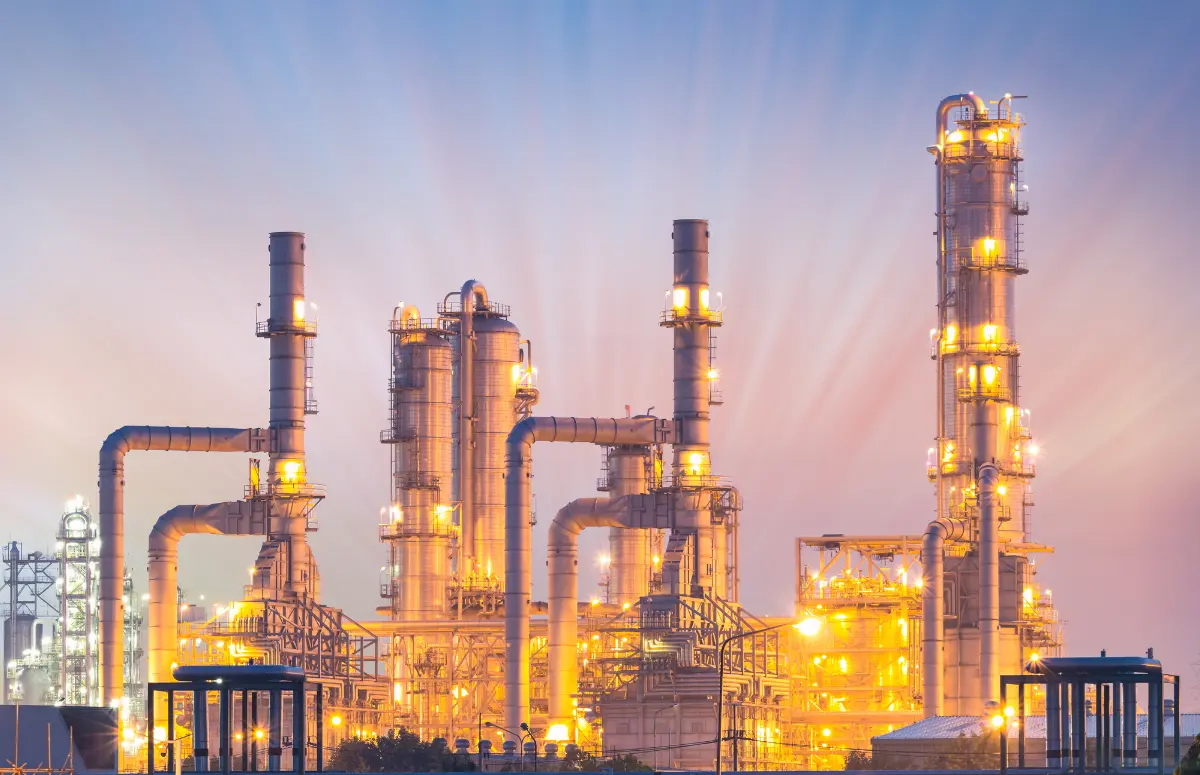
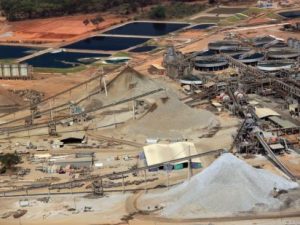
Guinea is accelerating plans to expand its mineral processing industry, with three alumina refineries under construction and a target of five operating by 2030. However, limited electricity generation and the high cost of industrial power remain significant challenges to the country’s ambitions.
Daouda Diakite, senior adviser to Guinea’s mines minister, outlined the strategy at African Mining Week in Cape Town on 21 October 2026. The government is targeting combined annual alumina production capacity of approximately 7 million to 8 million tonnes, with aluminium smelting expected to follow.
The plans form part of Guinea’s broader push to capture more value from its mineral resources rather than relying primarily on exports of unprocessed raw materials.

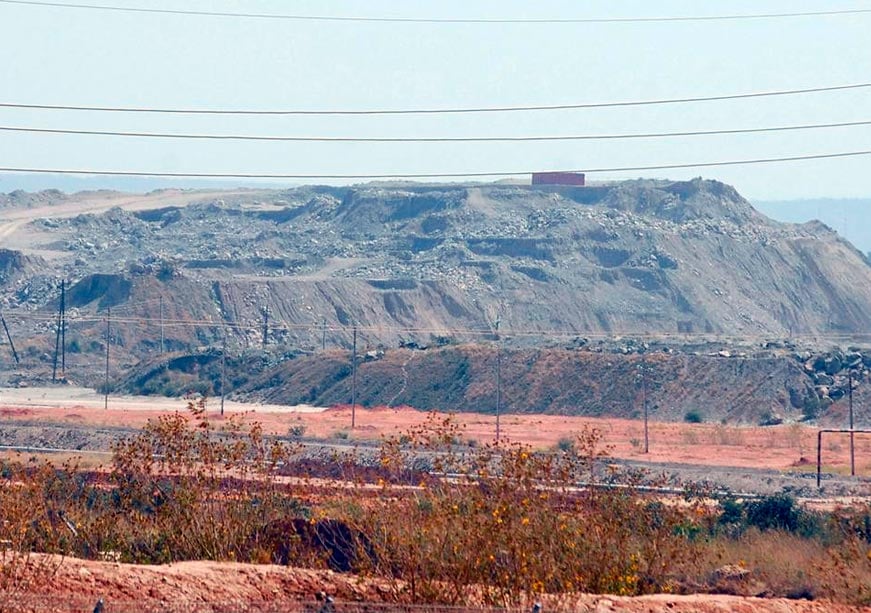
Guinea has recently overtaken Australia as the world’s largest bauxite producer and exporter. The government has indicated that it wants to limit bauxite exports, although the proposed restrictions have not yet been introduced. Authorities are encouraging investors to consider downstream processing facilities and supporting infrastructure, including railways, with mining rights and certain tax incentives available.
The country is also accelerating plans for iron ore pelletisation, with steel production identified as a subsequent stage in developing its mineral value chains.
Electricity Supply Could Determine Industrial Growth
Energy availability is emerging as a critical constraint on Guinea’s industrial ambitions.
Diakite said Guinea currently generates approximately 1,000 megawatts of electricity, largely from hydropower, while the country’s industrialisation plans could require between 5,000MW and 10,000MW.
The country’s electricity supply fluctuates seasonally. Guinea exports power to neighbouring countries during the rainy season, generally from April or May to November, but imports electricity from countries including Côte d’Ivoire and Senegal during drier months.
The government is therefore examining different energy sources to meet anticipated industrial demand. Diakite said Guinea was considering economically viable options including gas, coal and nuclear power. He also suggested that vessels transporting bauxite could potentially bring coal from South Africa or Mozambique on return journeys.
The scale of the energy challenge highlights the infrastructure investment required to support large-scale refining and smelting, both of which depend on reliable and competitively priced electricity.
South Africa’s Ferrochrome Industry Offers a Warning
Developments in South Africa illustrate the risks of building mineral processing capacity without sustainable power supplies.
South Africa holds more than 70% of the world’s known chrome reserves, but fewer than a dozen of its 66 ferrochrome smelters remain operational following a prolonged increase in electricity costs. Power prices have reportedly risen roughly tenfold since 2008.
Mzila Mthenjane, chief executive of the Minerals Council South Africa, emphasised that reliable and affordable energy was fundamental to successful industrialisation.
The challenges extend beyond South Africa. South32 placed its Mozal aluminium smelter in Mozambique on care and maintenance in 2026 after drought conditions affected electricity supplies, demonstrating how water shortages and hydropower dependence can disrupt energy-intensive industries.
For Guinea, the experiences of established mineral producers underline the importance of securing long-term electricity supplies before expanding refining and smelting capacity.
Investors Require More Than Mineral Resources
At African Mining Week, Egypt’s deputy minister for strategic industries, Mohamed Zada, identified four essential conditions for attracting industrial investment: reliable feedstock, affordable and dependable power, stable government policy and committed buyers.
He stressed that these requirements must be addressed together rather than individually.
The availability of bauxite and iron ore gives Guinea a strong resource base for developing downstream industries, but investors must also be confident that facilities can operate consistently, recover their costs and access markets.
Financing institutions are already supporting mineral processing projects across Africa. The US International Development Finance Corporation and the Africa Finance Corporation are among the organisations backing such investments.
Franklin Edochie, AFC’s deputy director and head of mining, said demand existed for high-quality African mineral products, highlighting the commercial opportunity for countries seeking to expand local processing.
Guinea’s ambition to establish five alumina refineries by 2030 could strengthen domestic value addition, generate employment and create opportunities for supporting industries. Achieving that goal, however, will depend heavily on closing the electricity gap and providing investors with the infrastructure and policy certainty required for long-term operations.
Share this content: