Who Really Benefits from Africa’s Mineral Resources?

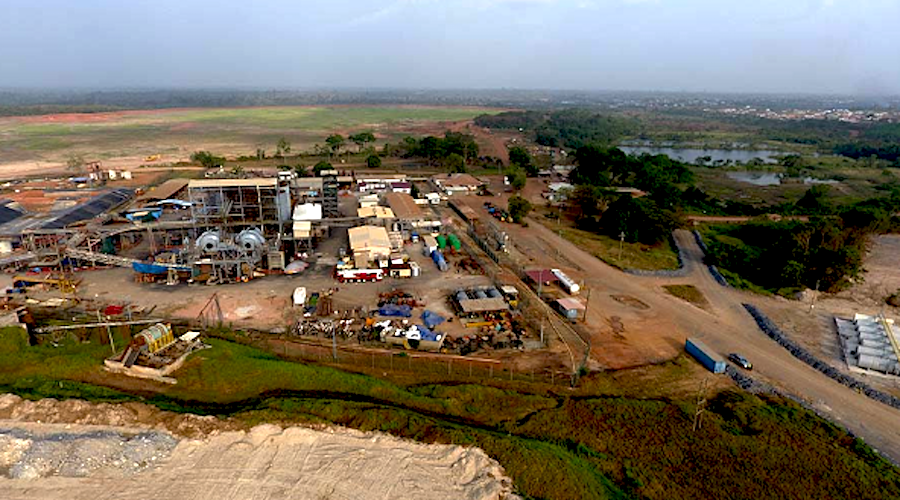
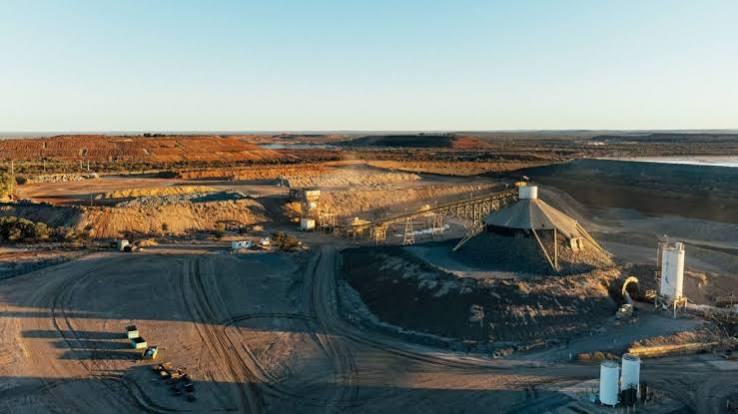
Africa possesses vast deposits of cobalt, copper, gold and lithium, minerals that power electric vehicles, smartphones and modern technologies. Yet, many communities living near mining operations continue to face poverty, environmental damage and limited economic opportunities.
This raises an important question: who really benefits from Africa’s mineral wealth?
The growing competition among global powers, particularly the United States and China, for access to critical minerals has increased the strategic importance of African mining. However, concerns remain about whether foreign investment is translating into meaningful benefits for local communities.
The DRC Highlights the Mineral Wealth Challenge

The Democratic Republic of Congo (DRC) illustrates this contradiction. Despite its significant cobalt and copper reserves, parts of its mining sector continue to face concerns over unsafe working conditions, child labour, environmental degradation and the treatment of artisanal miners.
The December 2025 strategic minerals partnership between the DRC and the United States has created new opportunities for investment and cooperation. However, civil society organisations have raised concerns about transparency, accountability and the protection of mining communities.
For African governments, the challenge is to attract investment without surrendering control over the economic benefits of their natural resources.
Foreign Investment Must Deliver Local Benefits
Foreign mining investment can create jobs, generate government revenue, improve infrastructure and introduce technical expertise.
However, investment figures alone do not demonstrate economic development. Governments must also examine local employment, wages, tax contributions, environmental protection, technology transfer and opportunities for domestic mineral processing.
In Zambia and the DRC, concerns about environmental damage and human rights in mining communities have reinforced calls for stronger corporate accountability and regulatory oversight.
African countries also need to strengthen local industries so that more minerals are processed domestically rather than exported primarily as raw materials.
Protecting Communities and Resource Sovereignty
Responsible mining requires more than commercial agreements between governments and international companies. Communities affected by extraction need meaningful consultation, fair compensation, safe working conditions and access to effective environmental protection.
African governments must also strengthen regulatory institutions, tackle corruption and ensure that mineral revenues contribute to public services and economic development.
Africa does not need to choose between foreign investment and resource sovereignty. It needs partnerships that translate mineral wealth into jobs, industrial development and better livelihoods. Ultimately, the success of Africa’s mining industry should be measured not only by the minerals extracted, but by the lasting benefits created for its people.
Share this content: