Barrick Tightens Ebola Controls at Kibali Mine After Congo Outbreak
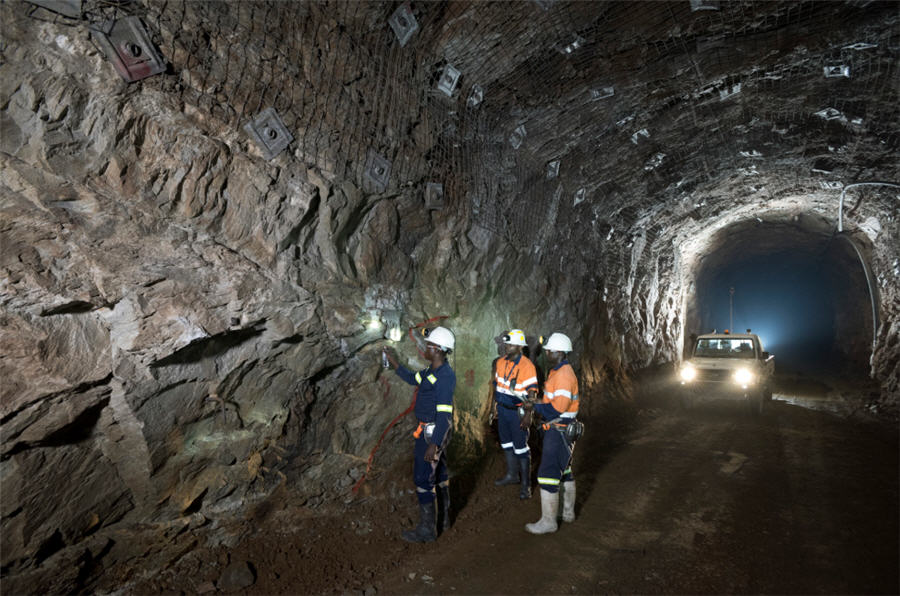
The company confirmed that enhanced health monitoring and worker screening procedures are now being implemented at the Kibali operation, one of Africa’s largest gold mines, after health authorities detected Ebola cases in early May.
According to Congolese officials, the outbreak has already claimed at least 131 lives, although authorities believe the actual toll could be significantly higher as tracing and reporting efforts continue.
While no Ebola cases have been reported at the Kibali mine itself, Barrick said precautionary measures are being expanded to protect employees and contractors operating at the site in Haut-Uele province.

The company stated that all workers and contractors are now required to declare their recent travel history to help identify potential exposure risks, particularly for employees travelling from affected regions.
Barrick also launched awareness campaigns across the mine over the weekend to educate workers about Ebola symptoms, transmission risks and prevention protocols.
Temperature screening procedures were introduced immediately and were expected to be fully operational across the mining complex by May 20.
The outbreak has raised concerns because eastern Congo’s mining regions experience significant labour mobility and cross-border movement linked to mining, trade and transport activities, factors that specialists say complicate disease containment efforts.
Some workers employed at the Kibali mine reportedly originate from Ituri province, increasing the importance of early screening and monitoring measures.
Kibali is jointly owned by Barrick Mining and AngloGold Ashanti, which each hold 45% stakes, while the remaining 10% is owned by Congolese state mining company SOKIMO.
The operation remains one of the continent’s most significant gold assets, producing approximately 673,000 ounces of gold in 2025. Production guidance for 2026 is estimated at between 600,000 and 688,000 ounces.
Previous Ebola outbreaks in Congo and West Africa caused major disruptions to trade, mining operations and investment activity, with epidemics between 2014 and 2020 resulting in thousands of deaths and severe economic losses across affected regions.
The latest outbreak highlights the continued vulnerability of mining operations and supply chains in Central Africa to public health emergencies, particularly in areas with high workforce mobility and limited healthcare infrastructure.
Mining companies operating across the region are increasingly strengthening health surveillance systems and emergency response protocols to reduce operational risks linked to infectious disease outbreaks.
Share this content: