Zijin’s $4 Billion Bid for Allied Gold Faces Regulatory Delays in China
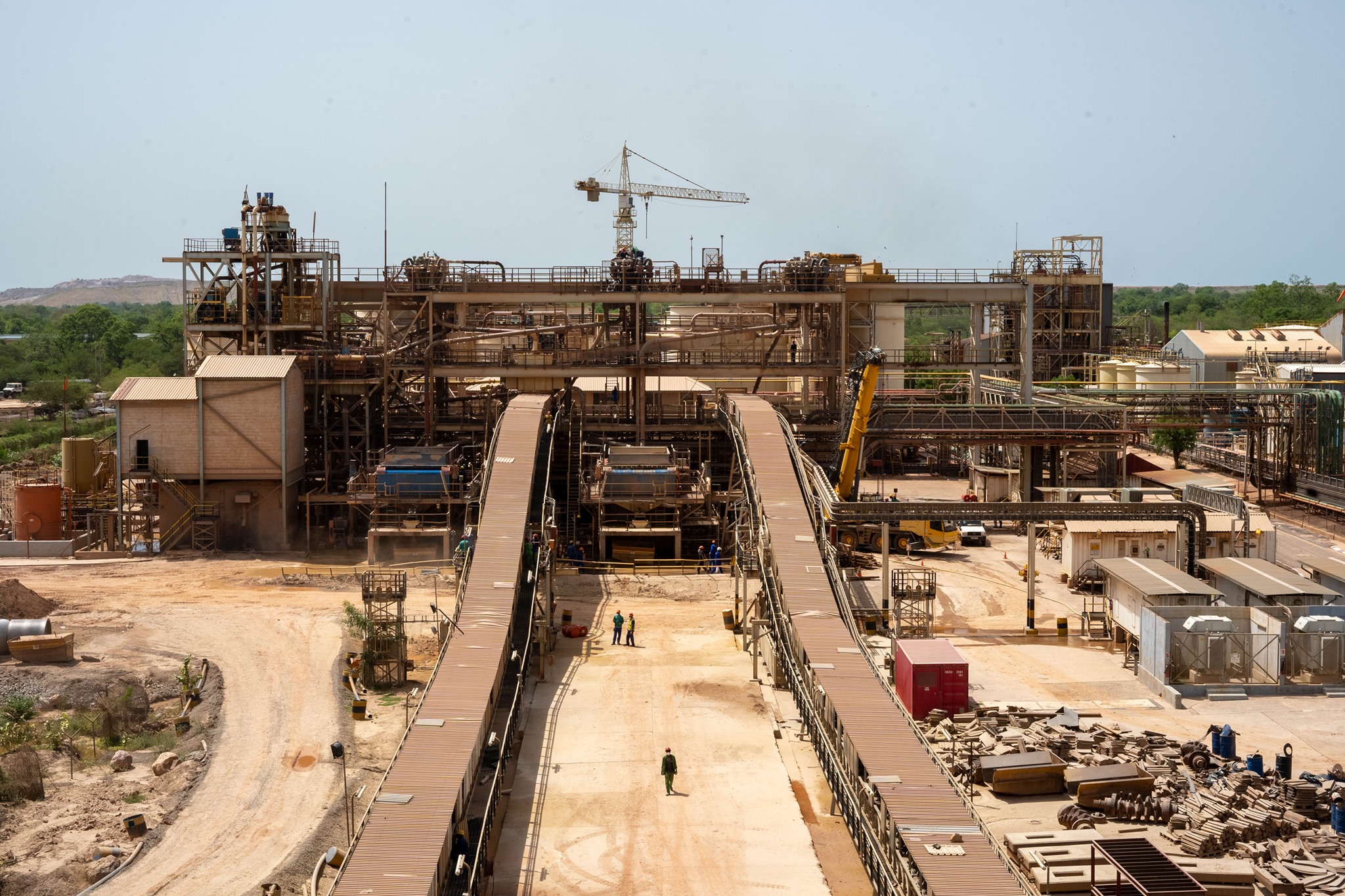
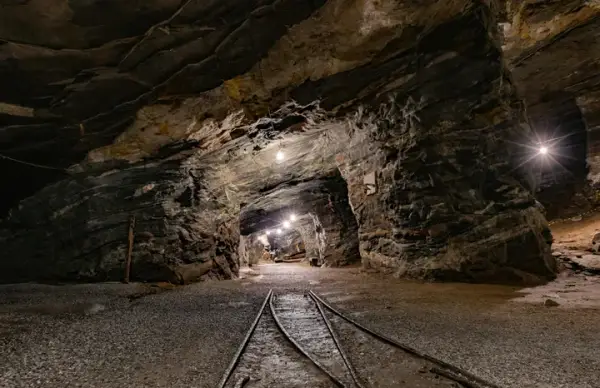
Sadiola mine in Mali. Credit: SEMOS SA via Facebook
China’s push to expand its global mining footprint has encountered a potential setback after reports emerged that regulatory concerns could delay the proposed $4 billion acquisition of Allied Gold.
The transaction, one of the most significant recent investments by a Chinese mining company in Africa’s gold sector, would strengthen China’s access to strategic gold assets across West and East Africa while further expanding the international presence of Chinese mining giant Zijin.

However, according to reports by the Financial Times, Chinese regulators are scrutinising aspects of the deal, raising questions over valuation and geopolitical risk exposure before granting final approval.
A Strategic African Gold Acquisition
The proposed acquisition was announced in December 2025 when Zijin Gold launched a cash offer valued at approximately C$5.5 billion ($4 billion) for Allied Gold.
The bid represented the first major acquisition by Zijin Gold following its high-profile listing in Hong Kong after being spun out from parent company Zijin Mining Group.
If completed, the acquisition would significantly expand Zijin’s African portfolio by adding three important producing and development-stage assets:
- The Sadiola Gold Mine in Mali.
- A large-scale mining complex in Côte d’Ivoire.
- The Kurmuk Gold Project in Ethiopia.
Together, Allied’s producing operations generated nearly 380,000 ounces of gold in 2025, outperforming company expectations. Meanwhile, the Kurmuk project is expected to pour its first gold this year, adding further growth potential to the portfolio.
For Zijin, the acquisition would provide immediate production growth while deepening its presence in some of Africa’s most prospective gold-producing regions.
Regulatory Concerns Emerge
Despite receiving shareholder approval from Allied investors in April, the transaction now faces additional scrutiny from Chinese authorities.
Sources cited by the Financial Times indicate that officials at the National Development and Reform Commission have expressed concerns about both the transaction’s valuation and the operational risks associated with some of Allied’s assets.
One issue reportedly under review is the acquisition premium being paid by Zijin.
Regulators are said to be assessing whether the approximately 5% premium attached to the offer adequately reflects the risks associated with operating in certain jurisdictions.
Particular attention has reportedly focused on Mali, which accounts for roughly half of Allied Gold’s current production.
While Mali remains one of Africa’s most important gold-producing countries, investors have increasingly monitored political and regulatory developments in the country, leading some regulators and financiers to apply higher risk assessments to mining investments operating there.
Market Reaction
News of the regulatory delay triggered a negative reaction from investors.
Shares of Allied Gold fell approximately 6.5% following reports that final approval could take longer than anticipated.
The company currently maintains a market capitalisation of approximately C$4.4 billion on the Toronto Stock Exchange, below the value implied by Zijin’s acquisition offer.
Despite the uncertainty, both companies have emphasised their continued commitment to completing the transaction.
“There is strong industrial and commercial logic for this transaction, and both parties continue to work diligently towards closing,” an Allied Gold spokesperson said.
Timeline Extended
To accommodate the additional regulatory review process, Allied Gold and Zijin have agreed to extend the transactions outside completion date by two months.
The revised deadline now runs until the end of July 2026, providing regulators additional time to complete their assessment.
The extension follows the successful receipt of approvals from Canadian and African regulatory authorities, which Allied described as important milestones in the completion process.
Those approvals suggest that the primary remaining hurdle is securing final clearance from Chinese regulators.
China’s Expanding Interest in African Gold
The proposed acquisition highlights China’s continuing appetite for African mining assets as competition intensifies for access to strategic mineral resources.
While much of the recent focus has centred on critical minerals such as lithium, copper, cobalt, and rare earth elements, gold remains an important component of China’s resource security strategy.
African gold assets are increasingly attractive because of their large resource bases, growth potential, and ability to diversify production geographically.
For Chinese mining companies, acquisitions such as Allied Gold offer immediate access to producing mines, established infrastructure, and future development pipelines.
What Happens Next?
The delay does not necessarily signal opposition to the transaction, but rather reflects the growing scrutiny Chinese authorities are applying to overseas acquisitions involving significant capital commitments and geopolitical exposure.
Should final approval be granted, the deal would rank among the largest recent Chinese acquisitions in Africa’s gold mining sector and further strengthen China’s position within the continent’s resource industry.
For Allied Gold, the outcome will determine whether the company transitions into Chinese ownership or continues pursuing its growth strategy as an independent producer.
For Africa’s mining sector, the transaction serves as another reminder that the continent remains a key battleground for global investment as governments, investors, and multinational companies compete for access to some of the world’s most valuable mineral resources.
Share this content: