South Africa’s Energy Transition Faces Challenge of Hundreds of Unrehabilitated Coal Mines

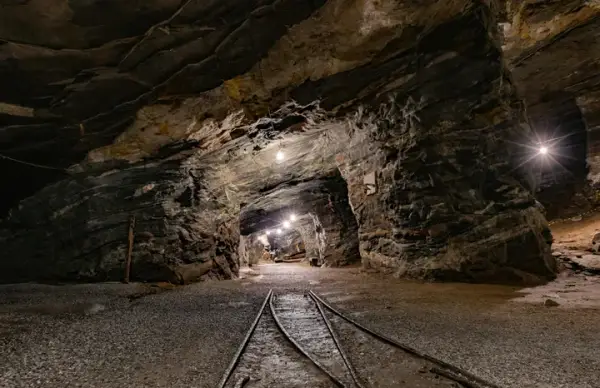
JOHANNESBURG, South Africa – South Africa’s transition away from coal-fired power generation is being complicated by the growing environmental and financial burden of hundreds of abandoned coal mines, according to a new report that highlights significant shortcomings in mine rehabilitation and closure practices.
The report, released by the Centre for Environmental Rights (CER), found that none of the 412 coal mines that ceased operations between 2006 and 2023 had secured sufficient financial provisions to fully rehabilitate damaged land, waterways, and ecosystems.
Environmental advocates warn that abandoned coal mines continue to contaminate water sources, generate acid mine drainage, and leave behind hazardous waste that could affect surrounding communities for decades.

Legacy of Coal Mining
South Africa remains one of the world’s most coal-dependent economies, although renewable energy adoption has steadily reduced coal’s contribution to electricity generation. Coal accounted for just over 74% of the country’s electricity production in 2025, down from much higher levels in previous decades.
The coal-rich province of Mpumalanga, home to more than 100 coal mines and many of the country’s aging power stations, is at the centre of concerns over mine closures and environmental rehabilitation.
According to the CER report, mining companies are legally required to set aside funds for environmental restoration throughout the life of a mine and remain responsible for rehabilitation until closure certificates are issued by regulators. However, many operators have failed to allocate adequate financial resources, leaving significant environmental liabilities unresolved.
Environmental and Community Impact
Experts say abandoned coal mines continue to pose serious environmental risks long after production has ended.
Acid mine drainage, a process caused by the exposure of sulphide-bearing minerals to air and water, can contaminate rivers and groundwater for decades. In addition, abandoned tailings facilities, polluted water bodies, and unstable waste dumps threaten public safety and agricultural land.
Communities in mining regions often bear the consequences of these environmental impacts while receiving few benefits once mining operations cease.
Environmental campaigners argue that weak enforcement of rehabilitation requirements allows some companies to evade responsibility through bankruptcy, liquidation, or abandonment of operations.
Growing Cost to Taxpayers
The report warns that inadequate rehabilitation funding could ultimately leave taxpayers responsible for substantial clean-up costs.
Many mining companies rely on bank or insurance guarantees intended to cover rehabilitation expenses if operators fail to meet their obligations. However, disputes, delays, and insufficient guarantees can leave governments struggling to access the funds required for environmental restoration.
The report also notes gaps in government record-keeping, making it difficult to accurately assess the full scale of abandoned mine liabilities across the country.
Calls for Stronger Oversight
The Centre for Environmental Rights is calling for greater transparency and stronger regulatory enforcement to ensure mining companies remain accountable for environmental damage.
Among its recommendations is the creation of a publicly accessible database detailing mine locations, projected closure dates, rehabilitation funds, and progress on closure plans.
The organisation also advocates stricter approval processes for mine closures, arguing that closure certificates should only be granted after independent verification confirms that environmental, water, and public safety risks have been properly addressed.
In addition, the report emphasises the importance of integrating economic transition planning into mine closure strategies to prevent former mining communities from being left without employment opportunities or sustainable development prospects.
Balancing Energy Transition and Environmental Responsibility
As South Africa accelerates its shift toward renewable energy and reduced dependence on coal, stakeholders argue that managing the legacy of historic mining operations will be critical to achieving a just and sustainable energy transition.
Environmental groups maintain that stronger enforcement, improved rehabilitation funding mechanisms, and greater community participation in closure planning are essential to prevent abandoned mines from becoming long-term environmental and social liabilities.
With thousands of derelict and abandoned mines already scattered across South Africa, the report concludes that mine rehabilitation must become a central component of the country’s broader energy transition strategy.
Share this content: