Investor Confidence Returns to Zambia as Mining, Energy and Agriculture Attract Fresh Capital
Investor appetite for Zambia is strengthening following the country’s emergence from sovereign default, with the mining, energy and agriculture sectors attracting growing interest as fiscal stability improves.
According to Citi Zambia Chief Executive and Banking Head Lowani Chibesakunda, the government’s economic reforms and fiscal consolidation have helped restore investor confidence and broaden interest across key sectors of the economy.
“We have noted increased interest, especially when we have seen significant strides being made in terms of bringing stability to the Zambian economy,” Chibesakunda said in an interview with Reuters.

“We have noted key interests in mining, in energy, as well as in agriculture.”
Mining remains the primary investment driver
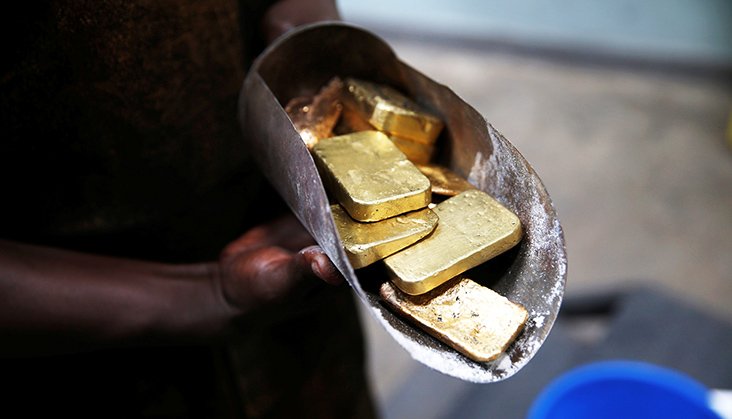
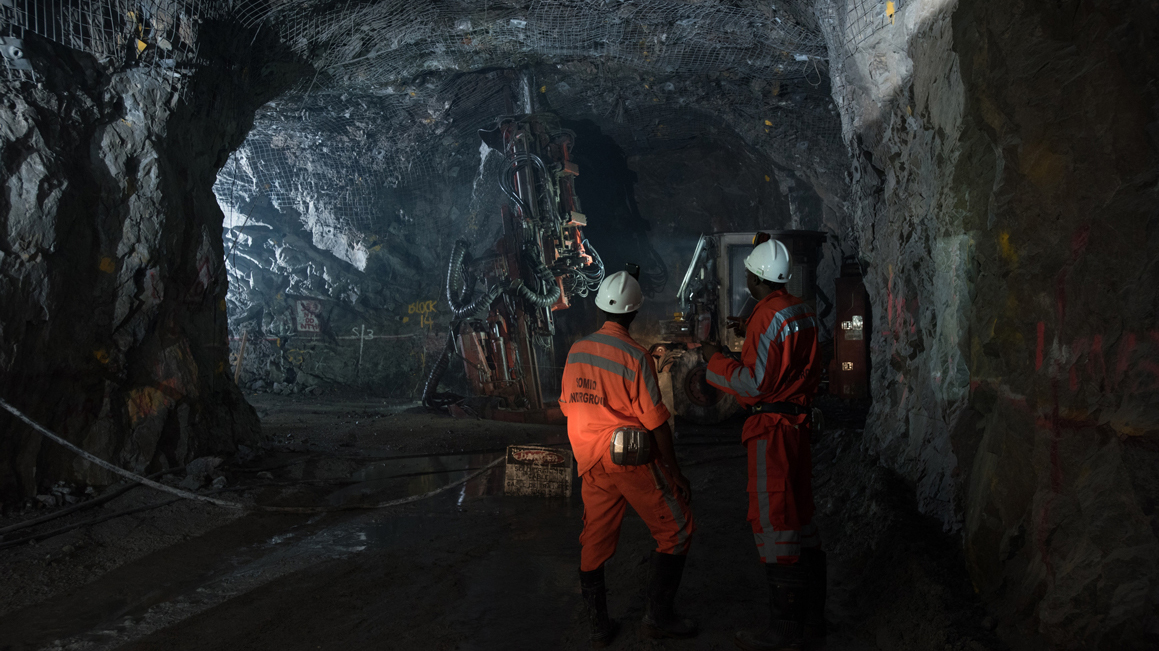
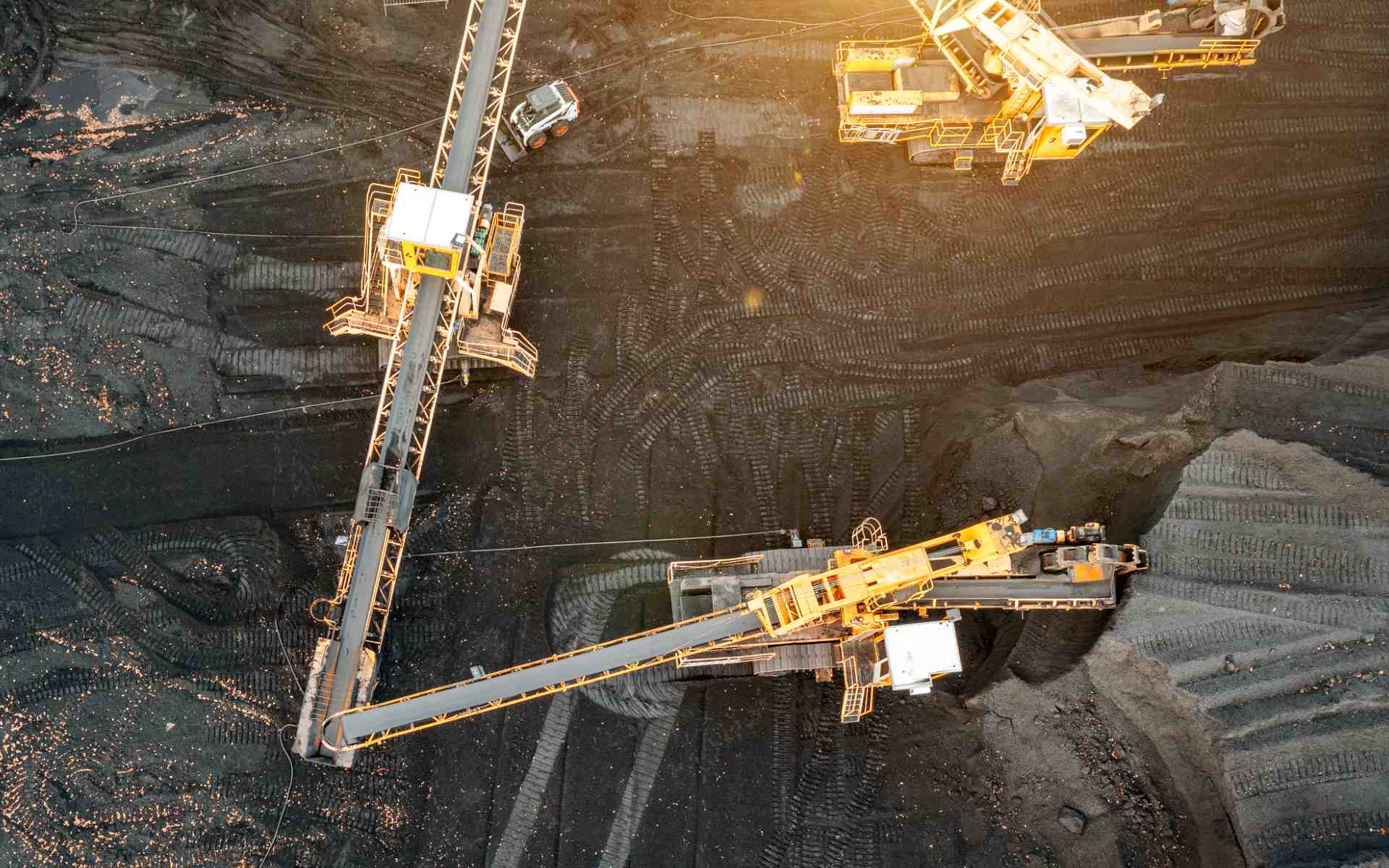
Zambia’s mining sector continues to lead investment activity, supported by strong global demand for copper, a critical mineral used in electric vehicles, renewable energy technologies and expanding artificial intelligence (AI) data centres.
“You cannot talk about the Zambian story without emphasising the importance of mining and seeing how copper prices have remained bullish,” Chibesakunda said.
“The focus that is there now on copper-related products, be it electric vehicles, et cetera, is really driving a lot of growth in that sector.”
The government is targeting annual copper production of three million tonnes by 2031 as it seeks to strengthen its position as one of the world’s leading copper producers.
Debt restructuring boosts confidence
The renewed investor interest follows significant progress in Zambia’s debt restructuring programme.
The government recently secured 97.85% participation in a cash tender offer for its US$1.365 billion in outstanding international notes, part of a broader strategy to improve debt sustainability and reduce long-term obligations. Citi acted as the sole mandated bank to structure and execute the transaction.
In November 2025, S&P Global Ratings upgraded Zambia’s long- and short-term foreign currency credit ratings from Selective Default (SD) to CCC+/C with a stable outlook, formally recognising the country’s exit from default after years of debt restructuring.
The government’s 2026 fiscal projections also point to improving economic fundamentals, with the budget deficit expected to more than halve while economic growth is forecast to exceed 6%.
New investors entering the market
Chibesakunda said Zambia is also attracting new categories of international investors, including companies entering sectors where they have not previously operated in the country.
“We have seen increased interest from players coming through from the Middle East,” she said, highlighting growing activity in the pharmaceutical and technology sectors alongside mining.
She added that some investors are entering Zambia’s mining industry for the first time, reflecting increasing confidence in the country’s long-term growth prospects.
The improving investment climate is reflected in official figures. According to United Nations trade data, Zambia attracted US$1.24 billion in foreign direct investment during 2024, the country’s highest annual inflow since 2015.
With improving macroeconomic stability, rising investor confidence and continued demand for critical minerals, Zambia is positioning itself as an increasingly attractive destination for investment across mining, energy, agriculture and emerging industries.
Share this content: