AI And Clean Energy Drive Demand, But Fewer Than 10% Of Africa’s Mining Projects Advance
As global demand for critical minerals accelerates, Africa is emerging as one of the world’s most strategically important mining regions. Driven by rapid growth in artificial intelligence (AI), renewable energy, electric vehicles and advanced manufacturing, demand for minerals such as copper, cobalt, lithium, manganese and graphite continues to rise.
Despite holding more than a quarter of the world’s known critical mineral reserves, fewer than 10% of Africa’s mining projects have secured financing or progressed beyond the feasibility stage, according to a new McKinsey report.
The consultancy warns that unless infrastructure, financing and regulatory constraints are addressed, Africa risks missing one of the largest mining investment opportunities in decades.

Critical Minerals In High Demand
Demand for minerals supporting the global energy transition is projected to grow by an average of 4.5% annually through 2035 as governments and industries invest heavily in AI infrastructure, electric vehicles, renewable energy and defence technologies.
At the same time, geopolitical tensions and supply chain diversification are encouraging countries to reduce dependence on traditional suppliers, placing Africa at the centre of global competition for critical minerals.
The continent holds more than 60% of global reserves of platinum group metals, cobalt, chromium and tantalum, alongside approximately 37% of manganese reserves, 25% of graphite reserves and around 10% of global copper reserves.
Investment Lags Behind Resource Potential
Despite its rich geology, Africa continues to attract relatively limited exploration investment.
According to McKinsey, the continent receives approximately $1.2 billion annually in exploration spending—roughly half the investment levels recorded in Australia or Canada.
Much of the available capital is concentrated in a small number of large-scale projects capable of absorbing political and operational risks, leaving many commercially viable deposits undeveloped.
Infrastructure And Financing Remain Major Barriers
The report argues that geology is no longer the primary obstacle to mining development. Instead, investors remain cautious because of broader structural challenges surrounding project execution.
Many proposed mines continue to face inadequate rail and port infrastructure, unreliable electricity supplies, permitting delays, regulatory uncertainty, community disputes and high financing costs.
These factors increase development expenses, extend project timelines and reduce overall investment attractiveness.
McKinsey highlights projects including Guinea’s Simandou iron ore development, South Africa’s Kalagadi manganese mine and Tanzania’s Mahenge and Nachu graphite projects as examples where infrastructure, regulatory or financing challenges delayed progress.
Regional Mining Clusters Could Unlock Billions
Despite these obstacles, McKinsey estimates Africa could unlock up to $40 billion in additional mining value through targeted reforms.
The report recommends developing regional mining clusters where neighbouring operations share infrastructure such as railways, ports, power generation and mineral processing facilities instead of developing independent systems.
According to the consultancy, four critical mineral clusters in Southern Africa alone could generate between $15 billion and $20 billion in additional revenue while supporting approximately 1.85 million jobs.
Iron ore and bauxite clusters across Guinea, Liberia and Sierra Leone could contribute a further $17 billion and create around 1.3 million jobs.
Overall, the proposed reforms could increase Africa’s GDP by approximately 4% while creating more than three million jobs by 2035.
Artificial Intelligence Could Improve Mining Productivity
Artificial intelligence is also expected to play an increasingly important role across the mining value chain.
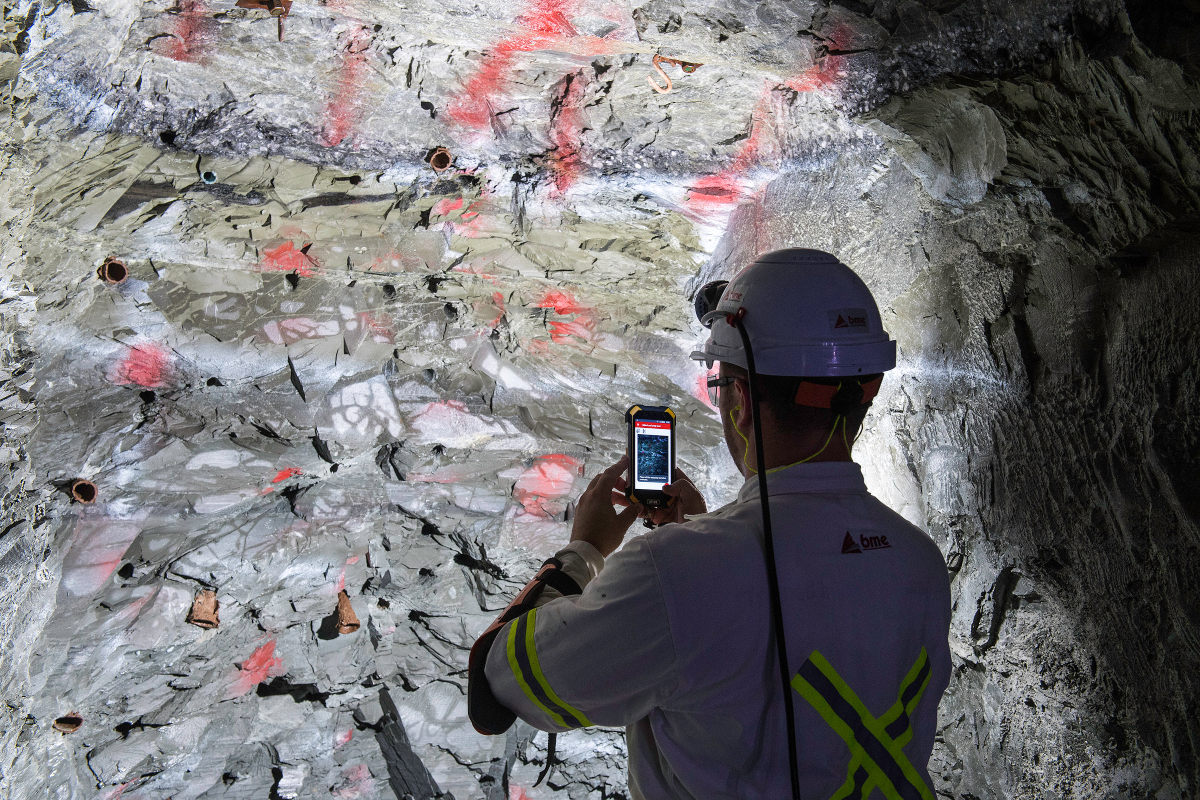
McKinsey says AI applications can improve geological exploration, increase drilling success rates, optimise mine planning, automate equipment and enable predictive maintenance, reducing operating costs while improving productivity.
The consultancy estimates that widespread adoption of generative AI could add between $5.3 billion and $8.5 billion in economic value to Africa’s mining industry.
Building Competitive Mining Ecosystems
McKinsey concludes that future success in the global critical minerals race will depend on more than simply owning valuable mineral deposits.
Countries that combine reliable infrastructure, efficient project development, supportive policies, modern technologies and integrated mining ecosystems will be best positioned to attract investment and capture greater value from their natural resources.
For Africa, the continent’s vast mineral wealth presents a significant competitive advantage, but turning that potential into producing mines will require coordinated action by governments, investors and industry to overcome longstanding structural barriers.
Share this content: