Ghana’s Artisanal Gold Production Set to Surpass 2025 Record in 2026

Ghana is on course to achieve another record year in artisanal and small-scale gold production, reinforcing the country’s position as Africa’s leading gold producer and strengthening export earnings despite softer global gold prices.
Ghana’s Gold Board (GoldBod) says artisanal and small-scale mining (ASM) production is likely to equal or exceed the record output achieved in 2025, reflecting the success of government reforms aimed at formalising the sector, reducing gold smuggling and increasing export revenues.
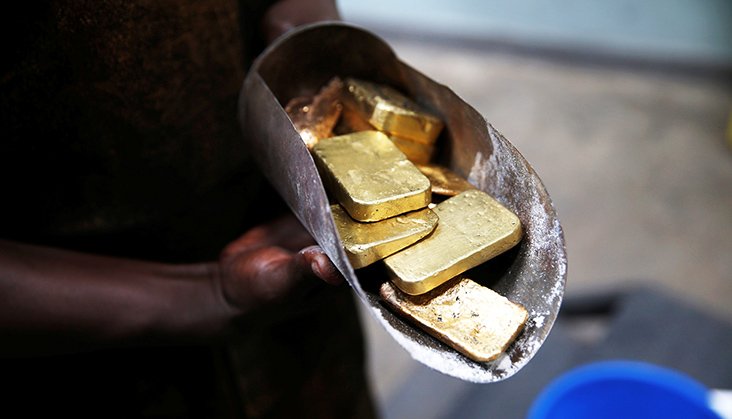
According to GoldBod Chief Executive Officer Samuel Gyamfi, the state agency purchased between 50 and 54 metric tonnes of gold from artisanal miners during the first half of 2026, putting the country on track for another record-breaking year.

Artisanal Mining Drives Gold Exports
Artisanal and small-scale mining has become the dominant force in Ghana’s gold industry after overtaking large-scale mining production in 2025 for the first time.
Last year, the ASM sector produced a record 104 metric tonnes of gold, driven by policy reforms that improved gold marketing, strengthened regulatory oversight and curbed illicit trade.
The continued growth of artisanal production is expected to reinforce Ghana’s position as Africa’s largest gold producer while supporting export growth and foreign exchange inflows.
Gold Sector Strengthens Foreign Exchange Earnings
Gold remains Ghana’s largest export commodity and one of the country’s most important sources of foreign exchange.
According to GoldBod, the artisanal mining sector generated approximately US$11 billion in foreign exchange earnings in 2025, surpassing the US$9 billion generated by large-scale mining companies.
The sector has played a key role in supporting Ghana’s economic recovery following recent fiscal challenges by strengthening export revenues and improving foreign currency liquidity.
Gold Prices Remain Supportive
Although international gold prices have softened from recent highs, GoldBod expects export earnings in 2026 to remain above last year’s levels.
The agency had based its projections on an average gold price of approximately US$5,000 per ounce and weekly purchases of around 2.5 metric tonnes.
While prices have fallen below initial expectations, average bullion prices remain higher than those recorded in 2025, supporting continued growth in export revenues.
Formalising Artisanal Mining
Ghana’s government has intensified efforts to formalise artisanal and small-scale mining through regulatory reforms designed to improve transparency, reduce illegal gold exports and maximise national economic benefits.
The reforms have strengthened official gold purchases while encouraging miners to participate in regulated marketing channels.
Industry observers say continued investment in formalisation, traceability and responsible mining practices will be critical to sustaining long-term growth in the sector.
Gold Remains Central to Ghana’s Export Economy
The strong performance of Ghana’s artisanal gold industry highlights the increasing economic importance of small-scale mining in Africa’s mineral value chains.
As global demand for gold remains resilient, continued growth in formal artisanal production is expected to strengthen Ghana’s export performance, increase foreign exchange earnings and support broader economic development.
For Africa, Ghana’s experience demonstrates how targeted policy reforms can transform artisanal mining into a more organised, transparent and economically productive sector while improving government revenues and boosting investor confidence.
Share this content: