Ariana Resources Targets First Gold Production at Zimbabwe’s Dokwe Project by 2028
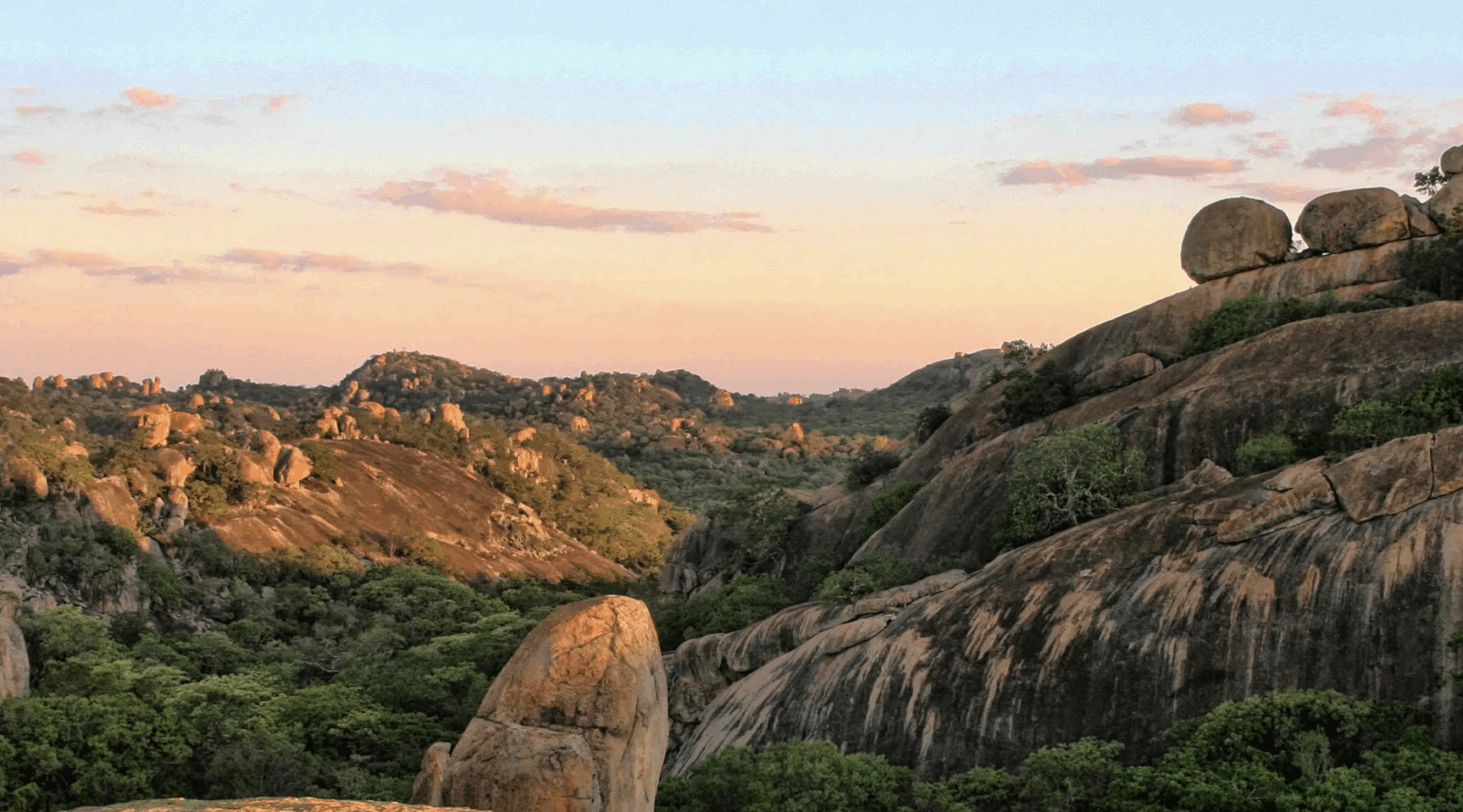
ZIMBABWE – Ariana Resources is aiming to begin gold production at its Dokwe Gold Project in Zimbabwe by 2028, marking what would become the country’s first major greenfield gold mine development in decades as investor interest gradually returns to the Southern African nation.
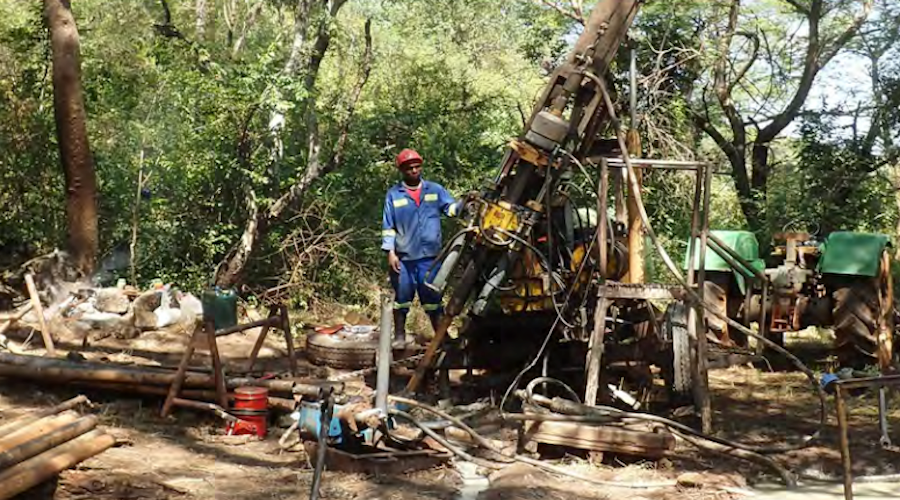
The London-listed exploration and development company expects to complete a definitive feasibility study during the first quarter of 2027, paving the way for construction and eventual production at the Dokwe project, located approximately 110 kilometres northwest of Bulawayo.
Managing Director Kerim Sener said the company remains on track to deliver first gold in 2028, subject to the successful completion of development milestones.

“With a fair wind, I’d like to think that we’re pouring our first gold in 2028,” Sener said.
Dokwe is regarded as Zimbabwe’s largest undeveloped gold deposit and one of the few significant greenfield mining projects to advance in the country after decades of limited large-scale investment.
Zimbabwe has a long-established gold mining industry but experienced a sharp decline in foreign investment during the political and economic challenges of the early 2000s, prompting major international mining companies including Rio Tinto, Delta Gold and Kinross to exit the country.
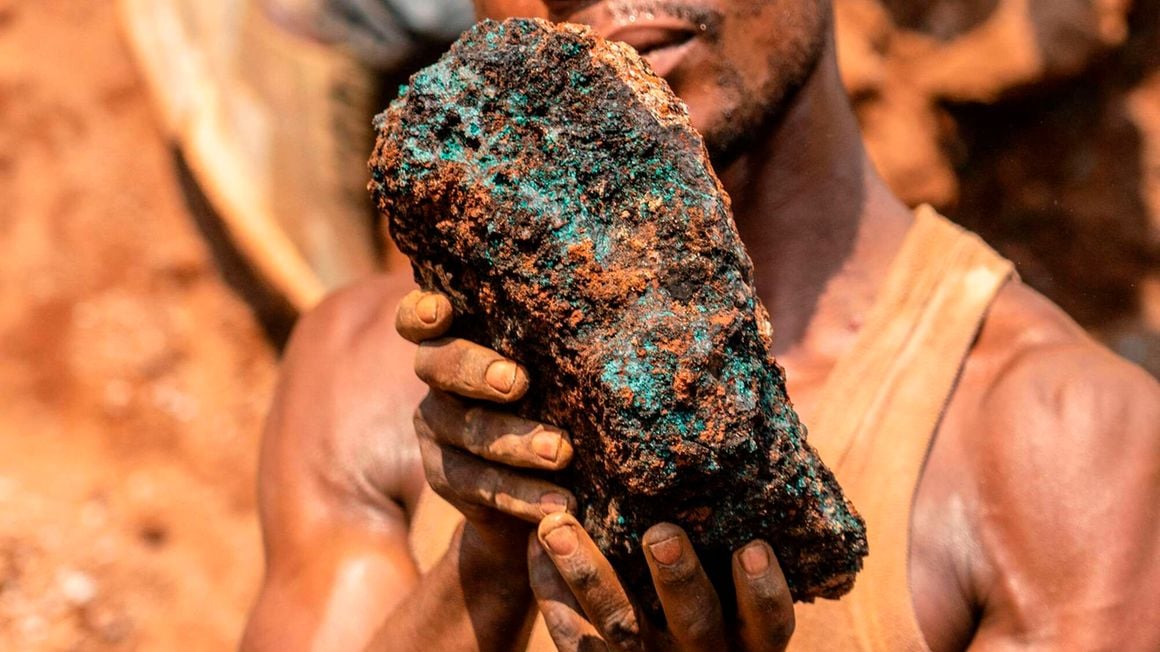
Despite those setbacks, Zimbabwe’s gold sector has staged a steady recovery. National gold production increased to 46.7 tonnes in 2025, compared with just 3 tonnes in 2008, driven largely by the expansion of existing operations and increased activity among small-scale miners.
Today, the country’s leading gold producers include Caledonia Mining Corporation, Namib Minerals, Mutapa Gold Resources, and a subsidiary of locally owned Padenga Holdings.
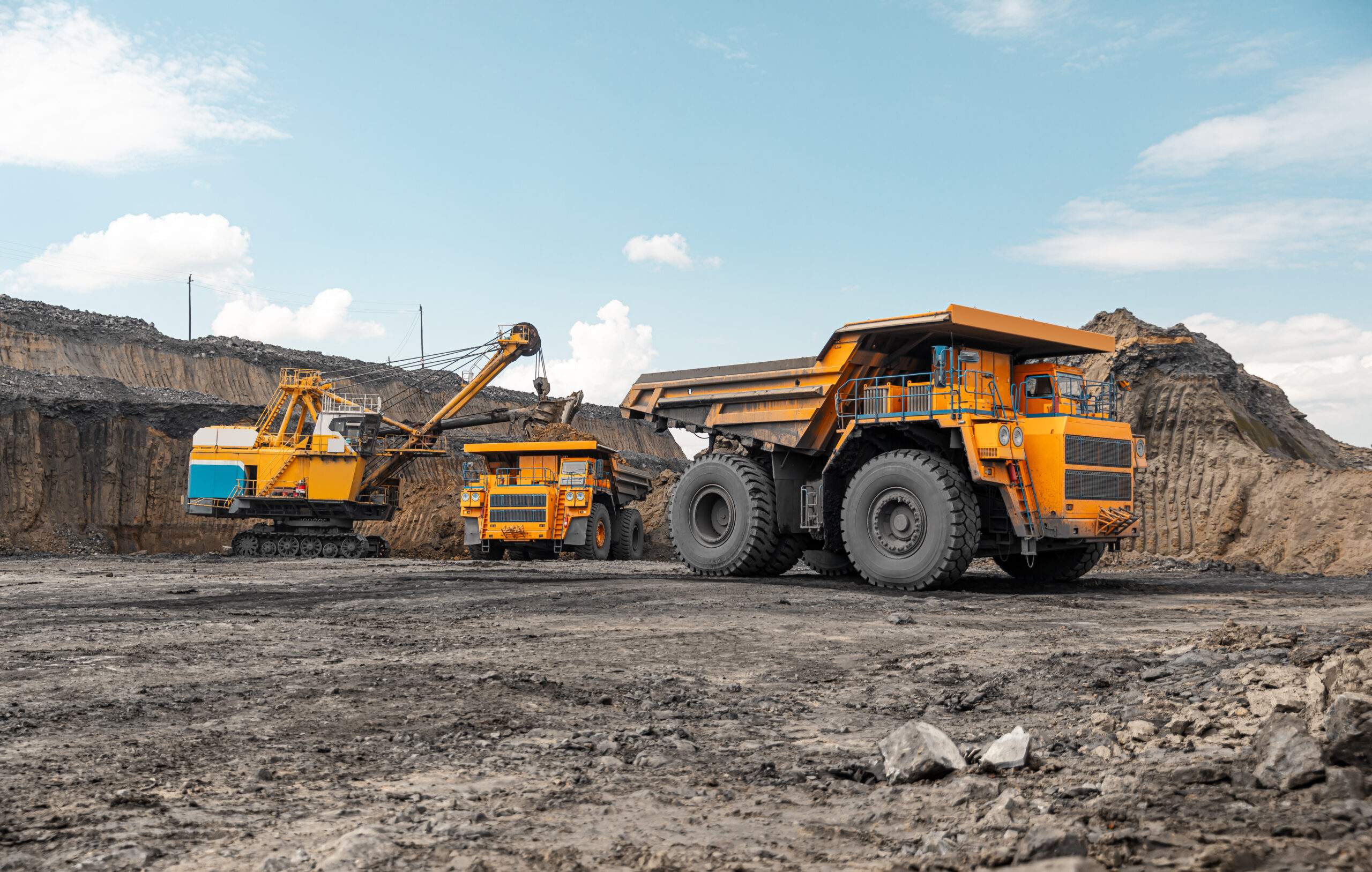
According to the project’s pre-feasibility study, Dokwe hosts 1.13 million ounces of gold reserves, supporting an open-pit operation with projected peak production of approximately 100,000 ounces of gold annually over an estimated 20-year mine life.
Sener said Ariana chose to pursue Dokwe because of both the size of the deposit and its favourable metallurgical characteristics.
“Dokwe represented an opportunity to tackle what is the largest undeveloped gold deposit in Zimbabwe at the present time,” he said.
He added that much of the gold is suitable for gravity recovery, offering a relatively straightforward processing route that could enhance project economics.
Rather than following the industry’s common strategy of acquiring or expanding brownfield operations, Ariana opted to develop a new large-scale mine from the ground up, reflecting growing confidence in Zimbabwe’s long-term mining potential.
Sener also noted that foreign investor sentiment toward Zimbabwe has gradually improved under the administration of President Emmerson Mnangagwa, who assumed office in 2017 following the departure of former President Robert Mugabe.
The advancement of the Dokwe project comes as Zimbabwe continues to position mining as a key driver of economic growth, with increasing investment across gold, lithium, platinum and other strategic mineral sectors. If successfully developed, Dokwe could become one of Zimbabwe’s most significant new gold mines and further strengthen the country’s position as one of Africa’s leading gold producers.
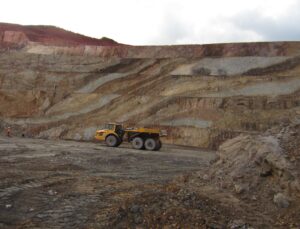
(Image courtesy of Ariana Resources.)
Share this content: